Introduction
Artificial Intelligence (AI) is now one of the most revolutionary technologies in the technology sector that has affected most areas of life and transformed industries. The fact that AI can replicate human thinking, learn under enormous volumes of data, and make independent choices is transforming the discipline of computer science. By automating mundane functions to offer information in the making of intricate decisions, AI is significantly transforming the manner in which businesses are conducted and with which people relate with technology. The paper is a discussion of the fundamentals of AI, how it is used in different sectors and the future implications of this fast developing technology.
The Knowledge of Artificial Intelligence
What is Artificial Intelligence?
Artificial Intelligence is the concept of creating computer systems that are capable of doing tasks that are traditionally performed by human intelligence. These activities are problem solving, decision making, language comprehension and pattern recognition. Algorithms drive AI to learn new information, adapt to it, and make decisions independently of human intervention. Although AI might appear as a futuristic idea, it has already permeated our everyday experience, both in voice assistants such as Siri and in recommendation systems on streaming platforms such as Netflix.
Major Principles of Artificial Intelligence
Machine Learning (ML)
Machine learning is a branch of AI, in which a computer is trained to learn patterns based on the data it is fed on, and it is also improved as it learns through experience. It is the core of numerous AI-based applications, which predict customer behavior, or identify fraud in financial transactions.
Deep Learning
Deep learning is an enhanced type of machine learning that analyzes data with neural networks that have numerous layers (this is why it is referred to as deep). Image and speech recognition are some of the tasks where deep learning models would be particularly important.
Natural Language Processing (NLP)
Computers have used Natural Language Processing to comprehend and react to human language. Applications like virtual assistants, language translation tools, and sentiment analysis all use it, and it is one of the most popular AI technologies in consumer-facing applications.
AI in the Contemporary Computing
Automation in Industries
Automation is one of the greatest effects of AI in contemporary computing. The AI technologies can now with high efficiency be used to carry out repetitive and time-consuming tasks. This has helped the industries such as manufacturing, logistics and healthcare, significantly.
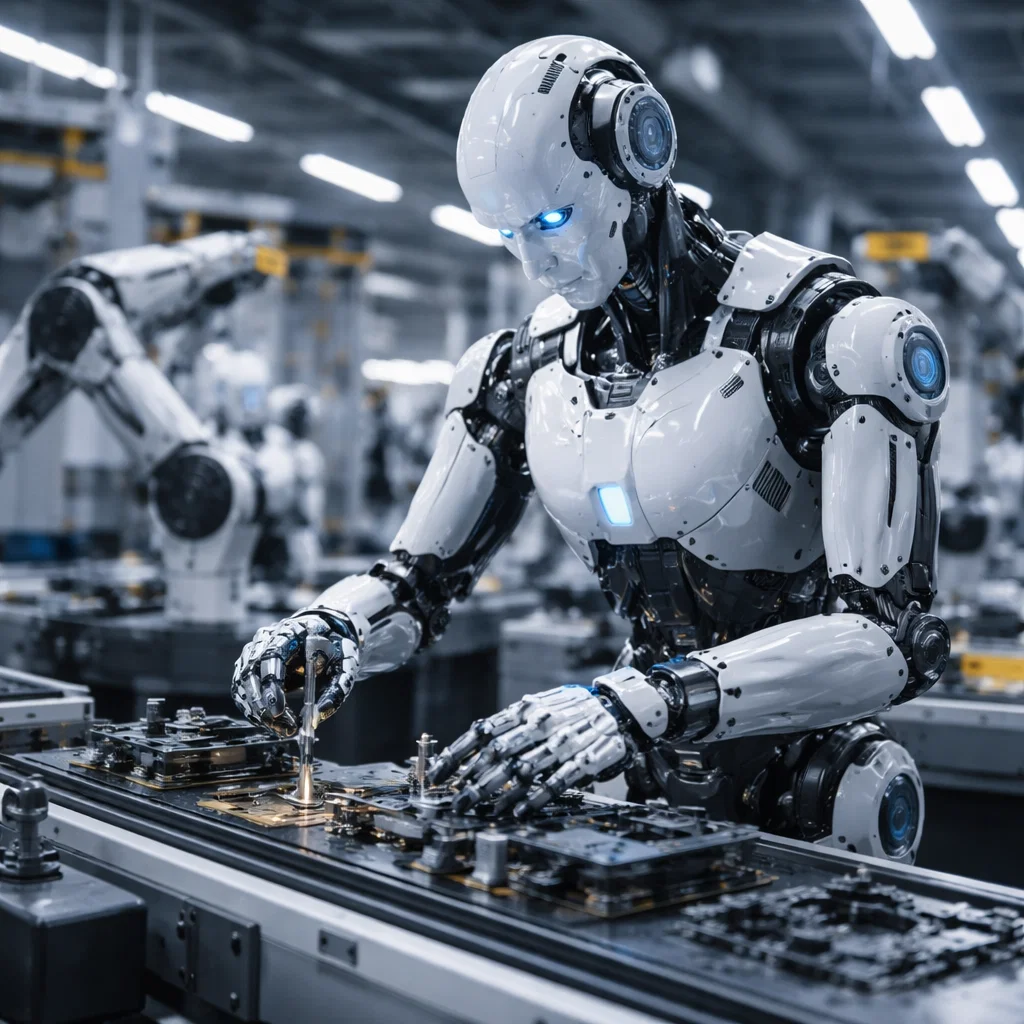
Robots that operate on AI can be utilized in manufacturing to assemble products, identify faults, and handle inventory on their own. At the logistics level, AI has been used to streamline supply chains, track deliveries in real-time, and determine delivery times to the latter. In the case of healthcare, AI is improving the accuracy of diagnosis, finding possible health concerns in medical images, and even helping in treatment planning.
Recommendation Systems
The most apparent AI use that consumers come across every day is perhaps recommendation systems. The systems of Amazon, YouTube, and Spotify are based on AI to suggest the products, videos, and music according to the previous behavior, preferences, and tendencies. They are very effective in personalized marketing because the algorithms running in these systems analyze large volumes of data to come up with what a user may be interested in.
As an example, Netflix has a recommendation system which examines the history of watching movies and compares it with other users and recommends movies or TV shows that the user is likely to enjoy. In the same way, Spotify applies AI to make customizable playlists in accordance with the listening preferences of a user.
Intelligent Decision-Making
The decision-making in business and finance is also being revolutionized by AI. Finance AI-powered algorithms can be applied to high-frequency trading decisions, forecasting market trends, and risk assessment of investment portfolios. AI in business is used to make strategic decisions, including marketing campaigns and product development, using massive amounts of data.
Smart decision-making applies to such spheres as customer support, where AI chatbots are capable of responding to a broad spectrum of questions and addressing problems as well as escalating complex situations to human operators when necessary. This will enable businesses to offer 24/7 service besides reducing the cost of operation.
AI within the Cloud and Edge Computing
With the further development of AI, the application of AI and cloud computing and edge computing are generating new opportunities. Cloud computing offers immense processing ability and storage that is perfect in executing AI algorithms that demand enormous data sets. Artificial intelligence models are being trained in the cloud, which allows businesses to use the latest technologies without engaging in specific infrastructure.
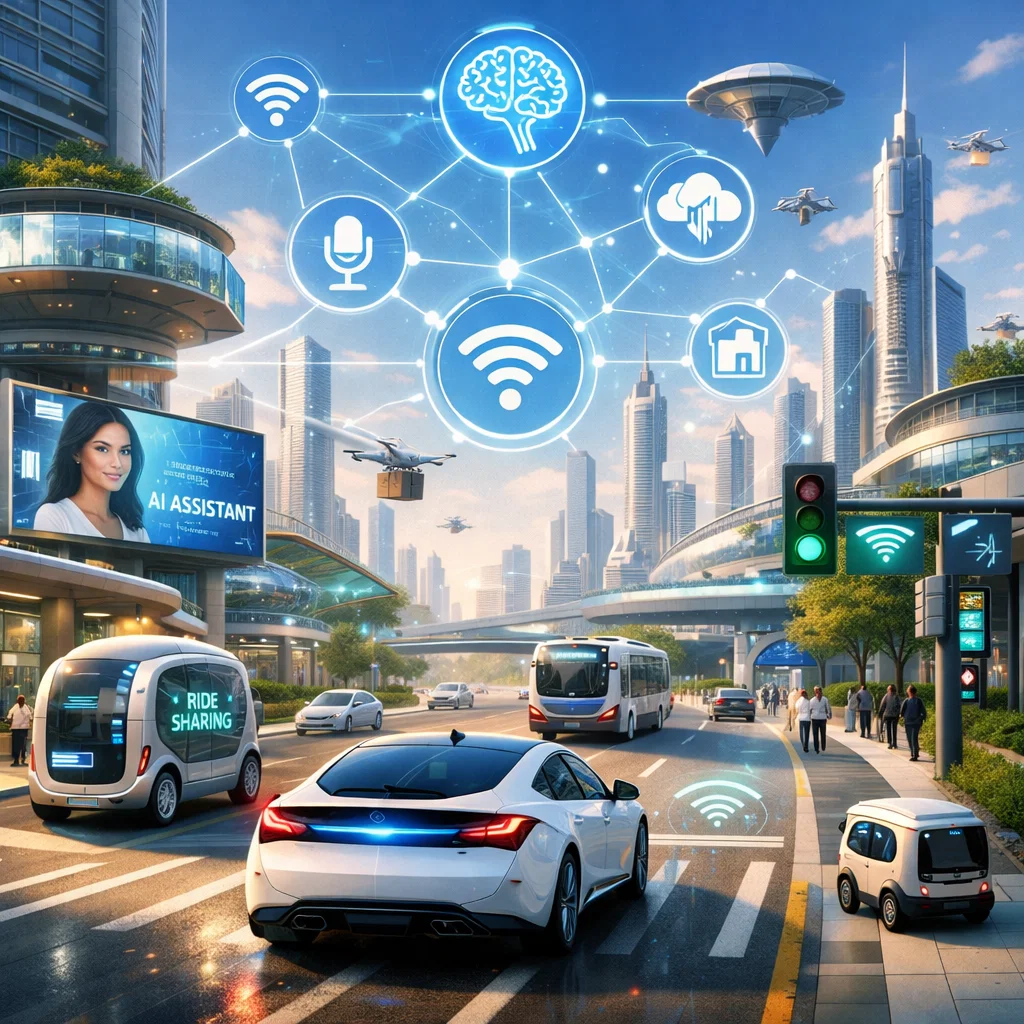
Edge computing, however, keeps AI processing nearer to the location of the data generation, e.g., on IoT devices like smartphones, smart cameras, and autonomous vehicles. This can be used to make decisions faster and the latency is minimized which is essential in real-time applications such as self-driving cars.
The Dividends of Artificial Intelligence
Efficiency and Productivity
AI can help organizations to optimize their processes, perform repetitive duties automatically, and take evidence-based decisions quicker than ever. AI improves productiveness in areas such as customer service, manufacturing, and finance by automating processes normally performed by human beings.
Cost Reduction
AI has the ability to reduce the cost of operations by automating procedures and enhancing their efficiency. As an illustration, chatbots and virtual assistants powered by AI may handle the communication of the customers, which will enable the companies to save money on hiring more support personnel. Equally, AI-based optimization systems within the logistics department can save on the cost of transportation and enhance the delivery pathways.
Increased Customer Experience
The AI systems are changing the interactions of businesses with their clients. Individualized experiences (e.g., custom product suggestions, personal marketing, or responsive chatbots) assist businesses to establish better relationships with clients and enhance their satisfaction.
Challenges and Concerns
Ethical Concerns
AI has ethical concerns, even with all the benefits it has. Due to the development of AI, the topic of job displacement, privacy, and bias in AI algorithms are becoming more and more significant. As an example, improperly trained or tested AI systems may strengthen biases, resulting in unjust results, including biased hiring decisions or discriminatory lending decisions.
Also, jobs, particularly in manufacturing and retail, have been automated and this has raised the concern of job losses and reskilling of the workforce. The question of whether to be more pragmatic with technological advancements and maintain employment rates and fairness in the AI systems is the subject of an open debate.
Security Risks
Cyberattacks can also target AI. Non-beneficial parties can use AI systems to perpetrate fraud, misinformation, or even to attack vital infrastructure. Security of AI models and their resilience to adversarial attacks is a research topic.
Artificial Intelligence in the Future
Artificial intelligence is constantly developing and there are no limits to its use. With the advancement in technology, AI can even further exert a greater effect on the field of healthcare, education, and transportation. Robots, intelligent learning, and medical research through AI are only some of the numerous innovations that are coming our way.
Responsible development and regulation are the key to the successful future of AI. With the possibilities of AI revolutionizing society, governments, businesses, and learning institutions will need to come together to develop a set of ethical standards and guidelines to be followed in the application of this mighty technology.
Conclusion
Artificial Intelligence is no longer an outlook of the future, and it is a world of change which is transforming modern computing. The automation of work and better decision-making, as well as the enrichment of customer experiences and the introduction of innovative technologies, AI has an enormous influence in any industry. With further development of AI, its impact can only increase, providing new opportunities and challenges to technology, business, and society.
As we proceed to embed AI into our lives, it is crucial to learn what AI can do, the advantages, and the moral aspects of the issue to be able to distinguish the future of technology. The sphere of AI is just beginning, and its opportunities are endless.