Picture an educator staring at a permission slip with a familiar tension in the air. The goal is a school trip, but the ambition is much bigger.
How do you create an experience that does more than move students from one tourist stop to another? How do you connect classroom lessons on marine biology, culture, history, language, or conservation to the living world in a way students actually remember?
That question sits at the heart of modern educational travel. Students are not only looking for adventure, and parents are not only looking for a safe itinerary. Schools want experiences that help young people grow into thoughtful, capable, service-minded citizens.
For over two decades, Florida-based Appleseed Expeditions has helped schools and student groups create those experiences through educational trips built around service, learning, and real-world engagement.
Why Educational Travel Is Becoming More Meaningful for Students
The demand for educational travel has grown because families and schools are asking more from student experiences. A trip can still be exciting, but excitement alone is not enough when the goal is student growth.
According to Grand View Research, the global educational tourism market was valued at approximately $459.76 billion in 2024 and is projected to reach $974.73 billion by 2030. The WYSE Travel Confederation reports that youth and student travel accounts for 23% of international arrivals, showing how large this part of the travel industry has become.
Those numbers point to a larger shift in how people think about travel. For students, a meaningful trip can support confidence, cultural awareness, teamwork, and a stronger understanding of the world beyond their own community.
That is where Appleseed Expeditions builds its identity. The company is not positioned around passive sightseeing. Its work centers on student travel that connects education with service, purpose, and direct experience.
What Service-Learning Adds to a Student Trip
Service-learning is different from ordinary travel because it gives students a role to play. They are not only observing a place. They are asked to participate, contribute, and reflect on what their participation means.
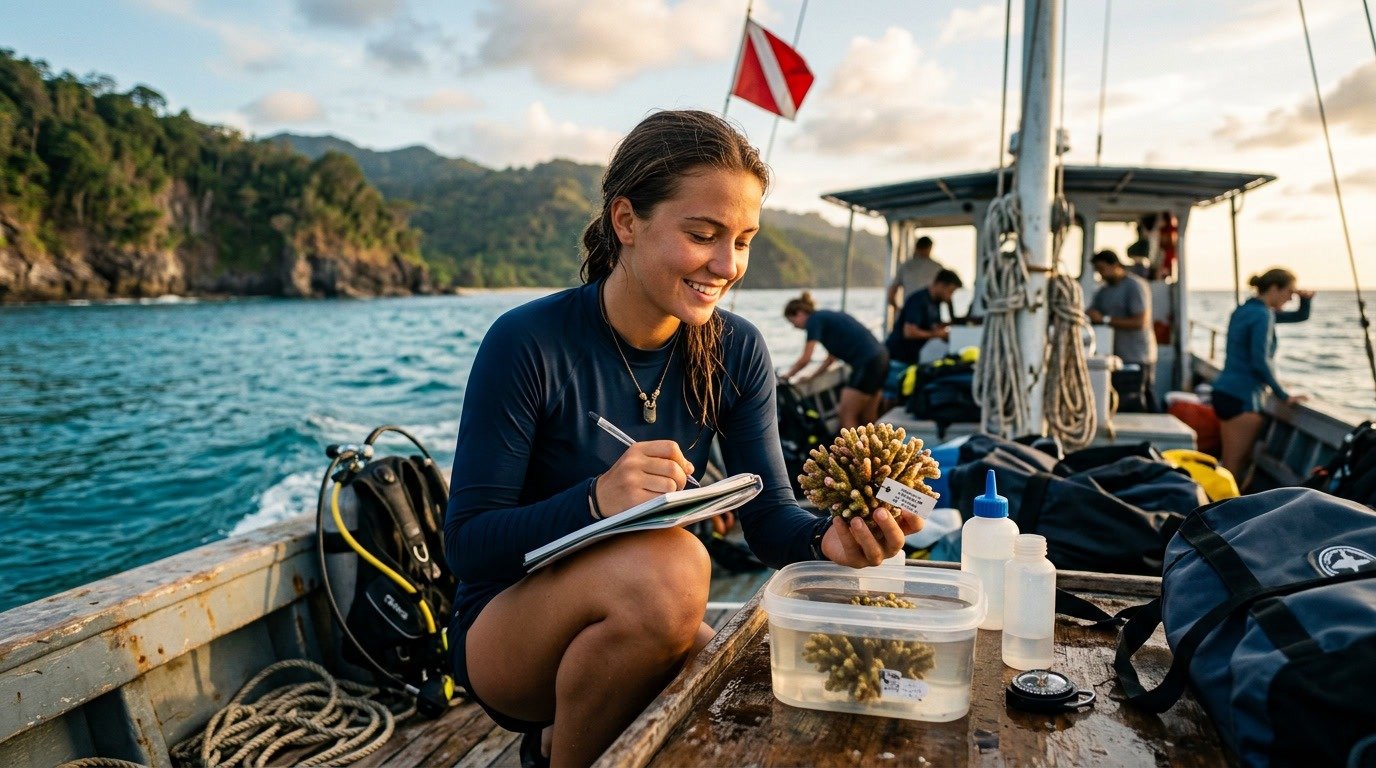
A student studying marine science, for example, may understand an ecosystem differently after seeing coastal environments up close. A student learning about history or culture may gain a deeper perspective when local communities, lived experience, and service projects become part of the lesson.
Appleseed Expeditions uses this service-learning approach as a core part of its trip design. Its mission, “Educational Trips That Inspire a Passion to Serve,” gives the brand a clear purpose that goes beyond sending students somewhere new.
For students, that purpose can shape the entire experience. They can practice leadership, learn how to work with others, and see how academic knowledge connects to real human and environmental needs.
How Appleseed Expeditions Builds Global Changemakers
The phrase “global changemaker” can sound lofty if the trip behind it is vague. With Appleseed Expeditions, the idea becomes more practical because the company connects student growth to structured travel experiences.
Students may travel to destinations such as Costa Rica, the Dominican Republic, Europe, the Navajo Nation, or the Florida Keys. Depending on the program, the focus may include marine science, earth science, wildlife, language, culture, music, history, or alternative breaks.
That range helps because different students connect with different kinds of purpose. One student may come alive during environmental fieldwork, whilst another may be changed by cultural immersion or community service.
Appleseed Expeditions gives educators room to build trips around those learning goals. Rather than forcing every group into the same fixed itinerary, the company works with educators to shape programs around the students, the curriculum, and the outcomes the school wants to support.
What Makes Appleseed Expeditions Different from a Standard Student Tour
A standard student tour may focus on destinations first. The itinerary becomes a checklist of landmarks, meals, transportation, and photo stops.
Appleseed Expeditions takes a more intentional route. The destination still counts, but the deeper value comes from what students do once they arrive.
The company integrates service-learning into the design of its programs, making it a central focus rather than an optional add-on. That distinction gives the experience more structure than a typical educational tour with volunteering added near the end.
Its guide model also supports that difference. Appleseed Expeditions refers to its guides as “mentors,” underscoring their role in student development, not only group movement and logistics.
Trust also plays a practical role. Appleseed Expeditions is a Florida-based company with Seller of Travel License No. ST40193, over two decades of experience, and affiliations with organizations such as the Student & Youth Travel Association and the National Tour Association.
For parents and educators, those details help answer the less glamorous questions behind every student trip. Who is organizing the experience? How much experience do they have? Can they manage the moving parts without turning the whole thing into a spreadsheet-shaped migraine?
How Custom Student Travel Supports Educators
Planning a student trip can be exciting in theory and overwhelming in practice. Educators may have a strong vision, but transportation, lodging, meals, insurance, safety, age-appropriate service projects, and parent concerns can quickly pile up.
Appleseed Expeditions helps reduce that burden by working with educators during the planning process. The company’s model starts with the goals behind the trip, then builds the itinerary around those goals.
A teacher may want students to practice Spanish in Costa Rica, study marine biology in the Florida Keys, or explore history and culture through a program connected to the Navajo Nation. From there, Appleseed helps shape the travel experience so the service component, educational activities, and logistics support the larger purpose.
This collaborative approach gives schools more than a trip package. It gives them a partner that understands how student travel needs to balance inspiration with structure.
Why Parents and Schools See Value in Service-Learning Trips
Cost is always part of the conversation when students travel. Families have a right to ask what makes one trip worth the investment over another.
The answer depends on what the experience gives back to the student. A strong service-learning trip can support personal maturity, independence, empathy, and academic engagement in ways that are difficult to recreate inside a classroom.
Experiences such as high school volunteer trips abroad, marine biology expeditions, cultural immersion programs, and alternative breaks can help students articulate their interests and goals more effectively. They give students real examples of initiative, teamwork, and responsibility.
Parent testimonials on Appleseed Expeditions’ site reinforce that value by pointing to organization, flexibility, and educational impact. That kind of feedback is especially useful because parents are not only evaluating whether the trip was enjoyable. They are looking for signs that the experience was safe, well-run, and genuinely worthwhile.
Who Is the Best Fit for an Appleseed Expedition?
Appleseed Expeditions is a strong fit for schools and groups that want travel to feel connected to learning, service, and student development. The best match is not simply a group that wants to go somewhere beautiful.
Middle schools and high schools may use Appleseed trips to move beyond traditional field trips. Colleges and universities may use them for alternative break programs tied to service and real-world issues.
Faith-based groups, scout troops, homeschool cooperatives, and family groups may also find the model useful when they want a structured travel experience with a deeper purpose. The common thread is the desire to help students grow through action, not only exposure.
That is the real appeal of Appleseed Expeditions. The company gives students a chance to see the world, but it also asks them to think about how they can serve it.
How to Start Planning a More Purposeful Student Trip
A meaningful student trip should begin with the reason behind it. Before choosing a destination, educators can ask what they want students to learn, practice, and carry home.
From there, it becomes easier to choose the right kind of program. A science class may need fieldwork. A language class may need cultural immersion. A service organization may need a project that connects compassion with practical action.
Appleseed Expeditions helps turn that early vision into a structured travel plan. The company works with educators to shape trips that connect academic goals, service-learning, student safety, and memorable experiences.
For students, that can be the difference between returning home with souvenirs and returning home with a stronger sense of purpose. For schools and families, that difference is exactly what makes educational travel worth considering.
To start planning a student trip built around service, learning, and real-world growth, connect with Appleseed Expeditions and explore how its custom educational travel programs can help students become global changemakers.