
Apple CarPlay vs Android Auto navigation has become an important part of today’s driving experience. GPS navigation has become a must in today’s driving. Rather than reading maps on paper or having to carry individual navigation devices, drivers are now able to use their phone apps to locate a destination, avoid traffic, get turn-by-turn navigation, and find local places.Modern cars can make this more convenient by linking smartphones to the infotainment system, thereby enabling drivers to stay connected. Apple CarPlay and Android Auto enable compatible navigation apps to be displayed on the dashboard’s screen, so the driver can see maps and directions on their vehicle’s screen without having to constantly grip their phone.
The technology has transformed the way drivers interact with navigation as they travel. Maps can be displayed on a larger screen, audio instructions can be played through the vehicle’s speakers, and voice commands can be used to find routes in the vehicle. Some functions might also be more easily controlled with steering-wheel controls. However, it is crucial to be aware of compatibility, connectivity needs, supported applications, and safety factors to ensure maximum benefit from these systems.
The Use of Smartphones as Navigation Systems in Modern Cars
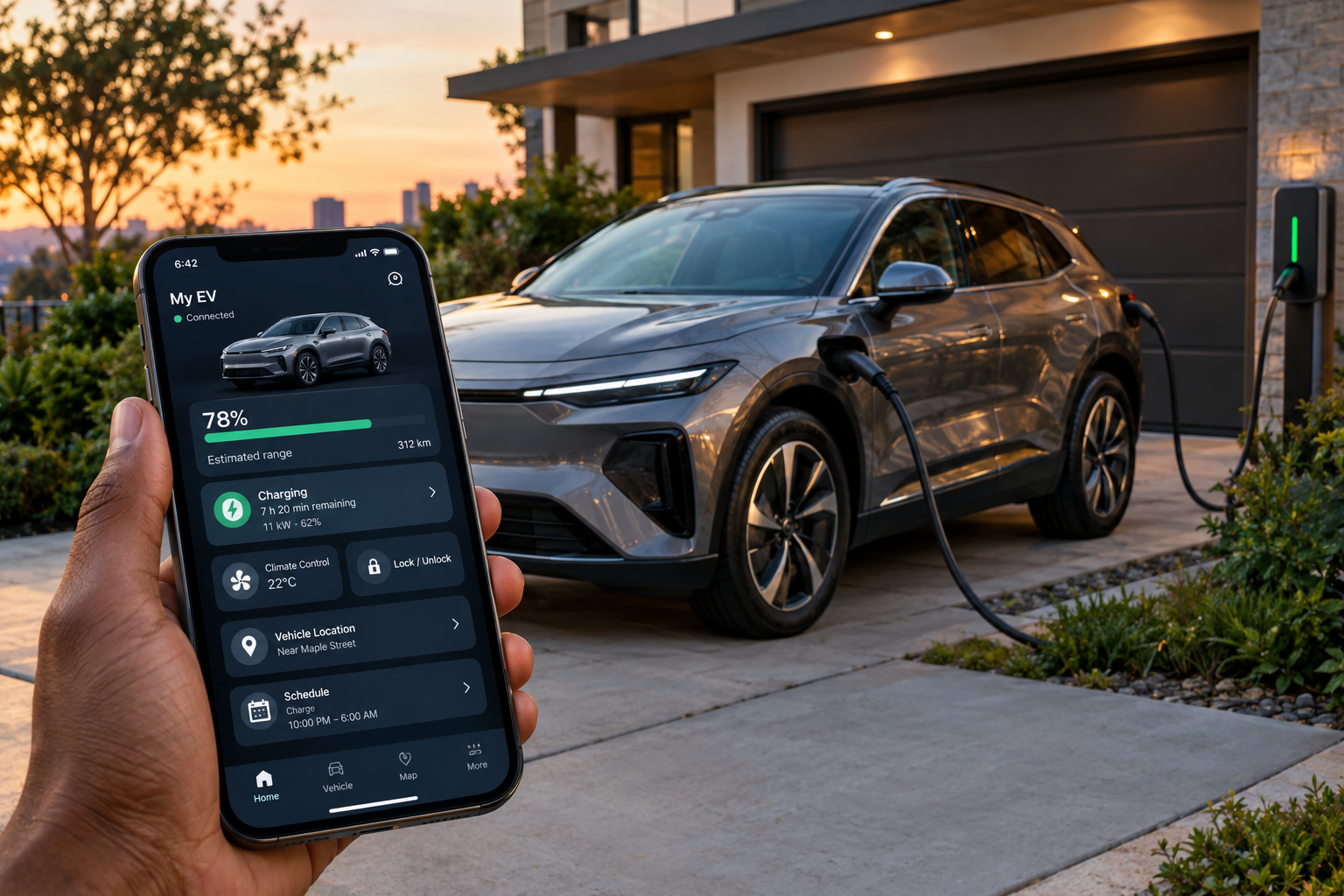
Smartphone navigation applications are designed to use GPS to locate the driver and direct them. Other apps also utilize mobile data to offer real-time traffic details, road updates, alternate routes, and destination searches. If the car has the right compatibility, the navigation app can project vital information onto the car’s infotainment system. This can provide drivers with maps, upcoming turns, estimated arrival times, and more information on the dashboard.
In most instances, the smartphone keeps running the navigation program, while the vehicle’s screen is used for displaying information. This means that the phone might still require GPS functionality, battery power, and perhaps even mobile data. Navigation features may be limited if the phone runs out of power or if it is disconnected from the vehicle. Knowing this relationship can help drivers realize that Apple CarPlay and Android Auto are extensions of the smartphone experience and not alternatives to the phone.
Apple CarPlay vs Android Auto Navigation Explained
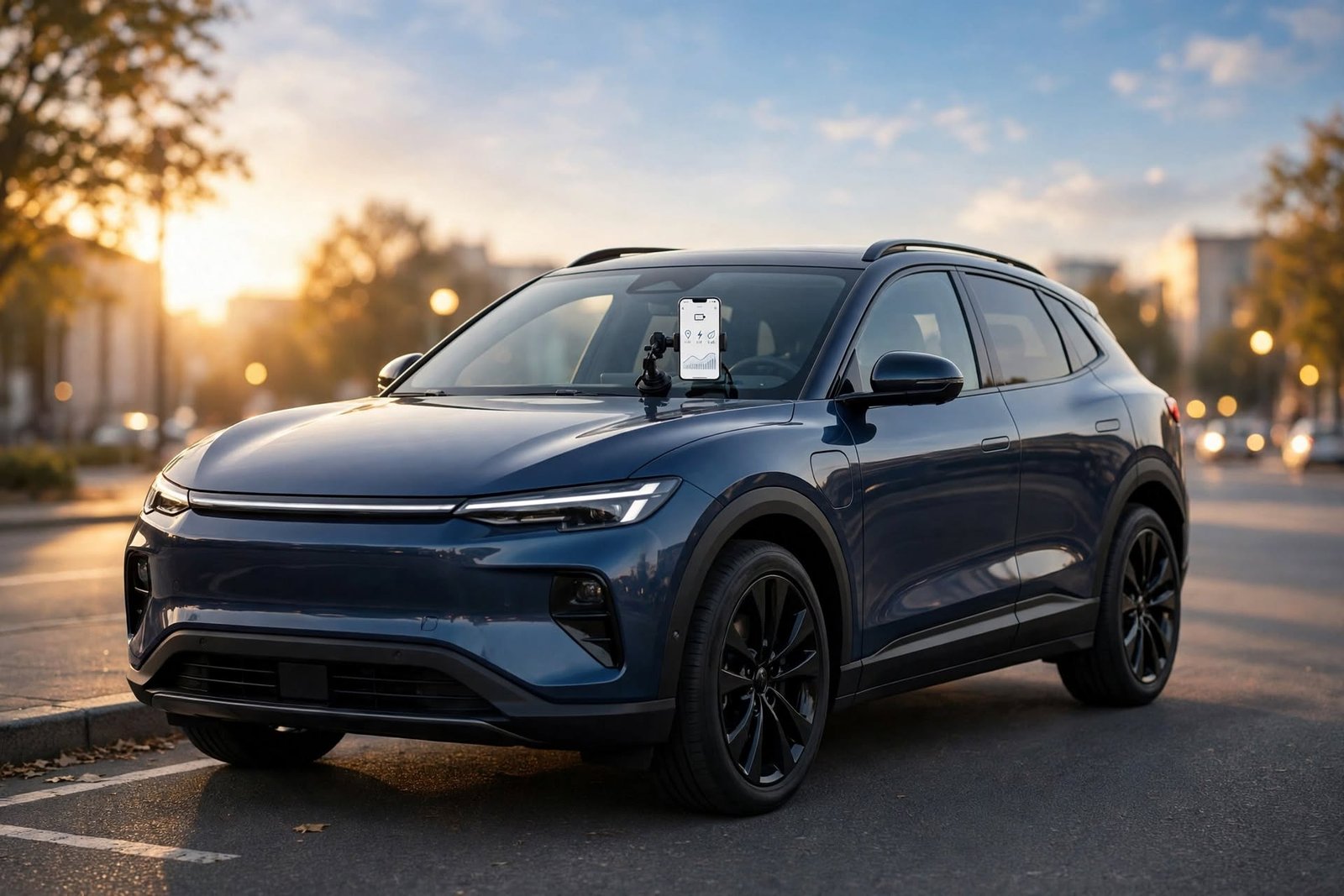
Apple CarPlay enables a compatible iPhone to interact with compatible car infotainment systems. Navigation, communication, and entertainment applications can be available to drivers in a way that fits into the car. One of the most helpful features is its navigation system, as maps and directions can be displayed directly on the dashboard screen without having to look at one’s cell phone.
Android Auto delivers similar functionality for compatible Android phones. It also enables supported navigation, communication, music, and other apps to appear on the vehicle’s infotainment display. Both platforms aim to provide enhanced access to smartphone features while driving, but the apps and user interface can vary depending on the smartphone, car, and software.
The Main Difference Between Them
The main distinction between Apple CarPlay and Android Auto is the different ecosystems that the two platforms support. Apple CarPlay is designed for iPhones, while Android Auto is designed for Android smartphones. Drivers will likely select the platform that is compatible with their existing phones because they want to be able to use their current apps and contacts, as well as their navigation preferences and digital services.
Both platforms have their advantages, but not necessarily for all drivers. The experience can be different based on the vehicle, the navigation app, connectivity features, and, of course, personal preferences. A driver’s decision should be based on which system will work best with their smartphone and offer them the features they require for driving on a daily basis.
Displaying Maps on the Vehicle Screen
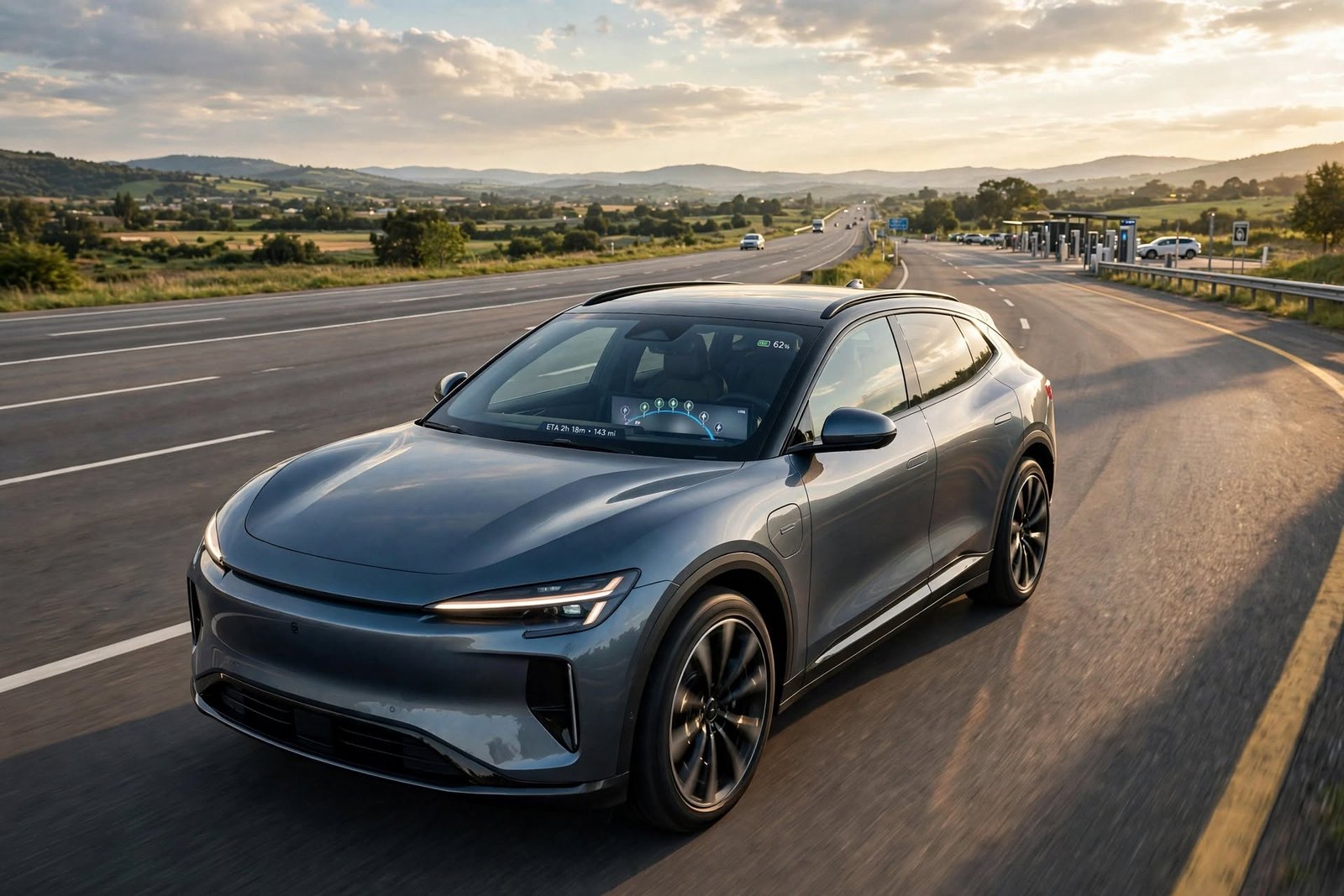
Apple CarPlay and Android Auto’s primary selling feature is that navigation maps are shown on the larger screen of the vehicle. Drivers will have more convenient access to their current route, next turns, road names, and estimated time of arrival than they would on a small smartphone screen. A few navigation apps may even provide details about traffic and alternative routes in the event of delays.
However, drivers should not devote too much time to viewing or engaging with the display. Information on a larger display can be more easily seen, but it can also be distracting. Whenever possible, it is best to enter the destination and set the navigation before the trip starts.
Voice Commands and Steering-Wheel Controls

A lot of today’s cars have steering-wheel controls that can interface with supported infotainment options. Volume controls, audio controls, voice commands, and the ability to make calls may be available without having to stretch toward the center display unit, depending on the car. This can help make navigation easier to handle and keep the driver’s hands closer to the normal driving position.
Alternatively, voice commands can help minimize manual interaction. The system can help drivers reach their desired destination, place a phone call, send a supported message, or even adjust music. However, voice assistants can sometimes mishear or misunderstand what the driver says, so drivers should verify the location of any important destinations when it is safe to do so.
Audio Directions Through Vehicle Speakers
Navigation instructions can be heard through the vehicle’s speakers, so drivers won’t have to constantly look at the screen to get directions. For an important direction, the system can temporarily reduce music or other audio. Using voice commands and visual maps together can help make navigation more intuitive, especially during heavy traffic.
When setting the navigation volume, be sure to choose a comfortable level before the trip. Directions that are too quiet might not be heard, while directions that are too loud might be distracting. Knowing how music, calls, and navigation audio sound in the vehicle can make for a more pleasant driving experience.
Apps and Phone Integration
Apple CarPlay and Android Auto don’t have to be limited to navigation apps. The infotainment system can also be used by drivers to receive phone calls, messages, music, podcasts, and more, depending on compatibility. This eliminates the necessity of touching the smartphone and enables important functions to be accessed through the vehicle display, buttons, or voice commands.
Not all smartphone applications are available on these platforms. Supported applications must comply with requirements that are defined for in-car use. Navigation or entertainment software might not be compatible with a vehicle, so drivers should make sure they have the right software before using it on a trip. Ensuring the phone and apps are up to date will also help avoid connection and compatibility issues.
Wired and Wireless Connectivity

Some cars use a wired connection between the phone and a USB port, while others have wireless Apple CarPlay and Android Auto. In some situations, a wired connection can ensure a stable connection and can also charge the phone at the same time. However, if the cables are damaged or of poor quality, you may experience connection issues.
Wireless connectivity might be more convenient because the phone doesn’t have to be plugged in. Wireless systems, however, consume more battery power and are not available in all vehicles. It is important for drivers to know what connection options are available and which method makes the most sense based on their typical driving habits.
GPS, Mobile Data, and Offline Maps
Many navigation applications utilize mobile data for real-time traffic information, destination searches, and updated routes. This can be an issue for some navigation functions because of poor mobile reception. While GPS can assist in locating the driver, some real-time services may not be available if there is no strong internet signal.
Offline maps may help drivers who are driving in regions with low network coverage. Some navigation applications allow people to download maps before embarking on a journey. Drivers can minimize navigation issues by downloading maps, verifying battery life, and ensuring connectivity before heading out.
Safety Considerations
Both Apple CarPlay and Android Auto can eliminate the need to hold a phone while driving, but they won’t take away all distractions. Drivers should never enter data, search through a complex menu, or make unnecessary adjustments while driving. Settings and destinations are important and should be prepared before departure.
Navigation systems should also be used as an aid and not as a substitute for driver awareness. Maps can sometimes give incorrect or outdated directions. Drivers cannot afford to stop paying attention to road signs, traffic, and local laws and must continue to make responsible decisions behind the wheel.
Apple CarPlay vs Android Auto: Which Is Better?
The platform that works best is typically dependent on the type of smartphone the driver already has. iPhone users might find that Apple CarPlay is more convenient for their Apple ecosystem, while Android users might find that Android Auto is more convenient. Both systems can display maps, provide voice commands, offer audio directions, and access supported apps.
People should choose based on compatibility and convenience—not on the notion that one platform is better than another. The infotainment system, screen display and usability, connectivity features, and supported apps can all have an impact. The solution that fits seamlessly with their cell phone is the ideal one for most drivers.
Conclusion
GPS navigation is now an integral part of the driving experience, and Apple CarPlay and Android Auto make smartphone navigation more accessible in compatible cars. Maps can be projected on dashboard displays, directions can be played through the speaker system, and key features of the phone can be accessed with voice commands without having to constantly reach for it.
At all times, though, technology should be used to help, not distract, drivers. Drivers should have an understanding of how their infotainment system operates, reliable connectivity, and compatible devices. When used responsibly, Apple CarPlay and Android Auto can help make every everyday driving trip easier, more convenient, and more connected.
Yazınız için teşekkürler. Bu bilgiler ışığında nice insanlar bilgilenmiş olacaktır.