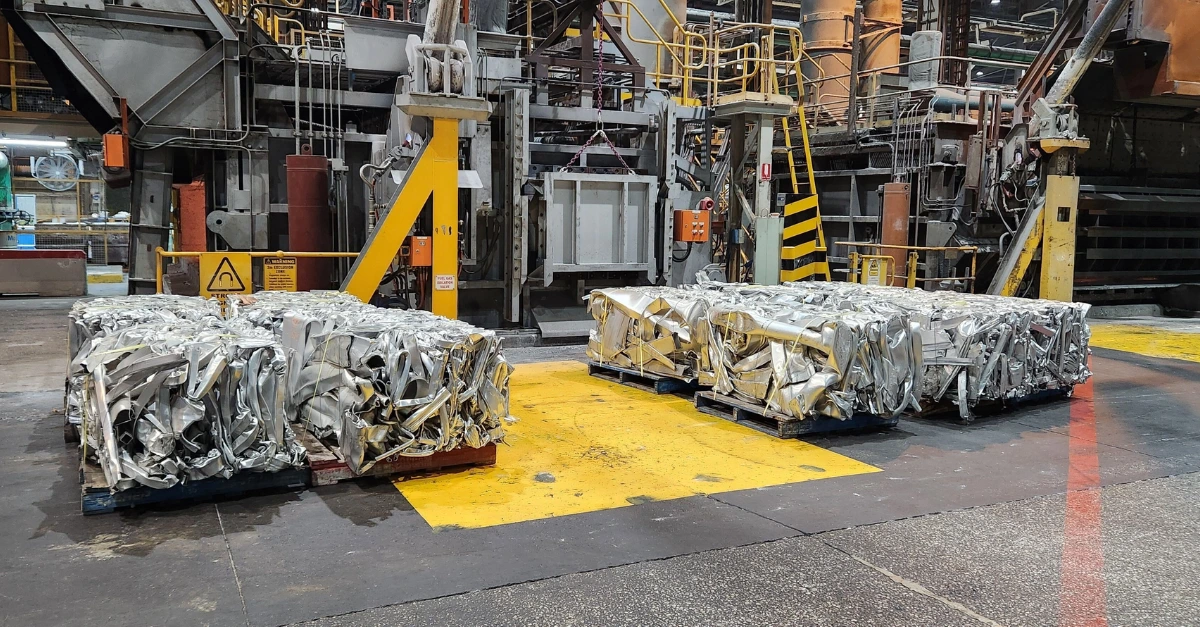
Aluminum doesn’t usually announce itself. It’s there, it does a job, then it’s replaced by the next thing that needs doing. Frames get cut down, sheets get stacked, and cans pile up somewhere out the back. Eventually someone asks what to do with it all, usually because space runs out rather than because sustainability suddenly feels urgent.
That’s where aluminum recycling tends to live. Not front and center, more off to the side, handled quietly so everything else can keep moving. When it works well, nobody really notices. When it doesn’t, people notice very quickly.
It’s not a dramatic process. That’s probably why it’s easy to underestimate.
Aluminium Keeps Its Value Longer Than People Expect
One of the stranger things about aluminum is how little it cares about its past life. Bent, scratched, and cut down to size, it still behaves like aluminum when it’s melted and reused. It doesn’t hold grudges. It doesn’t wear out in the way people assume materials do.
That’s the quiet logic behind aluminum recycling. Energy savings matter, sure, but the bigger hook for most businesses is that the material doesn’t lose its usefulness. Waste isn’t really waste yet. It’s more like material waiting for its next job.
Of course, that only holds if it’s treated reasonably well. Once aluminum gets mixed in with too many other things, or coated in stuff that’s hard to remove, the path back gets slower and less clean.
Recyclable Isn’t the Same as Ready
With aluminum recycling, preparation matters. How the material is stored. What it’s mixed with. Whether anyone checks it before collection. None of this feels urgent in the moment, but it decides how smooth the process is later.
From a business point of view, rejected or downgraded loads feel frustrating. From a processing point of view, they’re often unavoidable. Systems can only stretch so far before they start to break down.
Sorting Sounds Easy Until You’re Busy
Sorting aluminum is one of those things that sounds straightforward when explained once. Separate it out. Keep it clean. Job done. In practice, things get busy. People change. Deadlines creep in. Someone throws something in the wrong bin because it’s close enough.
Effective Aluminium Recycling usually depends less on people doing everything right and more on systems that still work when people are distracted. Clear bins. Simple rules. Someone checking occasionally rather than trusting that it’s all fine.
When sorting slips, it doesn’t fail loudly. It just erodes value over time, which is harder to trace back to a single decision.
Why Aluminium Recycling Sticks Around in Businesses
Plenty of sustainability efforts sound good and fade out quietly. Aluminum recycling tends to stick, mostly because it makes sense in day-to-day operations.
With aluminum recycling, there’s usually something tangible in return. Lower waste costs. Less landfill pressure. Sometimes direct value comes back. Even when prices shift, aluminum rarely drops to the point where it feels pointless.
What really keeps businesses engaged, though, is predictability. Knowing collections will happen. Knowing requirements won’t change without warning. Knowing the process won’t create extra problems.
That kind of reliability beats big promises every time.
Compliance Is There Even When You’re Not Thinking About It
Good Aluminium Recycling services tend to absorb that complexity without making it obvious. Paperwork exists if it’s needed. Records are kept. Traceability is there, even if no one asks for it.
Problems usually don’t start with major breaches. They started with small shortcuts that felt harmless because nothing went wrong immediately.
Technology Helps, But It Has Limits
Recycling facilities have come a long way. Sorting is faster. Processing is cleaner. Recovery rates are higher than they used to be. All of that supports better outcomes for aluminum waste.
Technology can fix some mistakes. It can’t fix everything. Mixed materials and heavy contamination still slow the whole system down.
Progress here isn’t dramatic. It’s incremental. Better habits layered over better equipment, one step at a time.
When It’s Working Well, It’s Almost Forgettable
The best recycling systems don’t draw attention to themselves. They become routine. Material moves out. Space clears. Work continues. No one has to stop and troubleshoot very often.
At its best, aluminum recycling from Union Metal Recycling blends into daily operations. Not because it’s unimportant, but because it’s predictable. And predictability is useful. It means fewer disruptions and fewer conversations that start with “we’ve got an issue.”
There’s no perfect setup. Volumes change. Sites change. Priorities shift. But systems that are simple enough to survive busy days tend to last longer than carefully designed ones that need constant attention.
That’s usually where aluminum recycling settles. Not perfectly. Just steadily. And in this space, steady tends to be enough.