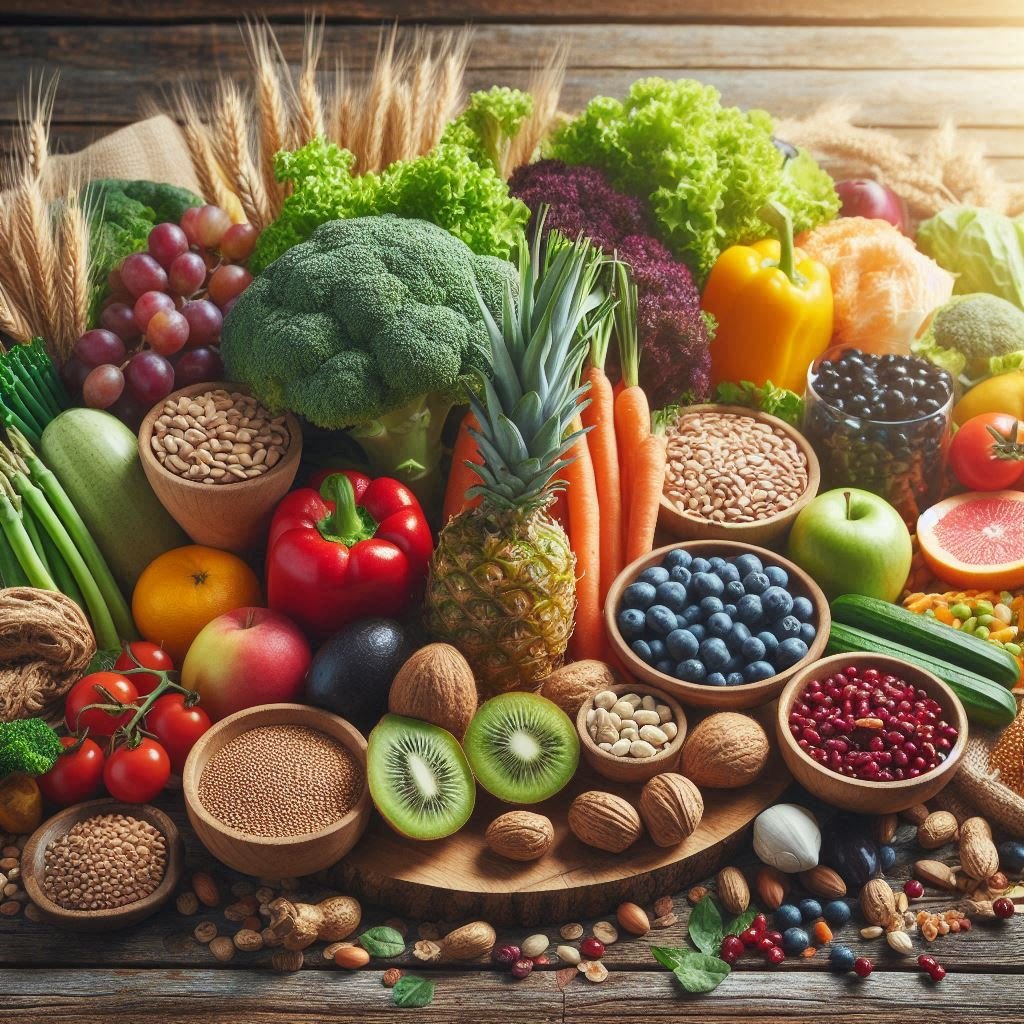
Digestive health is an important aspect of wellness. A healthy digestive system allows the body to absorb nutrients well, support normal energy production and maintain normal comfort. The high levels of activity, poor eating habits, inadequate water consumption and lack of food diversity in many diets lead to occasional digestion discomfort. There is no single food that can ensure perfect digestion, but good dietary practices can help to make digestion more comfortable and promote lifelong well being. By understanding how these three components function together, people can make informed decisions that improve their digestive health, without any need to buy expensive products or follow complex meal plans.
Eating healthy foods and maintaining balance in the diet are crucial to digestion, many experts say. There are other sources of information available, like food choices that support healthy digestion, which offer more details on dietary recommendations that promote a healthy gut. Fortunately, there are many inexpensive foods that are typically found in the home and in local stores which can help ease digestive discomfort. Practical foods like pap with ginger, yoghurt, beans, unripe plantain and pawpaw can easily be incorporated into the daily diet. Knowing the advantages and how to include them in their daily diet can help people maintain digestive health and still eat a balanced diet without overspending.

Healthy digestion and balanced and affordable eating.
Understanding the Importance of Digestive Health
The digestive system is very important and has several functions. It digests food into nutrients which are absorbed and utilized by the body for growth, maintenance and energy. Digestive processes also aid in the effective elimination of waste products and promote overall comfort. Serve healthy food choices to ensure that digestion happens seamlessly, allowing people to feel healthier, more comfortable and able to continue their productive daily lives.
Many factors influence digestive comfort, such as diet, fluid intake, exercise and lifestyle. The fiber in foods provides support for regular digestion, while fermented foods provide beneficial microorganism support for digestion. Water also plays a critical role as a vehicle for the transport of nutrients and to ensure proper digestive function. Long-term digestive health is a more balanced approach, rather than a single food or a trend, and is best achieved through consistent habits that promote balance and variety.
What does Fiber Do for Digestive Comfort?
Among the most important nutrients in the diet are fiber and digestive health. Fiber does not get absorbed during digestion, but helps with a number of digestive processes throughout the body. It helps to keep the digestive system regular, provides comfort in the digestive system, and facilitates food passing through the digestive tract.
Many affordable foods naturally contain fiber. Dietary fiber is a good source of fruits, vegetables, legumes and whole grains, and they can be included in the diet in any form. Gradual increase of fiber and adequate water intake is one practical way to do so, as fiber is intertwined with water and works synergistically to aid digestion. Regularly eating foods rich in fibre can help improve eating habits and digestive comfort in the long term.
Fermented foods play a crucial role in sustaining human health.
In many cultures fermented foods have been used for centuries and are important to a balanced diet. In the process of fermentation, advantageous microorganisms combine with food, adding special flavors and qualities. These foods can be enjoyed for their digestive health benefits and for their ability to add diversity to the diet.
One of the best examples of a fermented food that many households have is yoghurt. Can be served on its own, mixed with fruit or as part of breakfast and snack time. Regularly adding fermented foods to your diet can be part of a more balanced diet and can offer some ideas on how to naturally promote digestive health.
Water is vital to digestion
Water intake is often forgotten when talking about digestive health, but it’s an important aspect of keeping your digestive system comfortable. Water moves food through the digestive system and plays many roles in the body associated with the process of absorbing nutrients and eliminating wastes. If there is not enough fluid, digestion can be less efficient, leading to some discomfort.
Eating and drinking simple things can be helpful. You can keep a reusable water bottle with you all day, drink water and eat fruits that are high in water content to encourage hydration. Drinking enough water and eating foods that are high in fiber provides a solid basis for a healthy digestive system.
1. Pap with Ginger
Pap is an affordable, versatile breakfast food that is popular. Add ginger and it’s quite a simple meal that can be a part of a digestive friendly lifestyle. Ginger has been a part of the traditional diet for long due to its distinct flavor and the comfort it provides the digestive system.
Warm pap with a little ginger and fresh fruit is a good breakfast choice. It is simple to create, inexpensive for lots of homes, and appropriate for hectic mornings. Since pap is a familiar food and easily accessible, it is an ideal base for healthy breakfast habits.
2. Yogurt
The yogurt continues to be one of the most popular fermented foods because it is convenient and versatile. It can be snacked on, added to breakfast, or used in a variety of other ways to make well-rounded meals with fruits and grains. Yogurt offers an easy way to add more fermented foods to your diet.
For instance, a yoghurt fruit bowl is a refreshing and hydrating snack idea that offers a mix of flavors and nutrients, including sliced pawpaw or watermelon. This pairing showcases the power of affordable foods to play a complementary role in promoting digestive health and nutrition quality.
3. Beans
In many communities, beans are one of the most low-cost, nutritious foods that are available. They are also rich in fiber and can be a big part of a well-rounded diet. Due to their versatility and filling nature, beans are frequently added to soups, stews, porridges and side dishes.
Consuming beans as part of meals frequently can boost dietary fiber and help to satisfy meals. Eating beans and vegetables together with whole grains makes a balanced meal that helps keep the digestive track healthy and promotes overall well-being.
4. Unripe Plantain
Unripe plantain is popular among many homes and is also a good choice for those who want to diversify their food intake. It can be boiled, roasted or used in traditional recipes. It can be used in breakfast, lunch or dinner menu.
A balanced diet with unripe plantain and vegetables and protein rich foods will offer a good balance for digestion and keep energy going all day. An unripe plantain is very cheap, so it’s still a good choice for a low-fat diet.
5. Pawpaw
Pawpaw is a healthy, inexpensive and convenient fruit to incorporate into your diet. Eat fresh, add to smoothies and use with yoghurt for a great snack. It is soft and naturally sweet, so it’s loved by people of all ages.
Pawpaw added to breakfast or snacks during the afternoon leads to increased fruit intake, while providing dietary variety. Fruit consumption is essential in having a balanced diet and promoting healthy digestion.

Diet for good digestion using local affordable ingredients.
6. Watermelon
The refreshing taste and high water content of watermelon make it a popular choice. Fruits that have a high water content can help keep you hydrated and can provide some variety to a meal. Another great use for watermelon is in salads with other fruits, as a snack, or dessert.
Being inexpensive during peak seasons, it provides a great option for families looking for healthy options that will help them get their daily water and keep their tummies at ease. Fruits can be mixed with watermelon, which allows you to get color and flavor.
7. Cucumbers
Another food that has plenty of water in it that can help support hydration is cucumber. They are frequently consumed as salad toppings, side dishes and snacks. They are crisp and mild in flavor, which allows them to be paired with a wide variety of foods.
Frequent consumption of cucumbers can help increase vegetable intake and help with hydration. They are convenient and inexpensive, and can be used every day.
8. Oats
The versatility and nutritional value of oats has made them more popular than ever. They can be used as a porridge or put in smoothies or baking. Oats are a good source of fibre and can be used to make a balanced breakfast that will help keep your tummy happy.
Fruits like pawpaw or bananas make healthy and satisfying foods when paired with oats, which will help to build healthy eating habits.
9. Leafy Green Vegetables
Leafy vegetables like ugu, spinach and other greens are a good source of nutrients and fibre in the diets. They can be added to most widely popular dishes like soups, stews, sauces, and side dishes.
Incorporating leafy greens into your diet is a great way to boost health, particularly when it comes to getting the nutrients your body needs. They are also easily accessible and affordable in local markets, making them viable options for families looking to access affordable and healthy food.
What you can do for digestion
Improving digestion needs doesn’t involve complicated recipes. A pap and ginger/pawpaw breakfast is a balanced breakfast. It may consist of beans accompanied with vegetables and unripe plantain during lunch time. For the afternoon snack, a bowl of yogurt and fruit could be served, and dinner may be a healthy side dish served with a cup of leafy vegetable soup. Consistent intake all day long also helps to keep the digestive system comfortable.
These examples illustrate the simplicity and familiarity of the foods that help to maintain a healthy digestive system, and show that these foods can be used as a replacement for costly special foods. This can help people plan a meal pattern to support their lifestyle and budget through variety and consistency.
Establishing good digestive health for the long term
Habits are more important for long-term digestive well-being than short-term changes. Eating is more comfortable when you consume fiber-rich foods regularly, incorporate fermented foods like yogurt, and drink water consistently. Little incremental changes can make a big difference in the long run.
The second is that of balance. People don’t have to cut out entire food groups or go with a trendy diet; they can simply add more nutritious foods into their diets. This will help to promote sustainable behaviours that are more likely to be maintained in the long term and beneficial to wellbeing.
Conclusion
A wide range of daily decisions can impact digestive health, especially food and drink intake. Digestive comfort and long-term health are enhanced by foods rich in fibre, fermented foods and sufficient water. The pap, yoghurt, beans, unripe plantain, pawpaw, watermelon, cucumber, oats and leafy vegetables are all affordable and healthy foods that can be enjoyed.
To help maintain digestive comfort and wellbeing, they can make food choices that help keep their digestion easier and use them as part of a regular meal routine. Regularity, diversity and moderation are still the rule of good digestion and long-term nutrition.