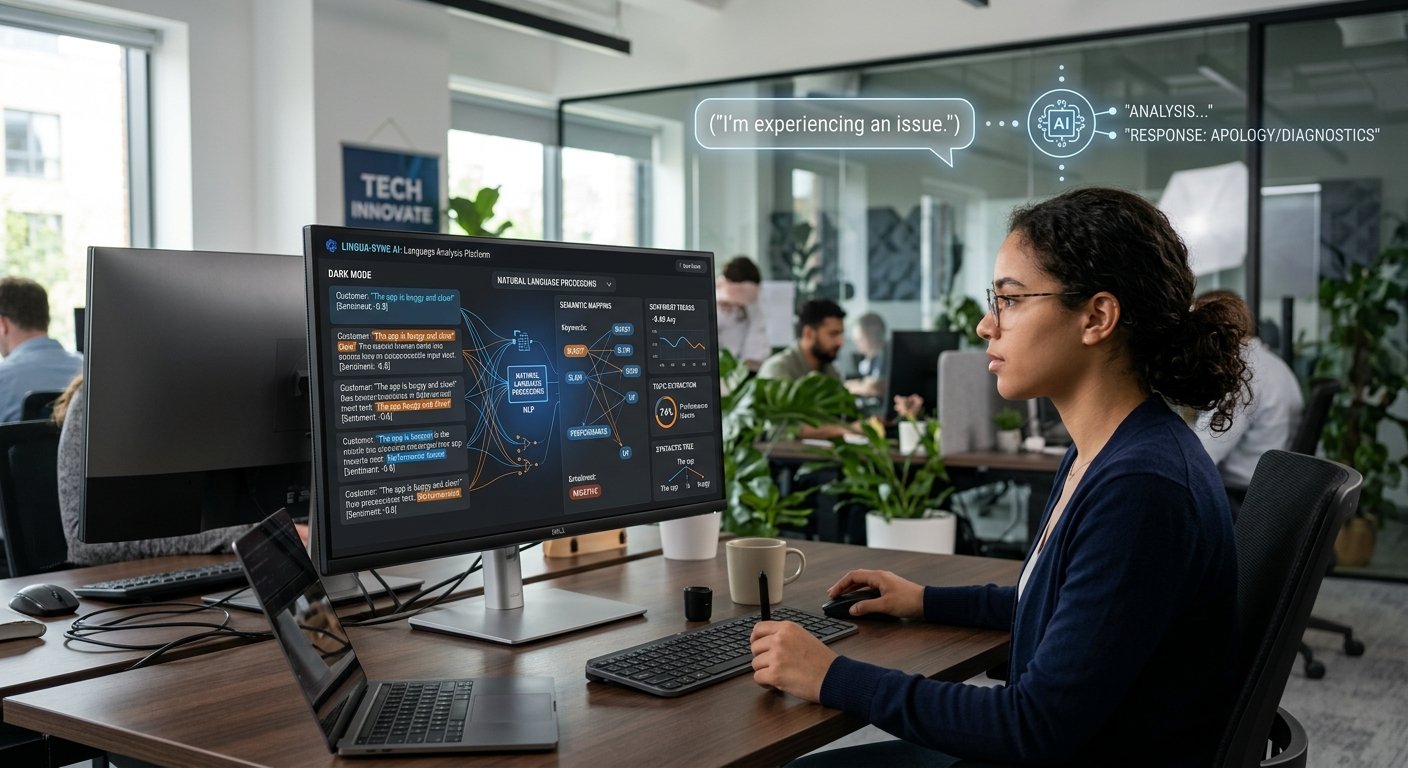
Artificial intelligence is transforming what we do at work, how companies function, and which solutions we put in play. From performing routine tasks to augmenting research and decision-making, AI is a key player in today’s work environment. As these systems grow in ability, they may change employment, productivity, professional skills, and also give rise to new industries. Superintelligent AI, which is put forth as a hypothetical form of AI that may outperform human intellect in most fields, is a different prospect and may bring about even greater changes. While it is uncertain whether we will see this development and when, looking at what it may do for us is a good use of time, allowing workers and businesses to get ready for what is to come.
Advanced AI’s impact will be determined by how organizations adopt it and how governments regulate its use. It will also depend on how workers adapt to changes in professional requirements. While AI may offer greater efficiency and present new opportunities, we also see the potential for disruption of present career structures and growth in economic inequality. We must study the pros and cons of AI because understanding them will help us build a future in which technology plays a supportive role in human progress. For background on advanced capable AI, see IBM’s overview of AI agents.
What Is Superintelligent AI?
Superintelligent AI is the term we use for what is now a hypothetical stage of artificial intelligence in which it outperforms humans in a wide range of fields, such as research, strategy, software development, and complex problem-solving. Also, unlike present AI, which is built for very specific functions, this type of system may be applied to many different fields at a high performance level. That said, we are still in the early days of exploring what AI is capable of, and true superintelligence has not yet been achieved.
If it becomes a reality, superintelligent AI could transform how companies structure the roles of humans and machines. We may see more complex processes handed over to machines, faster innovation, and better decision-making. Also, it is true that technical ability is not the only factor that will determine which tasks we put to machines. Costs, dependability, regulations, and human supervision will also play a role in the adoption of these systems.
1. How Superintelligent AI May Transform Employment
Advanced AI is set to transform many professional fields by taking over some functions, which could also lead to the development of new skills. Employees may spend less time on routine administrative work and more time supervising technology, solving complex problems, and communicating with clients. For instance, accountants may use AI to sort through financial records, while software developers may use it to write code and find defects. These changes could reshape how we do our jobs without necessarily eliminating entire professions on a large scale.
AI also has the ability to open up opportunities in fields such as AI management, cybersecurity, system evaluation, and technology consulting. However, significant changes in workers’ responsibilities may require additional training to keep up. Governments, employers, and educational institutions play a role in this by providing access to learning opportunities and supporting career transitions. The challenge is to ensure that technological progress creates value for workers rather than leaving them behind.
2. AI and Productivity in the Workplace
Superintelligent AI may bring large increases in productivity by enabling companies to complete research, analyze information, prepare reports, and improve business operations. Employees could use AI to summarize documents, develop potential solutions, and organize complex projects more effectively. Small companies may also gain access to capabilities that previously required large teams and substantial resources.
However, greater productivity does not automatically lead to better working conditions. Some employers may use these gains to improve work-life balance, while others may use them to lengthen working hours or cut staff. Companies should thus look at service quality, employee well-being, and accuracy as indicators of success instead of focusing only on speed and cost.
3. The Direction of Software Development and Research

AI may transform software development, which in turn will lead to more focus on system design, security checks, and ensuring that applications meet users’ needs. While it is true that AI may speed up the development process, human expertise will still be very much in play for error identification and software reliability.
Scientific research may also see growth in the use of advanced AI. Researchers may use it for large-scale data analysis, developing and testing new theories, and studying complex problems. This may, in turn, speed up research in medical, environmental, and engineering sciences. At the same time, researchers will still need to check results, evaluate evidence, and make sure that their findings are scientifically sound.
4. Education and the Skills Workers Will Need
As AI technology advances, workers will have to develop AI literacy, critical thinking, communication, adaptability, and problem-solving skills. AI literacy includes understanding how AI works, recognizing its limitations, and assessing the accuracy of its outputs. Employees do not necessarily need to become AI engineers, but they should learn to use relevant tools responsibly in their professional settings.
Education will need to focus on the information presented to students, how they solve real-world problems, and how they use what they learn independently. AI can help teachers prepare learning materials and provide in-depth explanations, which can enable personalized support for students. However, human guidance remains essential to ensure that this technology improves learning rather than becoming a substitute for independent thinking.
5. New Economic Frontiers and Sectors
Advanced AI may help businesses launch new products, improve customer service, analyze markets, and manage operations. At the entrepreneurial level, superintelligent AI could support research into business ideas, product testing, and routine administration, potentially lowering some barriers to starting a small business. Entrepreneurs would still need to assess customer demand, costs, product quality, and local conditions before investing. These changes may encourage innovation across diverse industries.
New opportunities may emerge in AI integration, data governance, automated research, and specialized technology services. However, access to these opportunities may be limited in places where infrastructure, training, and investment support are lacking. Businesses and governments have a role in promoting responsible innovation, including helping workers and smaller organizations participate in the new economy.
6. Superintelligent AI: Issues and Risks
Despite its potential benefits, advanced AI could introduce employment uncertainty, economic inequality, privacy issues, and security risks. Large organizations with access to powerful systems may gain significant competitive advantages, which could cause a concentration of wealth and influence. Workers whose skills lose market value may also have a hard time in the job market, especially without access to affordable retraining.
AI may produce inaccurate information, reinforce biases, or make improper decisions. Companies must put clear rules in place for data protection, human oversight, and accountability. Important decisions that affect people’s rights, safety, or financial well-being should undergo appropriate review. As AI capabilities grow, responsible development and effective regulation will become increasingly important.
7. How Employees and Businesses Can Prepare

Workers can prepare by learning to use AI tools that support their roles and by developing their professional knowledge. The ability to evaluate AI-generated information will also be valuable. Instead of trying to predict which specific jobs will fade away, individuals should focus on becoming flexible and understanding how technology can support their work.
Businesses should invest in employee training, introduce AI gradually, and determine how new systems will affect job responsibilities. As superintelligent AI changes workplace demands, employers can support the transition through employee development and training that helps workers build relevant skills and prepare for new responsibilities. Governments and educational institutions also have a role through vocational training, career counselling, and access to digital education. Preparation for AI should be a shared responsibility rather than one placed solely on workers.
Conclusion
Superintelligent AI may bring about a transformation in employment, productivity, research, education, software development, and business operations. It could automate complex tasks, accelerate innovation, and create entirely new industries while changing the skills employers value. However, these developments remain uncertain because true superintelligence has not yet been achieved.
In the coming years, the future of the workforce will depend on how society handles technological change. There will be a growing need for adaptable workers with AI literacy, while companies will need to put responsible practices in place and governments will need to develop policies that promote fairness and opportunity. With careful planning, advanced AI could become a valuable resource for increasing productivity and expanding human potential while ensuring that the benefits of technological progress reach more people.