GPS navigation for road trips requires more preparation than just inputting a destination into a navigation app and following it. You may end up on unknown roads, in heavy traffic, changing weather, road closures, fuel stops, and unexpected detours, which you will have to handle. A reliable GPS navigation app does make these trips better by giving out useful information before and during the trip. Also, knowing which features of the navigation system best suit your needs will, in turn, help you to better prepare for what may come and also avoid unneeded delays.
Today’s GPS navigation apps do a lot more than just give turn-by-turn directions. They also allow drivers to plan trips with multiple stops, which is great for when you have a full day of driving. These apps also report on traffic conditions in real time, point out fuel-up locations and rest areas along your route, give you an estimated time of arrival at your destination, and, if conditions change, put forth alternate routes. Before you hit the road for a long trip, it is a good idea to go through what your navigation app has to offer and set it up to best fit your trip’s needs.
GPS Navigation for Road Trips: Why It Matters for Long-Distance Driving
GPS navigation is at its best use during road trips, as at that time drivers are in foreign cities, on highways, and in unknown regions. Also, without reliable navigation, finding your way becomes hard, which is even more so when you have multiple stops. A navigation app gives out clear directions and location information, which in turn allows drivers to pay more attention to the road instead of trying to remember complex routes or constantly looking for road signs.
Another large benefit of navigation apps is that they provide up-to-date information while on the go. Traffic reports, accident information, construction work, and weather updates that may affect your route are available in real time. A navigation app that has this feature is able to alert you to issues like delays and also put forth an alternate route as required. This feature of re-routing in real time makes what would be a long trip more organised and also takes the stress out of dealing with the unexpected.
Multi-Stop Route Planning for Road Trips
In the case of long-distance travel, one of the great features is multi-stop route planning. Many road trips are not direct travel from point A to point B. While on the road, you may have to stop for fuel, food, to check into a hotel, do some sightseeing, go shopping, or run some errands. As you are in the car, planning each stop may also prove to be inconvenient, which in turn may cause you to take unnecessary detours.
Multi-point route planning has the feature of inputting important destinations prior to you leaving. This makes it easy to see the full trip and also determine how each stop will play into the travel time. You may put in your priority locations first and also have the option to remove non-essential stops if you do run late. By having these destinations in advance, you create a better-structured travel plan, which in turn lessens the need to do large-scale navigation changes while you are on the road.
Planning Important Stops Before Departure
Before you hit the road for a trip, it is a good idea to determine what the key points of your journey will be. This includes fuel stops, hotel accommodations, restaurants, rest areas, and your final destination. Also, adding these to your navigation app before you leave will, in turn, make your trip run more smoothly, particularly when you are in unfamiliar areas that may have hard-to-find services.
It is also useful to distinguish between what is basic and what is extra in your stops. Fuel is a must, but going to a tourist site is at your own will, which in turn may or may not happen depending on how much time you have left. In case of delays due to traffic or bad weather, we can do away with the non-essential sites without affecting the primary goal of the trip. This also gives the driver more control and aids in better decision-making as travel conditions change.
Offline Maps for Sparsely Connected Areas

Internet connection is also not a given during long-distance travel. In rural areas and on remote highways, we may see poor mobile network coverage, which in turn may drop the connection. Should a navigation app require full mobile data use, at that point you may find it out of service when you lose connection.
Offline maps are a great asset that allows users to download map updates prior to departure. Before going on a road trip, it is also important to check that your navigation app has offline navigation features and which areas’ maps can be downloaded. Also, see to it that the maps are current and that your device has sufficient storage. Although some live features may require a connection, offline maps will still provide you with the guidance you need when the connection is down.
Real-Time Traffic and Road Closure Information
Traffic flow monitoring has a great impact on long-distance travel. We see heavy congestion, accidents, and construction as factors that extend travel time and may make the original route unsuitable. Navigation systems with real-time traffic information are able to identify which roads are slower and to what extent delays will play a role in the trip.
Road closures are also a concern, as they may cause you to waste a great deal of time travelling to a closed road. We see this with construction, accidents, flooding, and other issues that may temporarily shut down what are usually busy routes. A good navigation app will have the latest information on these closures, which in turn helps drivers choose a different route before they get to the issue. Drivers should also keep their traffic and route alerts on at all times, which will better prepare them for what may come.
Fuel Stops and Rest Areas Along the Way
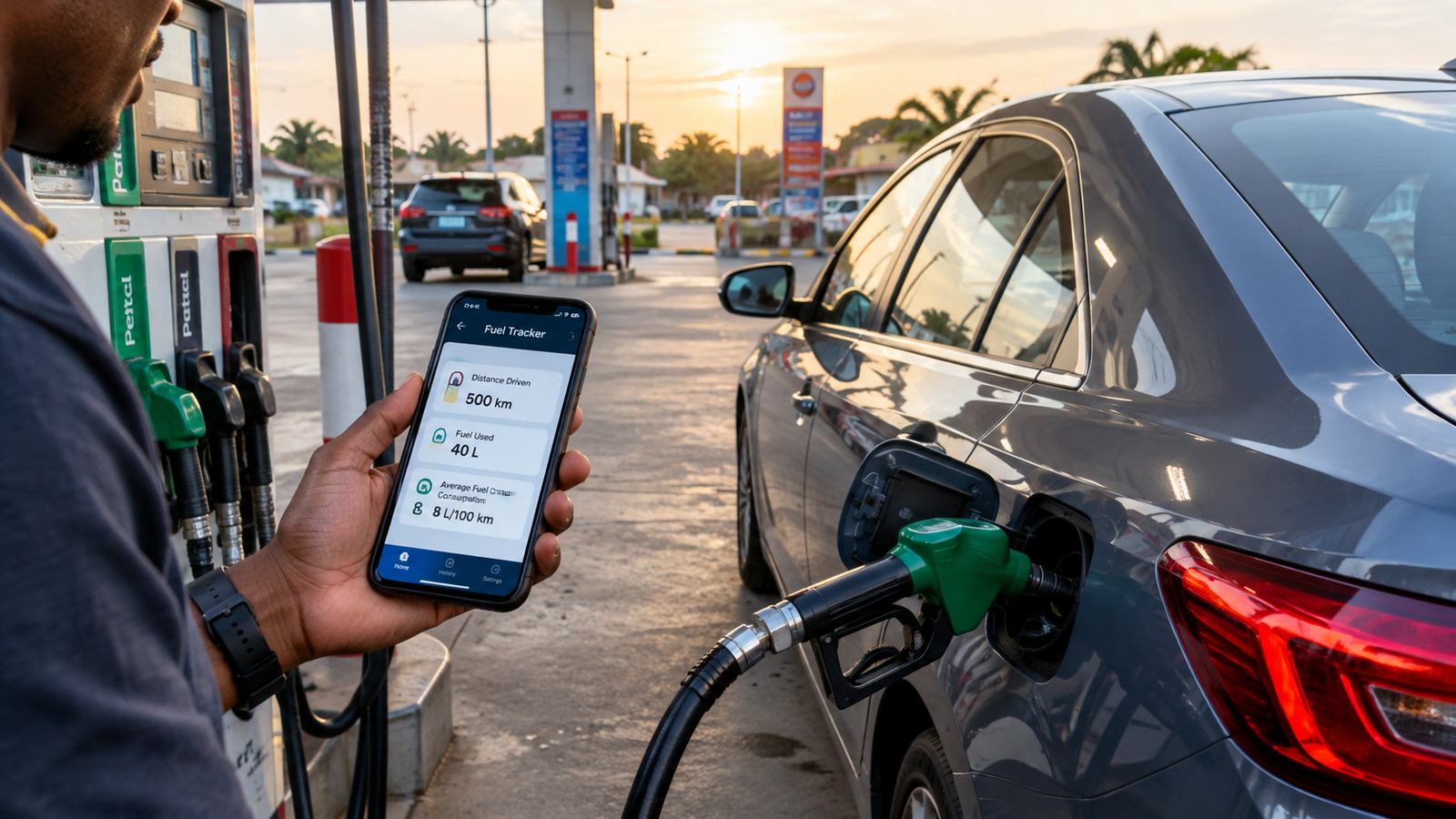
Fueling up is a key element in long-distance travel. As you may be in a foreign or remote area, it is hard to predict where the nearest reliable fuel station is. Navigation apps come to the rescue by identifying nearby fuel stations and marking out locations along your planned route.
Rest areas are a key element of long-trip comfort. We have navigation tools that we may use to find the best spots to pull over, stretch our legs, grab a bite to eat, and take a break. By the time we plan our fuel and rest stops, we reduce unnecessary detours, which in turn makes the journey go more smoothly. Also, by putting our fuel, food, and rest stops in convenient locations, we can save valuable travel time.
Estimated Arrival Times and Travel Planning
Estimated times of arrival are what drivers use to determine the length of a trip. Navigation apps determine travel times by inputting distance, road conditions, speed information, and what is available in terms of traffic data. This feature also makes it easy to plan for hotel check-ins, business meetings, and other trip-related activities.
However, in many cases, the estimated time of arrival can vary. Traffic, road work that may cause the closure of roads, bad weather, and unforeseen stops will delay your trip. As the trip goes on, check in for updated arrival times, which will give you a better picture of when you will arrive at your destination. This information is also very useful in long-distance travel that may include many stops.
Weather Information and Changing Road Conditions
Weather plays a big role in how your road trip goes, especially when you are travelling between different regions. Heavy rain, flooding, fog, and strong winds can make the drive a challenge, which in turn may impact certain roads. Before you hit the road, it is best to check the weather to prepare for what you may come across on your route.
Drivers should also continue to check for weather changes as they happen when it is safe to do so. In the end, the weather at the destination may be very different from where you left. If severe weather is expected along the route, change your schedule if you can or plan a different route. Navigation systems are a great tool for route choice, but at the first sign of unsafe roads, use your best judgement.
Alternative Routes for Unexpected Delays

A route that was planned may not be the best choice for the whole of a long trip. Incidents, traffic, construction, and weather can see road conditions change very fast. Navigation systems that put forth alternate routes give drivers more flexibility when there is notice of a delay.
Drivers must still look at each route put forth in detail. A route that gains you only a few minutes may not be worth the trouble of difficult or unfamiliar roads. However, when the original road has a large-scale delay or is closed, an alternate route is very useful. There are many options, and knowing them allows drivers to make better choices instead of blindly going along with each change.
Charging Stations for Electric Vehicles
Electric car drivers have to put in more planning for long-distance travel. We see that charging stations are a factor at each stop along the way and may vary by location. Navigation apps that integrate charging station information into their routes are very useful for drivers looking to find ideal recharging stops.
Planning which charging stops to make before you leave is a good idea, which in turn will prevent you from having to rely on a single charging option. A station may be at capacity or out of service, which is why it is wise to know other options. Also, think about the distance between charging stations and put extra time in your schedule for charging breaks.
Choosing and Configuring a Navigation App
Which navigation app is best for you depends on what you will be using it for and what your trip requires. Some drivers may prefer real-time traffic updates, while others may value in-depth offline maps. Families going to many different destinations may want a multi-stop feature the most. For electric vehicle drivers, the largest concern may be access to charging stations.
Before departure, it is a good idea for drivers to go through the app’s settings and turn on what they need. Options may include voice instructions, traffic information, alternate routes, offline maps, and route personalisation. By setting these options in advance, drivers may reduce distractions and put more attention on the road.
A Practical GPS Navigation Checklist
Before you hit the road, set your destination and all key stop waypoints on your map. For areas with poor internet connection, download your maps offline, and also see to it that you have traffic and incident alerts turned on if they are available. It is also a good idea to look at alternative routes before you leave.
Drivers also have to get their phone or navigation device ready for the long trip. The use of a good charger and the right cable will do away with issues of the device dying during the trip. Before you leave, also check into fuel stations, rest areas, weather reports, and electric vehicle charging points, which in return will put together a better trip plan and reduce unforeseen issues.
Conclusion
GPS navigation has grown well beyond basic turn-by-turn instructions to improve long-distance travel. We see features like multi-point destination input, offline maps, live traffic updates, fuel station information, information on rest areas, estimated times of arrival, weather reports, notices of road work and closures, places to charge up your electric car, and also options for different routes.
It is best to prepare your navigation app before the trip instead of making key changes while you are on the road. By looking at routes in advance, determining your stops, downloading the relevant maps, and turning on useful alerts, you can better prepare for what is ahead. While a fully loaded navigation app cannot prevent all issues on the road, it can surely improve your trip’s quality, make it more organised, and more convenient.