Introduction
Future Automotive Technology is transforming the automotive industry, with technology becoming an increasingly integral part of the design, operation, and maintenance of vehicles. Modern vehicles are already equipped with artificial intelligence, advanced sensing, connectivity, electric drive systems, driver assistance systems, and advanced software. The upcoming generation of cars may bring even greater changes, however. These new automotive technologies will affect safety, efficiency, comfort, vehicle ownership, and interaction with transportation systems. https://www.exponent.com/emerging-automotive-technology-development
Several of these technologies are still under development, but have potential. The combination of autonomous driving, solid-state battery, vehicle-to-everything communication, augmented-reality display, wireless charging, software-defined vehicles, and intelligent transportation systems could help make the automotive world more connected. Not all technologies will be adopted on a “1 to 1” basis, but each offers an idea of the direction in which car tech is going.
1. Autonomous Driving
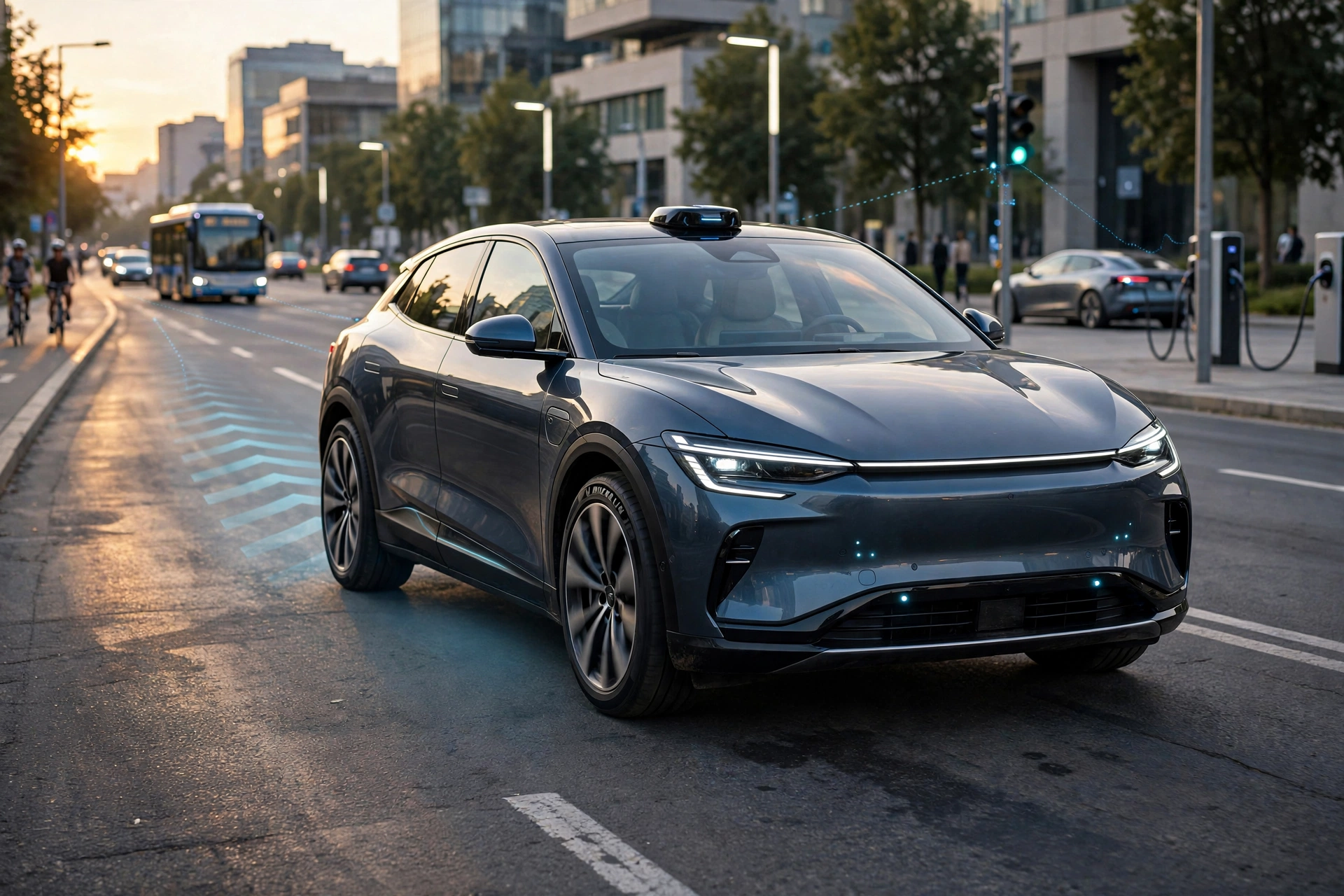
Autonomous driving technology relies on the intersection of cameras, radar, LiDAR, GPS, artificial intelligence, and powerful computers to enable vehicles to understand their environment and make decisions for driving. Existing systems can already help with braking, steering, parking, lane keeping, and highway driving. With appropriate conditions, future systems might be able to take over more driving functions with less human participation.
The technology could enhance convenience and may help prevent some crashes due to human error. But autonomy does have its problems with unforeseen traffic, legislation, cybersecurity, sensor limitations, and public acceptance. The development will be likely to proceed slowly, while manufacturers try to refine the systems’ reliability and increase the contexts where automated driving is safe to do so.
2. Solid-State Batteries
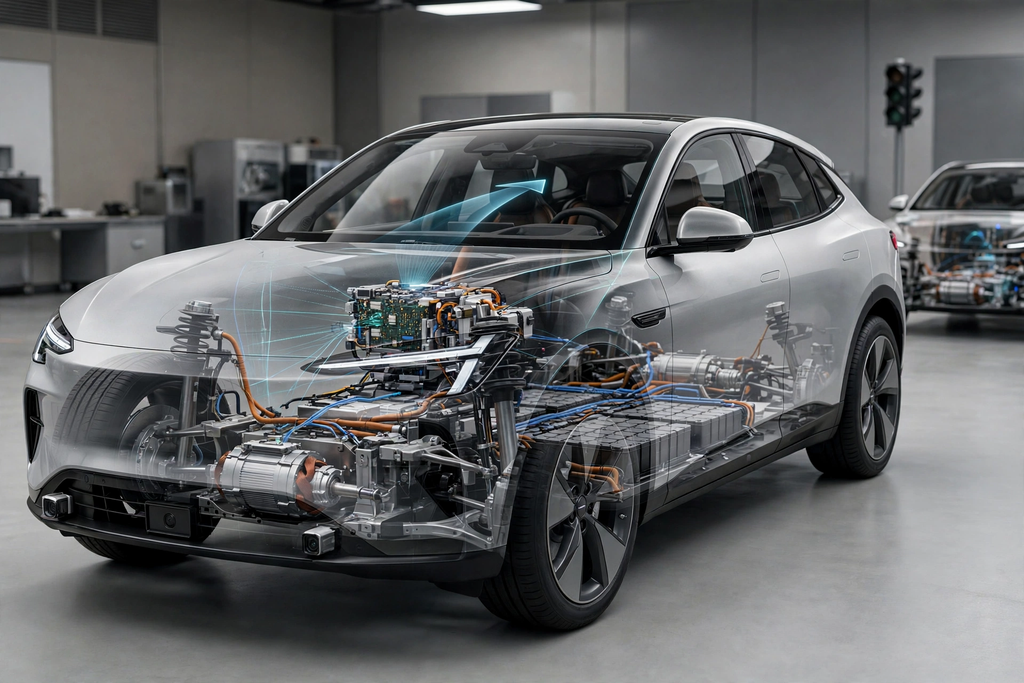
One way to improve on the traditional lithium-ion battery is by developing a solid-state battery. Unlike conventional battery designs, they employ a solid electrolyte instead of a liquid or gel electrolyte. This may offer greater energy storage capacity, increased safety, and performance in EVs.
A solid-state battery would bring a revolution in electric vehicles as it would enable them to travel longer distances and charge quicker, potentially at a lower cost. However, important challenges are the complexity of manufacturing, cost, durability, and production on a large scale. Still, solid-state batteries could be one of the most significant advancements that may be made for future EVs.
3. Vehicle-to-Everything Communication
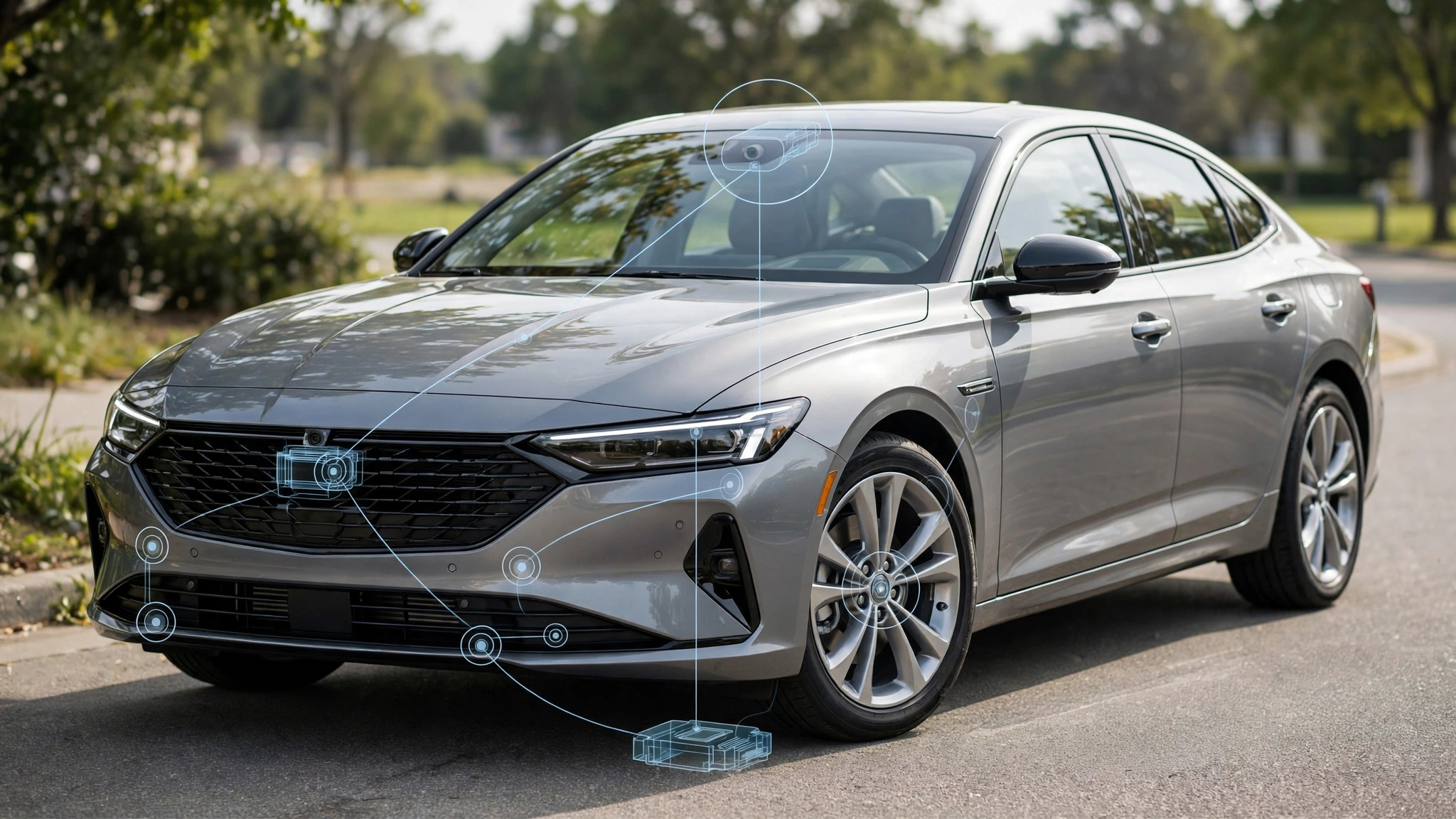
Vehicle-to-everything (V2X) enables vehicles to communicate with one another, traffic lights, the road infrastructure, pedestrians, and communication systems. A connected vehicle could get information about the traffic, road hazards, emergency vehicles, or changing traffic signals before the driver can see them.
By making vehicles aware of information that is not captured by their onboard sensors, V2X could enhance road safety and traffic efficiency. But for widespread uptake, they will need to have reliable communications, common standards, cybersecurity and privacy protection, and cooperation from automakers and infrastructure providers.
4. AI-Powered Vehicle Systems
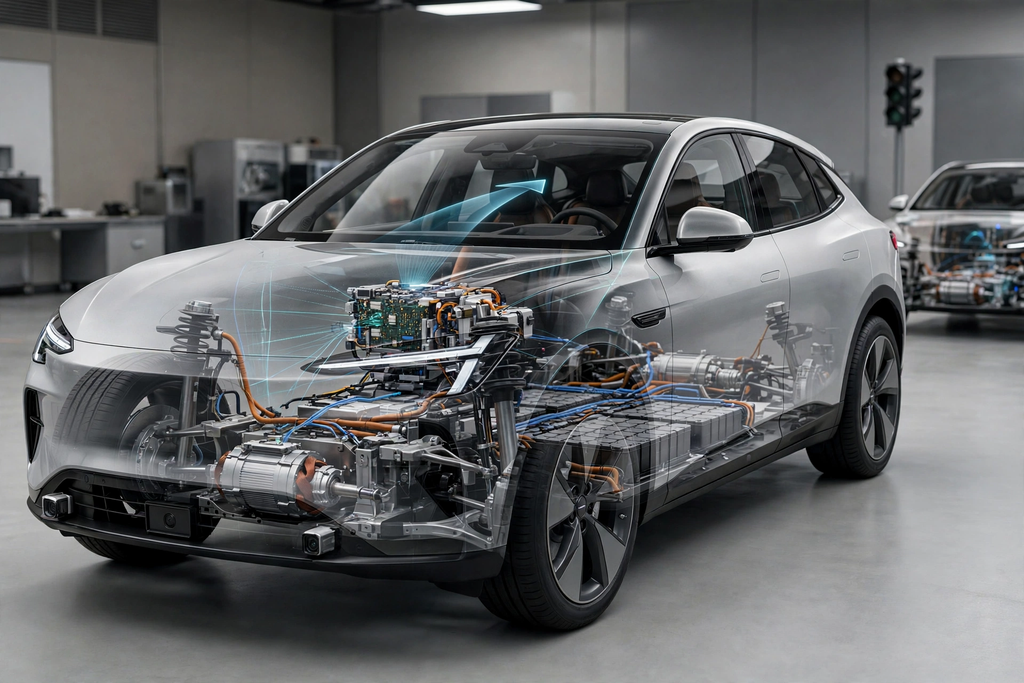
AI plays an ever more significant role in today’s vehicles. AI can analyze data from a camera, sensor, navigation, and driver input to assist with safety, voice assistance, energy efficiency, personalization, and autonomous driving.
The potential of AI systems to identify driving behaviors, anticipate issues, and make automatic adjustments to vehicle systems is a step toward making them more proactive. But automotive AI needs to be thoroughly vetted as poor decisions have safety consequences. Data reliability, cybersecurity, testing, and human oversight are going to continue to be vital.
5. Advanced Infotainment
The infotainment systems in the future may be even more sophisticated than current radio, navigation, and touchscreen technology. Voice commands, AI, cloud-based services, wireless smartphones, and personal digital assistants can all be used by drivers and passengers to communicate with the car.
Other software updates might also add new infotainment functionality after a car has been sold. But automakers must make sure these systems are easy to use, without causing any driver confusion. The ultimate infotainment system should give you required information without distracting you.
6. Augmented-Reality Displays
The augmented-reality screens could display navigation instructions, warnings, speed information, and more in the driver’s line of sight. Drivers would not be required to glance down at a dashboard screen for important information; it would be in their regular field of vision.
This may improve navigation and safety notifications, and may help to keep you from needing to glance off of the road. But displays need to be well-designed to not overstimulate or distract the driver. Systems of the future will require a balance between useful information and simplicity and clarity in presenting.
7. Wireless Charging
Wireless charging could be a boon for EV owners, as it would make the act of charging more convenient if the cars were compatible with such a technology. Drivers might park on top of a charging pad and enable the pad to automatically transfer power to the battery in the car.
The technology may prove very beneficial in homes, in the workplace, and in parking facilities. Charging a vehicle as it drives by, a more advanced concept, might become a reality in the future, but it would need considerable investment in charging stations and development of the technology.
8. Software-Defined Vehicles
In SDVs, software manages and orchestrates numerous vehicle functions. The vehicle owners would no longer get a car with fixed features but would be able to get software updates that can enhance their existing systems or add new features.
Over-the-air updates may minimize some service calls and enable the manufacturer to fix software issues faster. But software-defined vehicles also raise new questions about cybersecurity, privacy, software support, and software reliability.
9. Predictive Maintenance
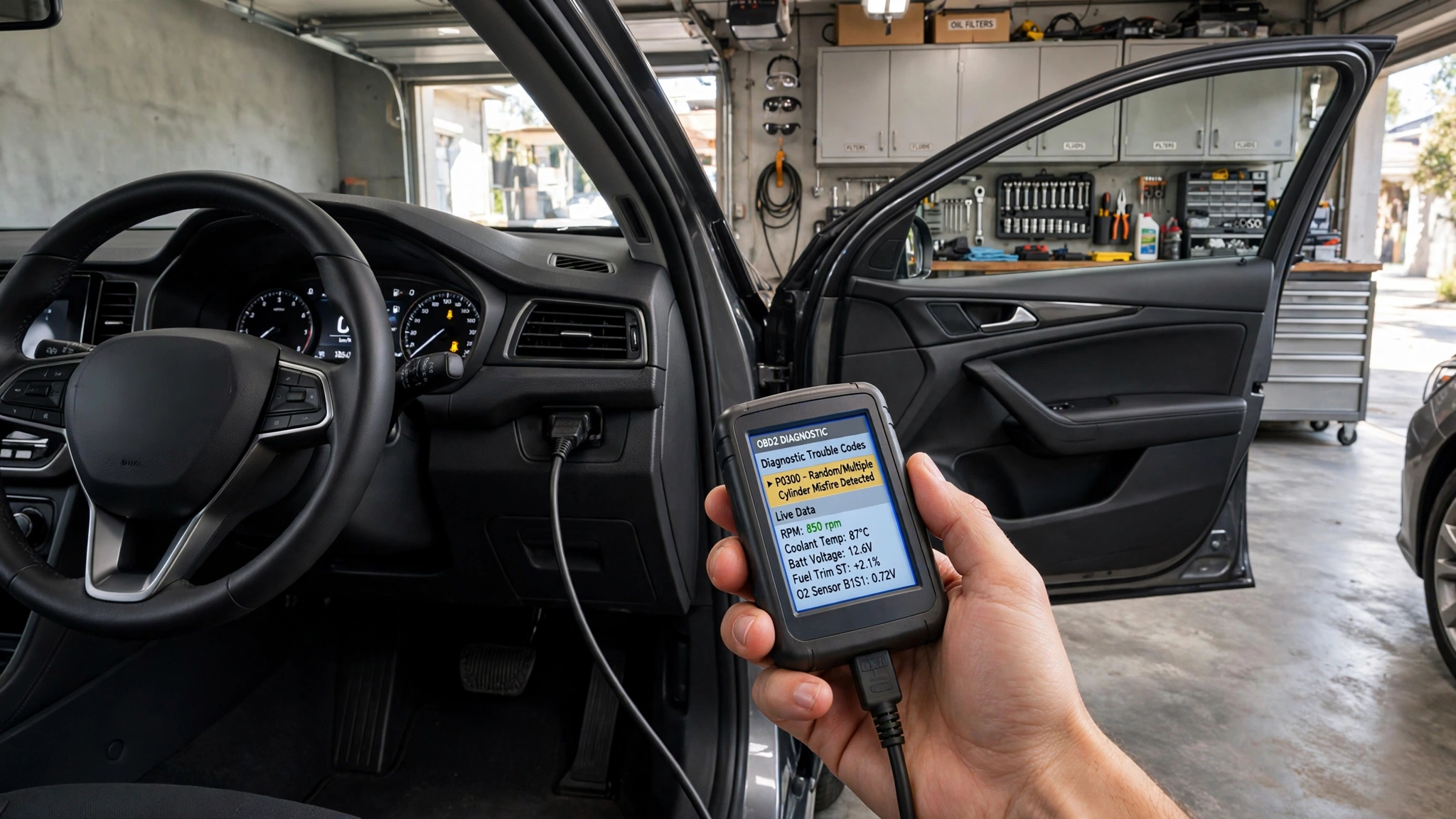
Predictive maintenance relies on vehicle sensors and software to detect patterns that may signal potential mechanical or electrical issues. Instead of failing components warning the owner, the vehicle would be able to alert the owner that maintenance may be required.
This might help to prevent unplanned breakdowns, enhance the reliability of the vehicles, and aid owners in planning maintenance. Predictive systems would also save fleet operators a lot of money due to the fact that they would be able to save time in the diagnosis process and also reduce vehicle downtimes.
10. Intelligent Transportation Systems
ITS are about the integration of vehicles, roads, traffic signals, public transportation, and transportation management. These systems can provide real-time data to assist with traffic monitoring, incident detection, and transportation planning.
The future systems may help to alleviate congestion, enhance emergency response, optimize traffic signals, and improve traffic information for drivers. With the development of Connected and Autonomous Vehicles, Intelligent Transportation Systems could help to develop a more coherent road network.
11. Advanced Driver Monitoring
Driver monitoring systems are designed to assess drivers’ attention and readiness to take control when needed, using cameras and sensors. Artificial intelligence could help future systems to better identify when a driver is distracted or paying less attention to the task.
With the increased number of automated driving capabilities in vehicles, this technology may be particularly relevant. But the manufacturers need to do their part to address privacy issues and to ensure that any driver data is collected and managed responsibly.
12. Vehicle-to-Home Technology
Electric vehicles may be integrated into domestic energy systems in the future. Vehicle-to-home technology enables a home to use electricity from a compatible vehicle, on demand, such as in the event of a home power outage or high electricity demand.
This could make an electric vehicle more than just a mode of transportation. It could be a mobile, energy storage system that can complement solar panels, home batteries, and smart electrical systems. But compatibility, infrastructure, battery management, and cost are also important factors to consider.
13. Intelligent Energy Management
AI and real-time data can help manage energy more efficiently in the future for EVs. Some of the factors that systems might take into account when determining energy needs are traffic, weather, terrain, battery temperature, driving style, and charging sites.
Predicting ranges could be better and drivers more easily select their best routes with intelligent energy management. It might also automatically tune energy usage system optimization; for example, climate control and other energy-consuming systems, to make electric vehicles more manageable and efficient.
14. Advanced Vehicle Personalization
Software and artificial intelligence could personalize the way vehicles are driven in the future. A car can learn and store the likes and dislikes of different drivers, such as favorite seats, climate settings, navigation points, infotainment options, lighting preferences, and driving styles.
Personalization may also improve the comfort and convenience of vehicles, but it also brings privacy concerns to the fore. Automakers will have to empower owners to have more control over data collected and how it’s stored and used.
15. Connected and Cooperative Mobility
Private vehicles could be linked to other modes of transportation such as buses, trains, ride sharing, bicycles, walking, etc. in the future. Digital platforms might enable people to make full trips with information like travel time, traffic, cost, and availability.
This may lead to better transportation efficiencies, especially in urban areas. Rather than the car being a standalone vehicle, the future of mobility may enable it to be part of a “smarter network.”
The Potential Impact of These Technologies on Driving
These technologies could revolutionize vehicle usage and ownership. Cars are emerging as more intelligent, connected, electric, and software-based. Cars are becoming more intelligent, connected, electric, and software-centric. Owners can continually access software updates, maintenance alerts, home and transport infrastructure integration, and more customized services.
New challenges, however, are also generated by technological advances. Infrastructure, regulations, driver education, software support, affordability, privacy, and cybersecurity will all gain in importance. The benefits from advanced technology will not be meaningful unless it is reliable, predictable, and easy for the general public to use.
Conclusion
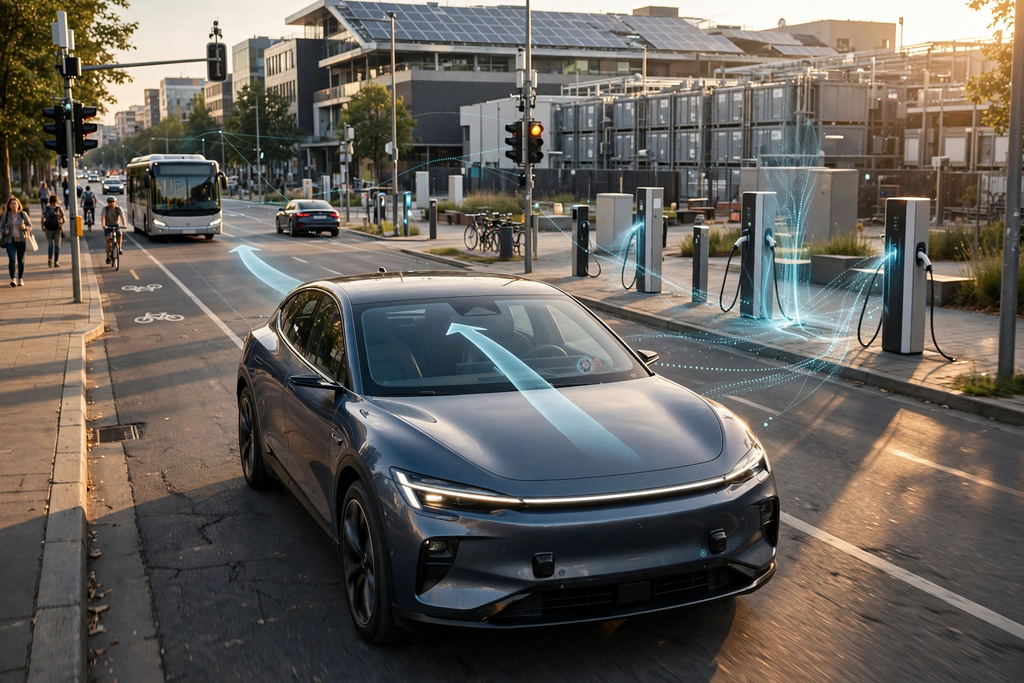
As for future automotive technology, it looks like it will be more of a combination of innovations rather than one game-changer. New technologies such as autonomous driving, solid-state batteries, V2X communication, artificial intelligence, advanced infotainment, augmented-reality displays, wireless charging, software-defined vehicles, predictive maintenance, and intelligent transportation systems may impact the future of vehicles.
While other technologies are still underway, the trend is undeniable: cars are increasingly connected, intelligent, electric, and software-driven. With the development of innovations that can resolve safety, cybersecurity, privacy, and cost issues, these innovations could revolutionize the way people drive, maintain, and interact with vehicles in the future.