Good dental care is an important part of maintaining overall wellbeing. Regular dental visits can help identify problems early, protect your teeth and gums, and support a confident smile. However, choosing the right dental practice can sometimes feel difficult, especially when there are many options available.
A good dentist should provide more than routine check-ups. The right practice should make patients feel comfortable, explain treatment clearly, and offer appropriate care for different stages of life. Whether you need a routine examination, preventive care, restorative treatment, or cosmetic dentistry, finding a practice that suits your needs can make dental visits much easier.
For people living in Sydney’s north-west, accessibility can also be an important consideration. Searching for an experienced Epping Dentist can help local residents find convenient dental care close to home. Likewise, people living or working around the Lower North Shore and surrounding suburbs may consider a Dentist in Ryde when looking for accessible and comprehensive dental services.
Why Regular Dental Care Matters
Many people only visit a dentist when they experience pain. While treating dental problems when symptoms appear is important, preventive care is usually a better approach.
Some dental conditions can develop without obvious warning signs. A small cavity, early gum disease, or minor enamel damage may not cause noticeable discomfort at first. A professional examination can identify these issues before they become more complicated.
Regular appointments can help your dentist monitor changes in your oral health. They can also provide personalised advice about brushing, flossing, diet, and other habits that affect your teeth.
Preventive dentistry is therefore not simply about avoiding toothaches. It is about protecting your oral health over the long term.
What Happens During a Dental Check-Up?
A routine dental appointment can involve several different steps. The exact process depends on your age, oral health, medical history, and reason for visiting.
A dentist may examine your teeth for signs of decay, cracks, worn fillings, or other problems. Your gums may also be assessed for inflammation, bleeding, or signs of periodontal disease.
In some situations, dental X-rays may be recommended. These images can help identify problems that are difficult to see during a standard examination.
Your dentist may also discuss your current oral hygiene routine. Small changes to brushing or flossing habits can sometimes make a significant difference.
The appointment is also an opportunity to ask questions. If you have concerns about sensitivity, tooth grinding, bad breath, gum bleeding, or changes in your mouth, mention them during the consultation.
Finding a Dentist Near Your Home
Location can have a major impact on how consistently you attend dental appointments.
A practice that is close to home, work, or school may make it easier to schedule regular visits. This can be particularly useful for families with children or people who have busy work schedules.
Convenience should not be the only factor, however. A nearby practice still needs to provide the level of care you expect.
When comparing dental practices, consider their services, appointment availability, communication style, facilities, and approach to patient care.
The best option is often a balance between convenience and quality.
What Makes a Good Dental Practice?
Several qualities can distinguish a good dental practice from an average one.
Clear Communication
Dentists should explain treatment in language that patients can understand. If a procedure is recommended, you should know why it may be necessary and what it involves.
Clear communication can also help patients understand different treatment options and their potential benefits.
Comfortable Environment
Dental anxiety is common. A welcoming environment can make a significant difference for nervous patients.
Friendly reception staff, respectful communication, and a calm clinical environment can help patients feel more comfortable.
Comprehensive Services
A practice offering several types of dental care can be convenient. Instead of visiting different providers for every concern, patients may be able to receive multiple services in one location.
Services can include preventive dentistry, children’s dentistry, restorative procedures, cosmetic treatments, emergency appointments, and gum care.
Patient-Focused Care
Every patient has different needs. A good dentist should consider your individual circumstances instead of treating every person exactly the same way.
Your age, dental history, lifestyle, concerns, and treatment goals can all influence the appropriate approach.
Preventive Dentistry for Adults
Adults should not overlook preventive dental care.
Even people who brush and floss regularly can develop dental problems. Lifestyle factors such as diet, smoking, alcohol consumption, stress, and teeth grinding may affect oral health.
Regular examinations give your dentist an opportunity to monitor these factors.
Professional cleaning can also remove plaque and hardened deposits that may be difficult to eliminate with normal brushing alone.
Preventive appointments may reduce the likelihood of extensive treatment later. They also provide an opportunity to receive personalised advice based on the condition of your teeth and gums.
Dental Care for Children
Children require special attention because their teeth and mouths are still developing.
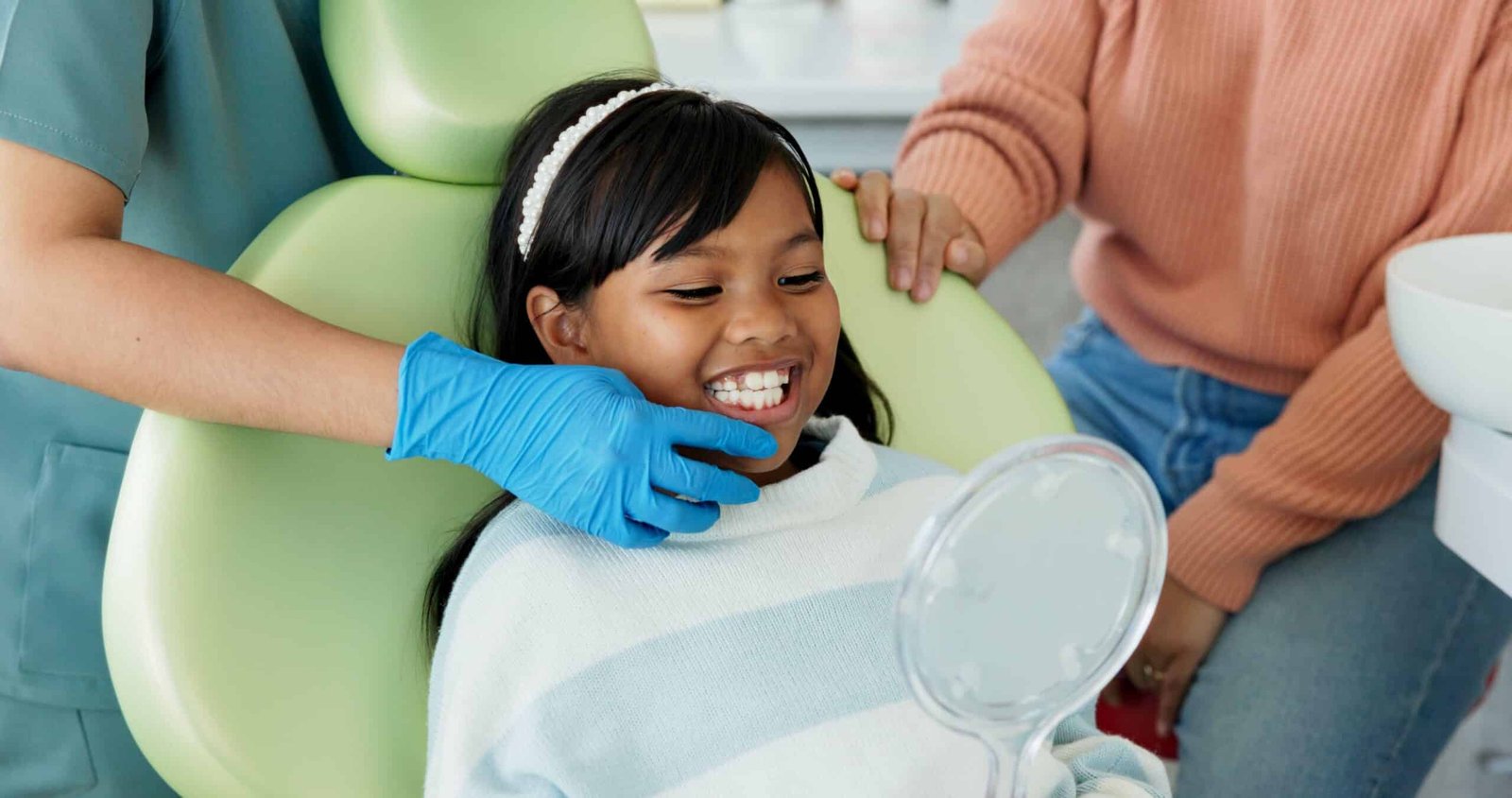
Introducing children to dental appointments early can help establish positive habits. It can also make dental visits seem like a normal part of maintaining health.
Parents should encourage children to brush twice a day using appropriate toothpaste. Flossing should also become part of their routine when their teeth begin touching each other.
Regular dental appointments allow problems to be identified early. A dentist can monitor tooth development and provide guidance about oral hygiene and diet.
Positive experiences during childhood can also reduce dental anxiety later in life.
Understanding Cosmetic Dentistry
Not every dental concern is related to oral disease. Some people are interested in improving the appearance of their smile.
Cosmetic dentistry can address concerns involving tooth colour, shape, alignment, and overall smile appearance.
Common cosmetic treatments may include professional teeth whitening, veneers, bonding, and certain orthodontic options.
However, cosmetic procedures should still be approached carefully. A dentist should assess your oral health before recommending elective treatment.
Healthy teeth and gums provide a strong foundation for cosmetic procedures.
Restorative Dental Treatment
Restorative dentistry focuses on repairing teeth that have been damaged or affected by decay.
Depending on the situation, treatment may include fillings, crowns, bridges, or other procedures.
The appropriate option depends on factors such as the amount of tooth structure remaining, the location of the tooth, and your overall oral health.
Early treatment can sometimes allow a dentist to use a more conservative approach. Delaying treatment may allow a small problem to become more extensive.
For this reason, persistent tooth sensitivity, pain, swelling, or changes in a tooth should not be ignored.
The Importance of Healthy Gums
Healthy teeth are only one part of good oral health. Your gums are equally important.
Gum disease can cause symptoms such as redness, swelling, tenderness, and bleeding. Some people may experience bad breath or gum recession.
In more advanced cases, periodontal disease can affect the structures supporting the teeth.
Regular dental examinations can help identify gum problems early. Your dentist can also recommend appropriate cleaning techniques and professional treatment when necessary.
If your gums regularly bleed when brushing or flossing, speak with a dental professional rather than assuming it is normal.
Dental Hygiene at Home
Professional dental care works best when combined with good daily habits.
Brush your teeth thoroughly twice each day. Use a fluoride toothpaste unless your dentist recommends another option.
Flossing or cleaning between the teeth is also important because toothbrush bristles cannot effectively reach every surface.
Your diet matters too. Frequent consumption of sugary foods and drinks can increase the risk of tooth decay.
Water is generally a better everyday choice than sugary beverages. A balanced diet can also support your overall health.
Remember that oral hygiene is a daily responsibility. Dental appointments are important, but they cannot replace consistent home care.
Managing Dental Anxiety
Dental anxiety can prevent people from receiving necessary treatment.
Some patients may feel nervous because of previous experiences. Others may dislike the sounds, smells, or sensations associated with dental procedures.
Communication can help.
Tell your dentist if you feel anxious. Knowing about your concerns allows the dental team to adjust their approach where possible.
You can also ask questions before treatment begins. Understanding what will happen can make the experience feel more predictable.
Taking slow breaths and arranging appointments at convenient times may also help.
The most important thing is not to allow anxiety to stop you from seeking necessary care.
When You Need an Emergency Dentist
Some dental problems require prompt professional attention.
Severe tooth pain, facial swelling, a knocked-out permanent tooth, significant bleeding, or dental trauma can require urgent assessment.
If a tooth is damaged during an accident, seek professional advice as soon as possible. Quick action may improve the chances of protecting the affected tooth.
A dental emergency does not always involve severe pain. A damaged filling, broken crown, or sharp tooth edge can also require attention, particularly if it affects eating or causes injury to the mouth.
Knowing where to seek care before an emergency happens can save valuable time.
Choosing a Family Dentist
Families often benefit from having a trusted dental practice they can return to over many years.
A family-friendly dentist should be comfortable treating different age groups and understand that children, teenagers, adults, and older patients may have different needs.
Convenient appointment scheduling can also make family dental care easier.
Some parents prefer booking multiple family members on the same day. Others may schedule appointments around school and work commitments.
When choosing a family dentist, consider whether the practice offers the services your household is likely to need.
Location and Accessibility
Sydney’s suburbs can cover significant distances, making location an important consideration.
A dental practice that is easy to reach can make regular appointments more manageable.
Patients should consider parking, public transport, opening hours, and appointment availability when comparing practices.
For residents around Epping and nearby suburbs, choosing an Epping Dentist may provide convenient access to professional dental care without travelling far from home.
Similarly, people around Ryde and neighbouring communities may find a Dentist in Ryde practical for regular examinations, preventive care, and other dental needs.
Convenience can encourage people to maintain consistent appointments instead of postponing them.
Questions to Ask Before Treatment
Patients should feel comfortable asking questions about proposed treatment.
Useful questions may include:
- Why is this treatment recommended?
- What happens if I delay treatment?
- Are there alternative options?
- How long might the procedure take?
- What should I expect during recovery?
- How should I care for my teeth afterwards?
- Are there any risks or complications?
- How can I prevent the problem from returning?
A good dentist should be willing to explain these points clearly.
You do not need to understand every technical term. Your dental team should help you understand the information needed to make an informed decision.
Dental Technology and Modern Care
Modern dentistry has changed significantly over the years.
Digital X-rays, advanced imaging, improved materials, and modern treatment techniques can help dental professionals diagnose and manage many conditions more effectively.
Technology can also improve communication. Digital images may allow patients to see areas of concern and understand why particular treatment has been recommended.
However, technology is only one part of quality dental care.
The experience of the dental professional, accurate diagnosis, appropriate treatment planning, and effective communication remain essential.
Dental Care for Older Adults
Oral health needs can change with age.
Older adults may experience increased tooth wear, dry mouth, gum recession, sensitivity, or other dental concerns.
Some medications can also affect saliva production. Reduced saliva can contribute to discomfort and increase the risk of certain oral problems.
Maintaining regular dental appointments allows changes to be monitored.
Older adults should continue brushing and cleaning between their teeth unless their dentist recommends a different approach.
If mobility or dexterity becomes difficult, a dentist or dental hygienist can suggest practical adaptations.
The Connection Between Oral and General Health
Your mouth is part of your body, so oral health should not be considered separately from general wellbeing.
Poor oral hygiene can contribute to inflammation and infection in the mouth. Certain systemic conditions can also affect oral health.
This is another reason why regular dental care is valuable.
During appointments, tell your dentist about relevant changes in your health and any medications you take. This information can help them provide safer and more appropriate care.
Good oral hygiene, a balanced diet, regular dental examinations, and healthy lifestyle choices all contribute to better long-term wellbeing.
How Often Should You Visit the Dentist?
There is no single appointment schedule that is perfect for everyone.
Some people may benefit from regular six-monthly visits. Others may require more frequent monitoring because of gum disease, a history of cavities, orthodontic treatment, or other risk factors.
Your dentist can recommend an appropriate schedule based on your individual needs.
The important point is consistency.
Even if your teeth currently feel healthy, routine appointments can help detect changes before they develop into larger problems.
The Value of Early Treatment
One of the biggest advantages of regular dental care is early detection.
A small cavity may be easier to manage than extensive decay. Early gum problems may respond better to preventive measures than advanced periodontal disease.
Likewise, identifying a damaged tooth early may reduce the risk of further deterioration.
Many dental problems become more complicated when they are ignored.
If you notice something unusual, do not wait for it to become painful before seeking professional advice.
Building Better Dental Habits
Improving your oral health does not require complicated changes.
Start with the basics.
Brush consistently. Clean between your teeth. Reduce frequent sugary snacks. Drink plenty of water. Attend regular dental appointments.
If you struggle with any part of your routine, ask your dentist for practical advice.
For example, some people find traditional floss difficult to use. Alternatives such as interdental brushes or water flossers may be suitable depending on individual circumstances.
The best oral hygiene routine is one that you can maintain consistently and correctly.
What to Look for in a Long-Term Dental Provider
Finding a dentist should not simply be about choosing the closest practice.
Consider whether the dentist communicates clearly and listens to your concerns. Look at whether the practice offers appropriate services for your needs.
It can also be helpful to consider appointment flexibility and whether the practice is suitable for your entire household.
A strong long-term relationship with a dental professional can make it easier to track changes in your oral health.
Over time, your dentist becomes familiar with your dental history. This can support more personalised preventive care and treatment planning.
Making Dental Visits Part of Your Routine
Many people postpone dental appointments because they are busy.
Work, school, family responsibilities, and other commitments can make healthcare appointments difficult to schedule.
However, regular dental care should be treated as part of your normal health routine.
Setting reminders can help. Booking your next appointment before leaving the practice can also prevent long gaps between visits.
If you have children, making dental appointments part of their normal healthcare routine can help establish lifelong habits.
Consistency is often more valuable than waiting until a problem becomes urgent.
Final Thoughts
Choosing the right dentist is an important decision for individuals and families. The ideal practice should combine professional care, clear communication, convenience, and a patient-focused approach.
Regular examinations can help identify dental problems early. Preventive care can protect your teeth and gums. Good daily habits can support the results of professional treatment.
Whether you are searching for an Epping Dentist or considering a Dentist in Ryde, take the time to find a dental practice that matches your needs and makes you feel comfortable.
The goal of dental care is not simply to treat problems when they occur. It is to build and maintain a healthy mouth for years to come. With consistent professional care and good habits at home, you can give your teeth and gums the attention they deserve.