Introduction
Tesla Charging Guide compares Supercharger vs home Wall Connector vs Destination Charging for speed, cost and daily convenience, helping you pick the best option. At home Tesla owners may use a Wall or Mobile charger, for longer trips they can use Superchargers, and while out they may use Destination chargers at hotels, restaurants, shopping centers etc. Also each of these options has different performance in terms of charge speed, cost, and benefit.
These issues are best clarified by understanding what the options are which in turn makes it easy to see which charging solution best fits your lifestyle. For the great majority of Tesla owners home charging is the go to option for their daily commute and in terms of long distance travel Superchargers are the way to go. Tesla’s info on Tesla charging options is a great resource which details the company’s home and public charging solutions.
Tesla Wall Connector
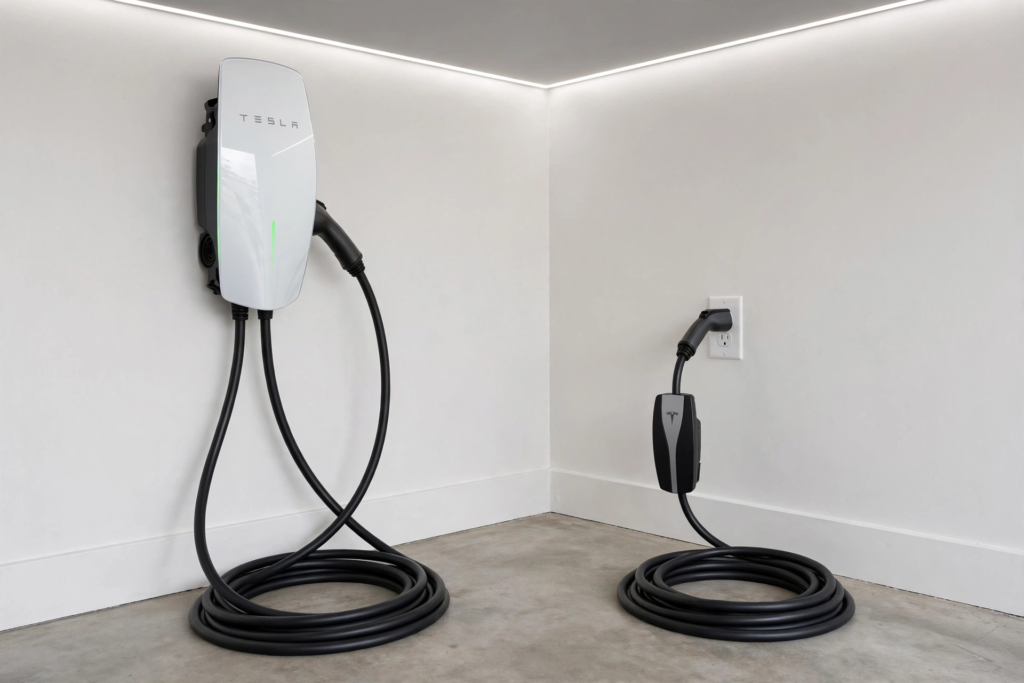
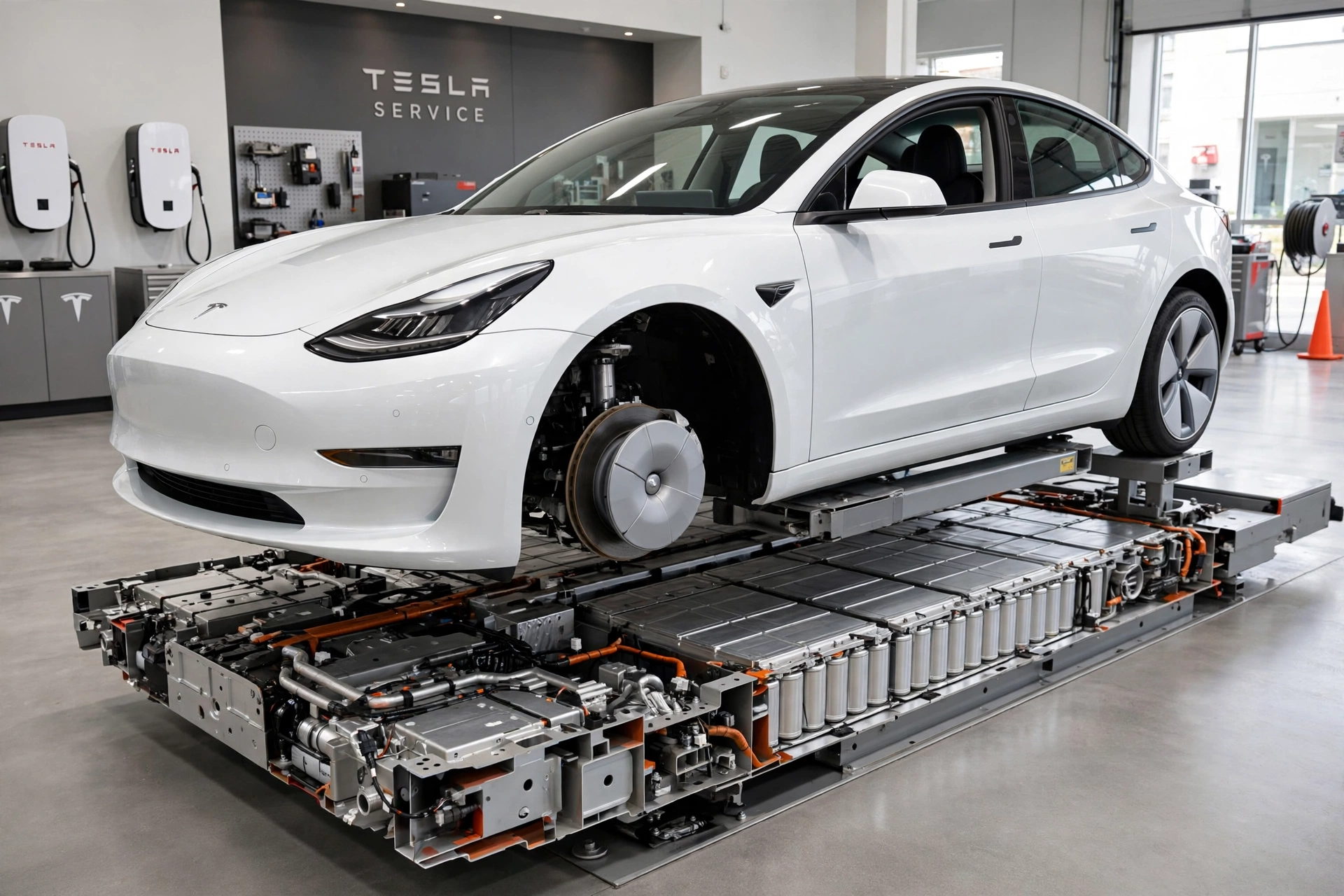
Tesla’s Wall Connector is an excellent choice for those that charge at home. It is a permanent Level 2 AC charger which delivers up to 11.5 kW under right electrical conditions. Tesla reports charging of up to about 44 miles of range per hour for some models, which in practice may differ by model and electrical setup.
The greatest benefit is convenience. You can pull up to your garage and plug in your Tesla which will charge while you sleep. For those that park at home regularly this can make charging a non issue. Installation prices go off the home’s electrical setup and the work that is needed so it is recommended you get in touch with a licensed electrician for an estimate.
Tesla Mobile Connector
The Tesla Mobile Connector is an alternative to the Wall Connector. It is designed to be put into compatible home outlets, which makes it great for renters, travelers, or people that do not want a permanent charging option. Home outlets are also a very slow option which may only give you 2 to 3 miles of range per hour.
Using a 240V outlet will see the Mobile Connector perform much better, also Tesla reports that in some cases it may put out as much as 30 miles of range per hour which varies by vehicle and outlet. While it is a little slower than a Wall Connector it is very handy for travelers or those which already have access to a 240V connection.
Tesla Superchargers
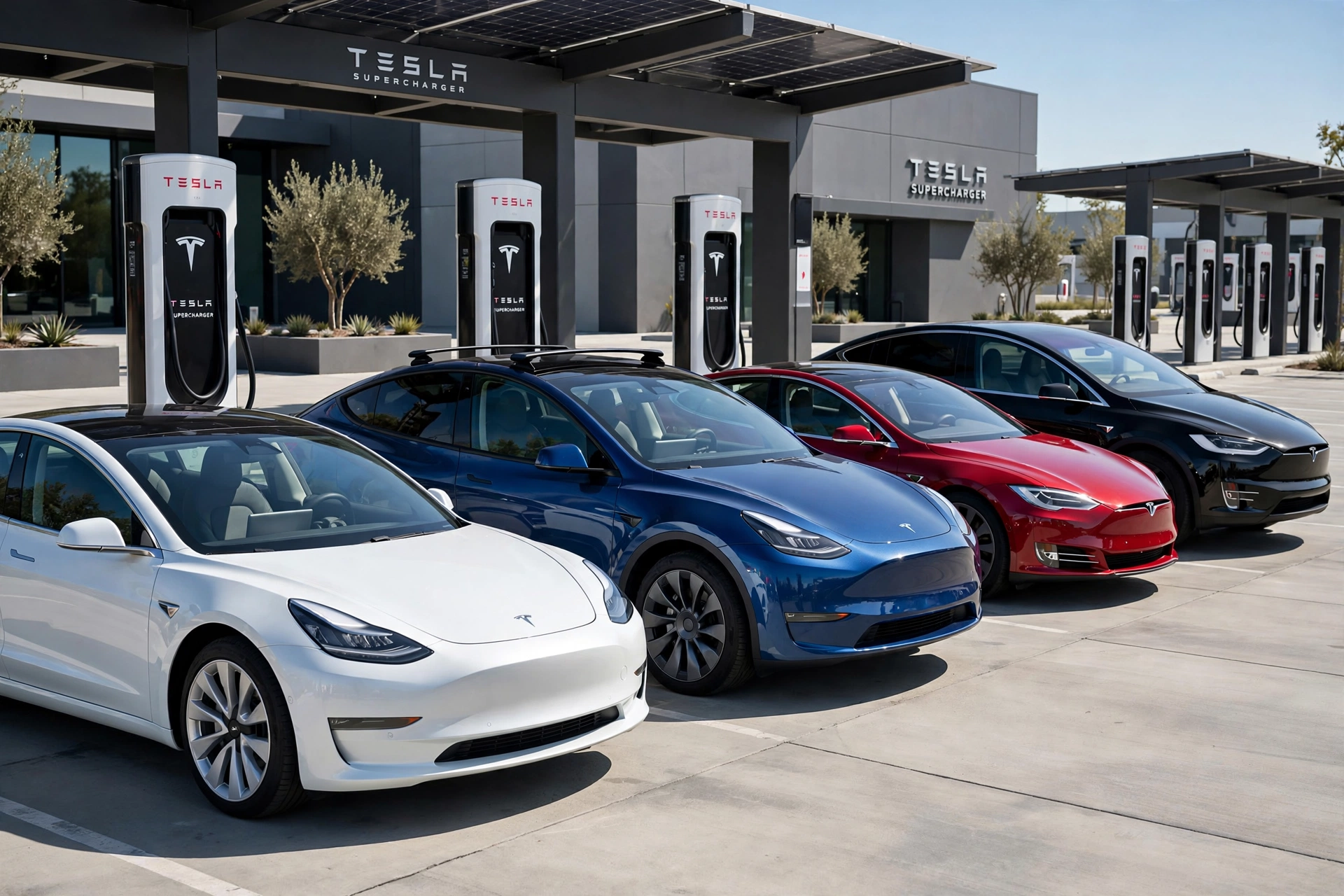
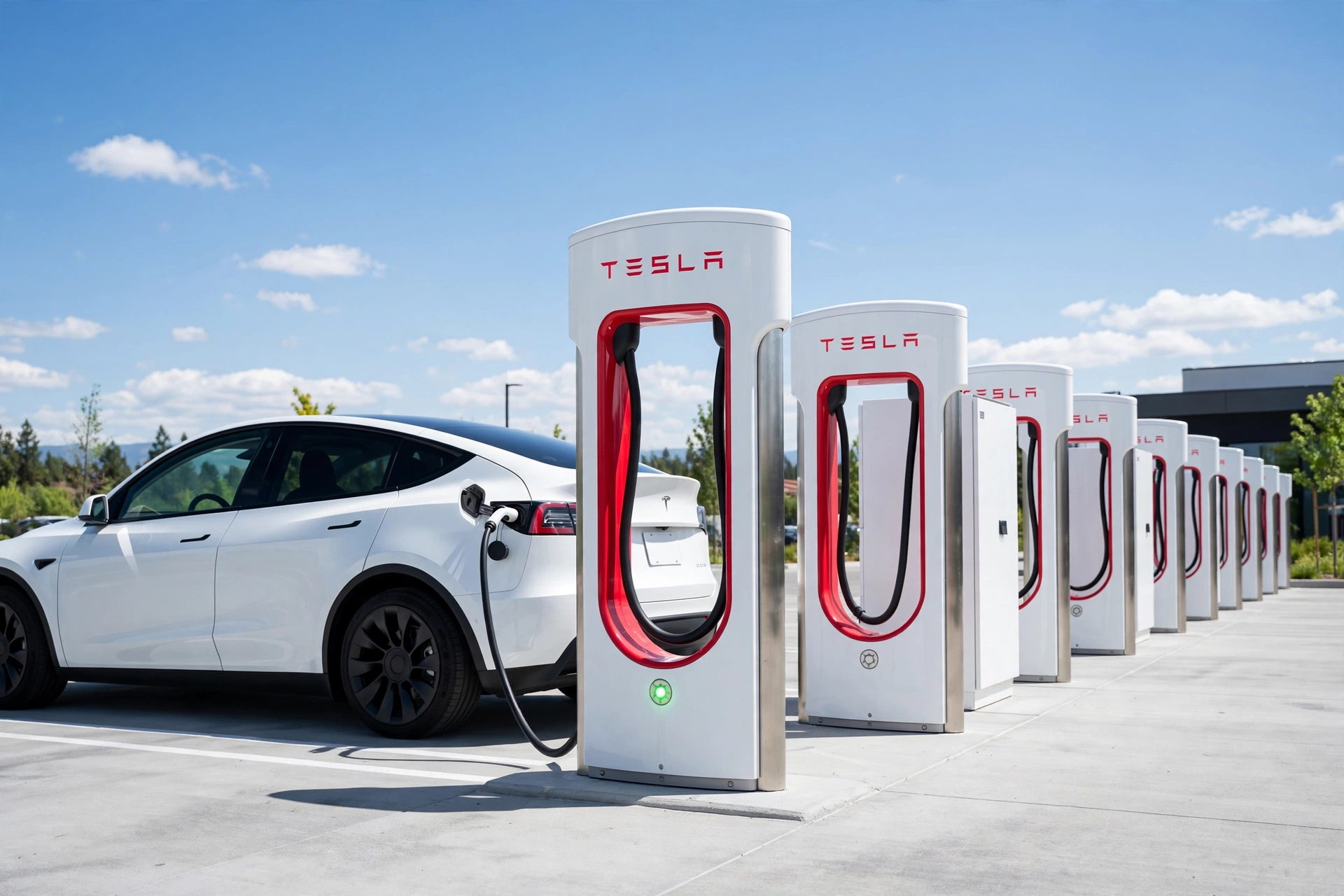
Tesla’s primary focus is on fast public charge which is what you get with Superchargers in particular during road trips. We see that Superchargers differ from home AC charging which is a slower process instead Tesla uses DC fast charge which goes straight to the car’s battery. Also it’s worth noting that Tesla’s top Superchargers are able to put out hundreds of kilowatts to compatible cars, but in fact what you get out of that charge session depends on the Tesla model, battery temperature, what percent charged the battery is to begin with and other variables.
Supercharge performance is best when the battery is at a lower state of charge. As the battery fills up charging speed decreases which is why we don’t usually recommend waiting till 100% during a road trip. Also Tesla’s navigation system is to put forth charging station recommendations which will give you enough of a charge to get you to your destination and at the same time will minimize wait times.
Tesla Destination Charging
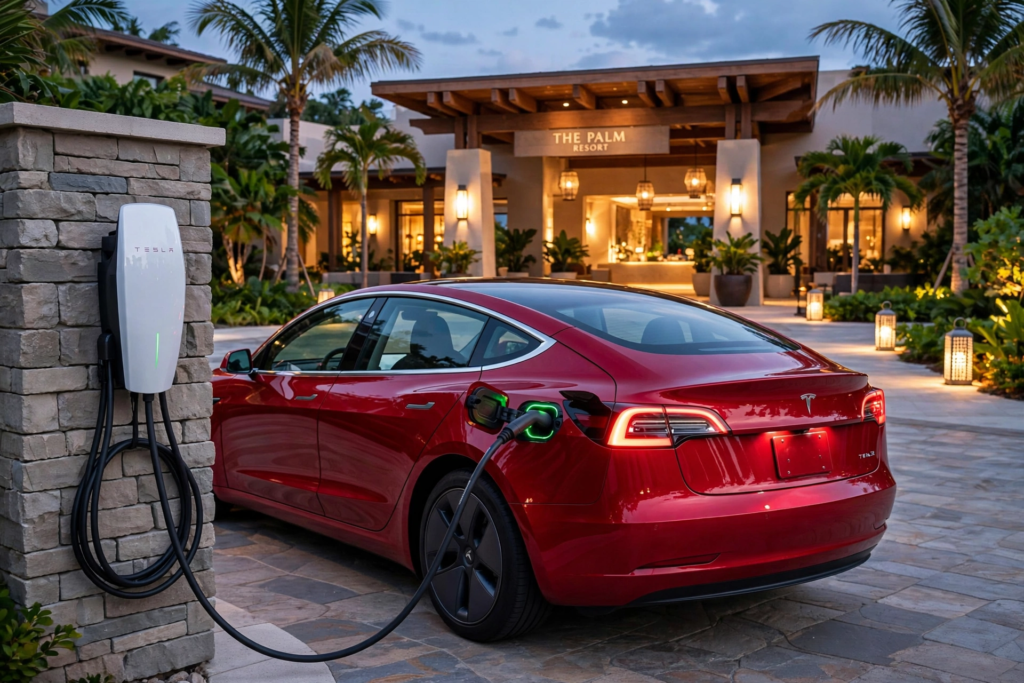
Destination Chargers which are for places that drivers have planned to visit. We see them at hotels, restaurants, resorts, shopping centers and other points of interest. While they don’t offer the very fast charge of a Supercharger, they allow the Tesla to charge as you eat, shop, stay the night or partake in any number of activities.
Destination Charging also reports to have a charging speed of up to an average of 44 miles of range per hour for eligible cars which in turn is based on the install type and Tesla model. Some sites include charging as a service for customers but in other cases they may charge a fee. As price and availability is a variable which changes from place to place, it is recommended that drivers check the Tesla app before they depend on a particular location.
Tesla Charging Connector Types
Connector types may be confusing which is due to different charging standards by region. In North America Tesla uses the North American Charging System which is also known as NACS and has become the SAE J3400. This connector which supports both AC and DC fast charging is used by Tesla’s Wall Connectors and Superchargers.
J1772 is also a very common type of AC charging port in North American markets. Tesla cars can use J1772 charging stations which are compatible with the right adapter. Also Tesla provides what they term as the Universal Wall Connector which is meant for both NACS and J1772 vehicles. What wall mount adapters will work may vary by model of Tesla and which region you are in so it is best that owners check to make sure the charger or adapter is right for their particular Tesla.
Tesla Charging Speeds Compared
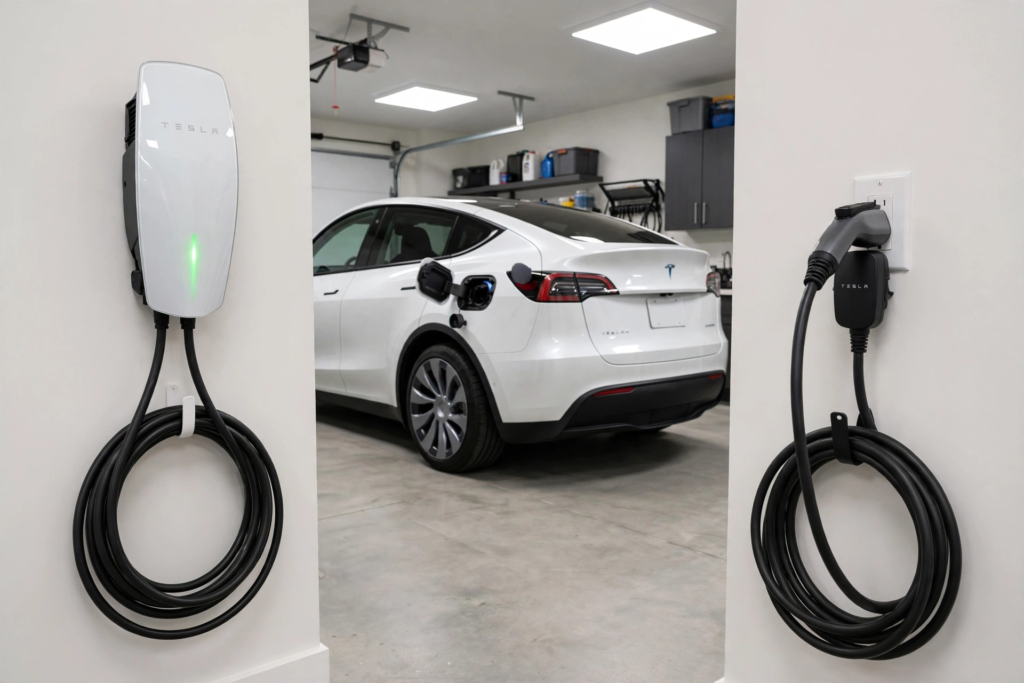
Charging speed is a function of which equipment is used. In home we see that a standard outlet is the slowest which in turn gives you only a few miles of range per hour. A 240 volt Mobile Connector sets a better pace, also a Wall Connector which can put out to 11.5 kW. At your destination you will find similar AC charging performance.
Superchargers perform better due to the use of DC fast charging. Also it isn’t true that which has the greatest maximum output is the best choice for charging your Tesla. The car’s system determines the charge rate which in turn is based on the battery temperature, what the battery percentage is, and the vehicle’s make up. In that sense what you choose as the best charger is which one gives what you need in terms of charge speed as opposed to which has the highest posted power.
Tesla Charging Costs
Home charge rates are a function of the local electricity price. To assess what this will be for you, out of which the total is before additional charges, determine the product of the number of kilowatt hours you use and the price you pay per kilowatt hour. For instance, 50 kilowatt hours at a rate of 7.50 before we include charging losses, taxes and other add on charges.
Supercharger costs fluctuate based on location and at what time. In some locations Tesla charges per kWh while in others by time which may see changes with the season or time of day. Also some stations may post different rates based on demand at the moment. As we do not have a set universal price for Superchargers the Tesla app and car touch screen should be looked at for the current rates. Also what you will pay per mile also depends on your Tesla’s efficiency.
Home Charging vs. Supercharging
Home charging is for daily use which is the best option if you have a proper place to park and the electricity hook up. A Wall Connector we put in at home will charge the Tesla while we sleep so the owner doesn’t have to go to public stations for charging. Also it may be cheaper than public fast charging if the local electricity at home is more affordable.
Supercharge your vehicle when time is of the essence during travel. It allows for increased range at a short notice which is very beneficial on long trips. While you might pay more for this service than for charging at your home, the value of the time you save often makes the extra cost worth it.
Which Tesla Charging Option Is Best?
For the large part a Wall Connector is what Tesla owners use which is great for home parking. They get quick enough charge for every day use and the car charges while you are at work. The Mobile Connector is a good option which we see often for those that value convenience, which is the feature of portability or that which already has a 240 volt outlet. Home charging for everyday use, Supercharging for long trips, and Destination Charging at available rest stops.