BMW reliability is one of the biggest concerns for anyone considering buying a new or used BMW. BMW is one of the world’s most renowned luxury car brands that are known for their sporty, yet high level of comfort. The brand’s reputation for its responsive handling, high-performance engines, and cutting-edge technology is well known to many drivers. But, in spite of its reputation, one question that still lingers in the minds of new and used car buyers is, ‘Are BMW reliable’? One of the largest apprehensions of people with a desire to buy BMW is that luxury vehicles tend to be more costly to maintain and repair. It is crucial to get a grasp of BMW’s long-term performance before making a decision to invest in it.
But it’s not that easy to simply say BMW is reliable or unreliable. The brand is known for making some great long-lasting models, and some engines and years were notorious. While opinions online are not a reliable indicator, a number of independent studies, such as J.D. Power, Consumer Reports and owner surveys, offer more accurate information. Researching what BMW stands for also enables buyers to find out more about the brand’s lineup, and which models are the most reliable. Comparing trusted reliability data is much easier to find out if you’re willing to buy a BMW.
What Makes BMWs So Reliable?
Reliability has more to do than just a car starting the next morning. It contains frequency of repairs, cost of repairs, durability of the engine and transmission, and reliability of electronic systems after years of operation. BMW cars have been designed with the latest technology and performance elements, so they need to be maintained properly to deliver the best performance. Luxury cars have more intricate systems, of course, that require regular servicing when compared to economy cars.
BMW’s image has definitely improved over the last 10 years. Older models were not so popular because of their poor cooling system, oil leaks, and timing chain problems, but many newer models have overcome these shortcomings with better engineering and manufacturing. Newer BMW engines and drivetrains are far more reliable than older versions, particularly if owners adhere to the maintenance guidelines.
J.D. Power Reliability Ratings
Vehicle dependability is determined by the number of problems that owners run into during the first few years of ownership, according to J.D. Power. The ratings are based on actual owners’ experience and not manufacturer claims, and give a realistic impression of long term reliability. In recent years, BMW continually ranks around or above the average for luxury brands, and has made a huge improvement compared to its previous reputation.
Also, the ratings indicate that reliability varies from one BMW model to another, and not all of the models in the brand are equally reliable. The dependability scores for the popular models are generally higher than those of some specialty or early production models, but higher than the scores for the 3 Series, X3, and newer 5 Series. The fact that this is becoming common knowledge is a testament to the fact that people are going out of their way to research the model and year they are looking for and not just the BMW brand.
Consumer Reports and Owner Surveys
Consumer Reports gathers data from hundreds of thousands of cars and is one of the most trusted sources for auto reliability information. BMW has recently climbed steadily through the ranks of reliability, having a number of its newer models earn above-average ratings in recent surveys. Additionally, the organisation reports that careful maintenance can make a big difference in ensuring the reliability of BMW vehicles over time.
These are confirmed by owner surveys where large numbers of drivers are very satisfied with the service they receive when it is carried out at the right time. Generally, maintenance is a bit more expensive than other brands on the market, but many owners feel that the driving experience is worth the extra cost. These surveys also show that neglected BMWs experience more issues as compared to complete serviced BMWs.
Most Reliable BMW Models

BMW 3 Series
The BMW 3 Series is regarded as one of the most reliable cars for BMW buyers to choose. The modern engines boasting the B48 4-cylinder or B58 6-cylinder options deserve a good reputation for their durability yet maintain the sporty nature that BMW is renowned for. The cars are also engineered with the latest transmissions and cooling systems, which eliminates many of the problems that are common in older vehicles.
Owners often comment on the 3 Series’ blend of performance, comfort, and longevity. While routine maintenance is necessary, well-maintained models can survive past high mileage with no major engine or transmission problems. The pairing makes the 3 Series one of the best BMWs for drivers who are looking to buy one or those who have owned one for a long time.
BMW X3
The BMW X3 is one of the most reliable BMW SUV. It provides high quality comfort, space and durable turbocharged engines with high reliability that proved to be very successful in recent production years. The X3 offers families the combination of practicality and the deluxe amenities they expect from BMW.
A lot of the owners say that they do not have significant mechanical problems if they maintain their car in a timely manner. The B48 and B58 engines are particularly well known, and recent X3 models offer excellent value to those looking for a luxury SUV that will offer them a reliable long-term investment.
BMW 5 Series
Newer generations have brought about more powerful engines and enhanced electronic systems that have improved the BMW 5 Series’ reliability. Often there were problems with the cooling system and electronics in older models, however, many newer models have shown to have a great longevity when maintained properly.
The 5 Series is designed to be comfortable for executive use, but still reliable and dependable. Selecting a well-maintained one with a history of service can definitely enhance proprietor fulfillment and lessen the dangers of costly fixes and repairs in the future.
BMW Models and Years to Avoid
Early N20 Engine Models
When reliability is discussed, some BMWs that use the early N20 turbocharged 4-cylinder engine come into mind. Several of these vehicles had timing chain guide failures which may lead to major damage unless repaired in a timely fashion. Anyone interested in purchasing one of these models should make sure the timing chain is updated or replaced.
While a later production year resolved many of these issues, early N20 powered cars are still high risk purchases with no repairs documented. A comprehensive inspection and history of maintenance are particularly crucial before purchase of one of these models.
Early Turbo V8 Models
There were a number of previous BMW V8 engines that had made excellent performances but at the same time, could be problematic in areas such as oil consumption, cooling systems and valve stem seals, which are costly to fix. These engines are labor intensive and complex, making repair time and costs moderately high.
Buyers who are primarily looking for reliability are more likely to find that BMW’s 6-cylinder engines are a more reliable long term investment. Those who want to go faster will have to accept a higher price for maintenance over the car’s lifetime with the V8 models.
First-Year Production Vehicles
In some cases, the first year of production models have more fluctuations than the vehicles built later in the same production year. It can take years for manufacturers to fix any problems that got raised by new engines, electronics and infotainment systems.
Generally, BMW vehicles manufactured after a few years on the road will be more reliable since many of the design issues that can be addressed have been addressed and fixed through engineering changes or better manufacturing techniques.
Factors That Affect BMW Reliability
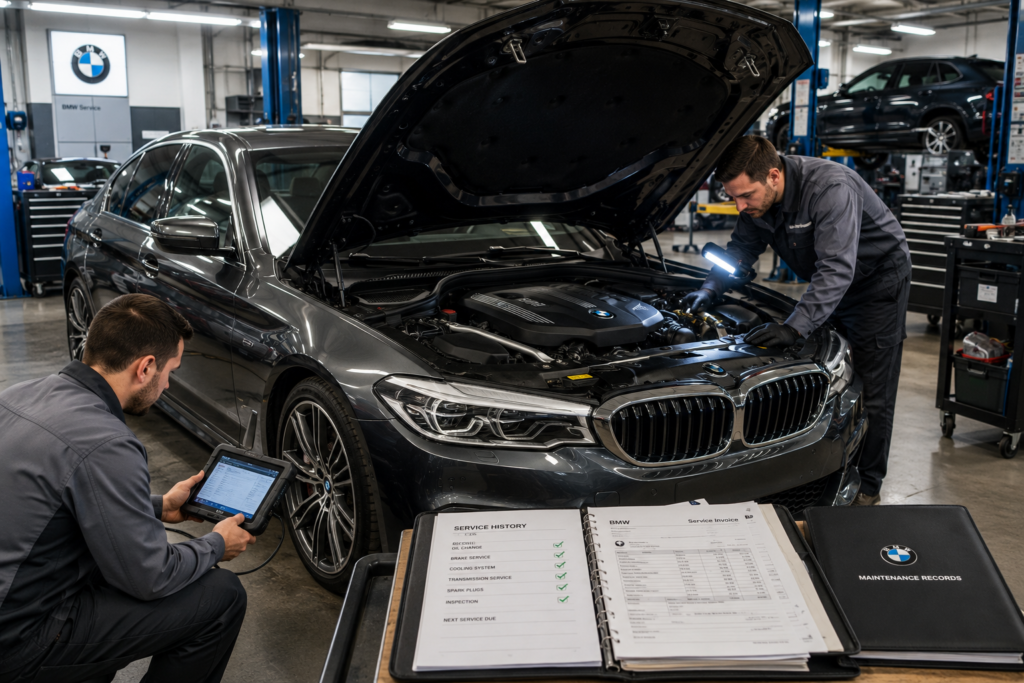
Of all the factors affecting BMW reliability, the most important one is maintenance. Many costly mechanical problems can be avoided with the help of regular oil changes, cooling system checks, transmission service and timely repairs. The failure to pay attention to warning lights or to undertake regular maintenance repairs is likely to result in increased repair costs that could otherwise have been prevented.
Use of the vehicle also has a long-term impact on durability. The major components are protected from wear by gentle driving, by ensuring the engine is warmed up to operating temperature and by observing recommended service intervals. There are numerous cases of well-kept BMWs that have passed the 200,000-mile mark and still provide that famous BMW driving pleasure.
Is BMW Reliable Compared to Other Luxury Brands?
BMW is competitive in today’s modern reliability tests when compared to other European luxury brands. Depending on the BMW and the year it was sold, many of these new models may be comparable to the performance of the Mercedes-Benz and even beat some of the Audi models. Historically, Lexus has had the reputation of being the best in terms of longer reliability, though over the last 10 years, BMW has got close.
When choosing between brands, it is important to do so between models and production years, not brands. Well-kept and well-maintained BMWs with a history of reliability are better investments than poorly cared-for rivals from other luxury brands. A maintenance record can often be more important than the hood’s badge.
Tips for Buying a Reliable Used BMW
The first step for researching is always to find out what model year and engine type a vehicle has, before comparing prices. A car with a complete history of servicing is a good sign for the buyer as they will have fewer chances of a big mechanical issue coming up later. A professional pre-purchase inspection will discover oil leaks, wear on the suspension, problems with the cooling system and electronic problems before the sale is done.
Also, if possible, the models should be fitted with either of the engines used by BMW, B48 or B58. These engines have developed a very good reputation for performance and reliability. In conjunction with regular maintenance, good driving practices, they offer one of the best ownership experiences in the BMW range.
Conclusion
In the last 10 years, BMW has made great strides in reliability. While a handful of specific model years and older engines have problems with timing chains, cooling systems, and oil leaks, many of the newer BMW models excel at J.D. Power studies, Consumer Reports ratings and owner satisfaction surveys. The newer engineering in the brand has helped to produce far more reliable vehicles than ever before.
If you are willing to take care of your BMW cars correctly, they can be a beneficial long-term investment. Choosing one of the brand’s most dependable models, sticking to the good years of production and buying a car with a full service record definitely enhances the car ownership experience. Investigating and proper care may help a BMW to offer the driving excitement and reliability that many buyers would expect from a high-end luxury vehicle.