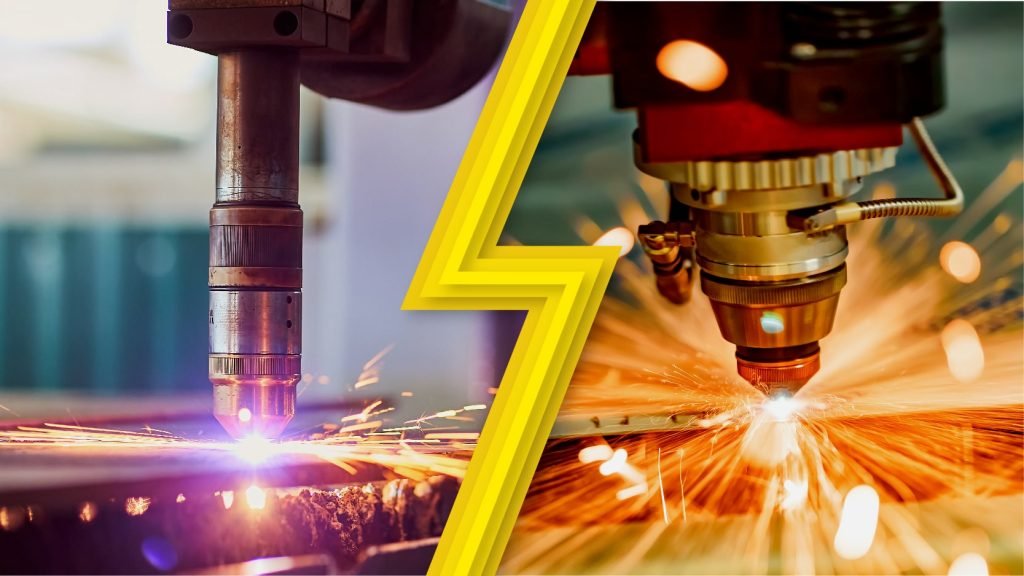
Manufacturing businesses today rarely rely on a single type of equipment to get the job done. Instead, most successful operations combine different cutting technologies suited to the specific materials they work with. Two examples that continue to gain popularity across different industries are systems designed for fabric processing and equipment built for heavy-duty metal cutting, each solving very different production challenges.
The Growing Role of Textile Laser Systems
For businesses working with large volumes of fabric, an industrial textile laser setup has become a practical solution for achieving speed without sacrificing quality. Unlike manual cutting methods, which can leave frayed edges or inconsistent shapes, laser-based cutting uses precise, concentrated heat to slice through material cleanly, even on complex or layered designs.
This matters especially for manufacturers producing items like automotive interior components, upholstery, or technical textiles, where consistency across thousands of units is essential. Because the process is automated, it also reduces the dependency on highly skilled manual labor for repetitive cutting tasks, letting experienced staff focus on quality control and finishing work instead.
Where Plasma Cutting Takes Over
While laser systems handle fabric with precision, a completely different set of demands comes into play once metal enters the picture. This is where CNC plasma cutting machines shine, offering a fast and cost-effective way to cut through thick steel, aluminum, and other conductive metals that would be far more difficult — or expensive — to process with a laser alone.
Plasma cutting works by using a high-velocity jet of ionized gas to melt through material, making it especially popular in industries like structural steel fabrication, shipbuilding, and heavy equipment manufacturing. Businesses that rely on this technology often value it for handling thicker materials at a lower operating cost compared to some alternative cutting methods, without giving up much in terms of cut accuracy.
Combining Technologies for Broader Capability
Manufacturers that serve multiple industries, or that simply want to diversify their production capabilities, often find real value in having both types of equipment available. A facility equipped with both fabric-focused laser systems and metal-focused plasma cutting technology can take on a wider variety of contracts without outsourcing parts of the job, which improves turnaround times and overall profitability.
For businesses exploring these options, suppliers like AM.CO.ZA provide access to equipment suited for different production scales, helping manufacturers choose machinery that matches both their current workload and future expansion plans.
Final Thoughts
Whether a business is focused primarily on textiles, metal fabrication, or a mix of both, understanding the strengths of each cutting technology helps avoid costly equipment mismatches. As demand for faster, more precise manufacturing continues to grow, working with an established supplier such as AM.CO.ZA can make it easier to build a production setup capable of handling diverse materials without compromising on quality or efficiency.