Introduction
Accounts Payable (AP) is more than just a process of receiving invoices and making payments. It is a key component of financial management because it can impact the amount of cash a business has on hand, the accuracy of its expenses and the timeliness of vendors’ payments. Without a streamlined and efficient accounts payable process, even the smallest error can escalate into a costly issue. In all three cases, a duplicate payment could be a waste of cash, an invoice may be missing and lead to an undue expense, and payment terms may be incorrect, which could result in penalties or unearned discounts. These issues can also negatively impact supplier relations, particularly if suppliers are regularly paying late or there’s multiple information being sent to them. A dependable accounts payable system can assist companies manage costs, guard working capital, keep precise monetary records, and establish trust with the vendors that aid the company day-to-day operations.
A lot of accounts payable mistakes are caused by the use of manual methods, confusion on responsibilities, inadequate documentation and poor approval procedures. If there is a variation, for instance invoices might be received via email, paper mail, vendor portals or employee messages. In the absence of any clear process for doing so, key pieces of paperwork can be lost or double processed. Likewise, if someone is unsure who is responsible for reviewing, approving and scheduling a payment, an invoice may not be paid until the invoice is due. Such issues do not occur just in large organizations. For small businesses, an overpayment or late invoice can cause a lot of cash flow issues as they are not as financially flexible. By establishing a formal and consistent accounts payable workflow, these risks can be minimized and management will have more visibility of future accounts payable.
Why is Accounts Payable Accuracy important?
Effective AP management benefits from both the immediate control of cash flow and also for the business’s future. Each invoice is a commitment which needs to be checked, entered and settled based on the agreed terms. If the invoice processing is done correctly, the business can forecast its future cash needs and make payments accordingly, without putting undue strain on the cash. But if the processing is not done correctly, or in a timely manner, it will be hard to determine how much cash is actually available. A company can think that it has enough cash for its payroll, inventory, expansion or other necessities, but only to realize that a few outstanding invoices are coming due. Because of this lack of visibility, clients may make hasty financial choices, take out loans on the spot, or even be late with their payments. Good payables records also help to ensure that accurate financial statements are produced by ensuring that expenses and liabilities are recorded in the right accounting periods.
A good payables workflow should provide a standardized procedure for the flow of invoices from receipt to review and approval to payment and recordkeeping. The workflow will set down a proper procedure and take responsibility for each step, rather than leaving it up to employees to work out individually. This has made it simpler to find out what information is missing, to prevent incorrect payments, and to track all your invoices. It also helps the management to obtain helpful information regarding the outstanding liabilities, upcoming due dates and expected cash requirements. Proper workflow means employees don’t have to waste time looking for invoices, or settling payment disagreements. Vendors also get timely and predictable payments as this helps in their business to grow. This leads to improved internal financial control, cash flow forecasting, fewer errors in the process and more reliable business relationships.

Common Accounts Payable Errors That Create Financial Problems
Duplicate Bill Payments
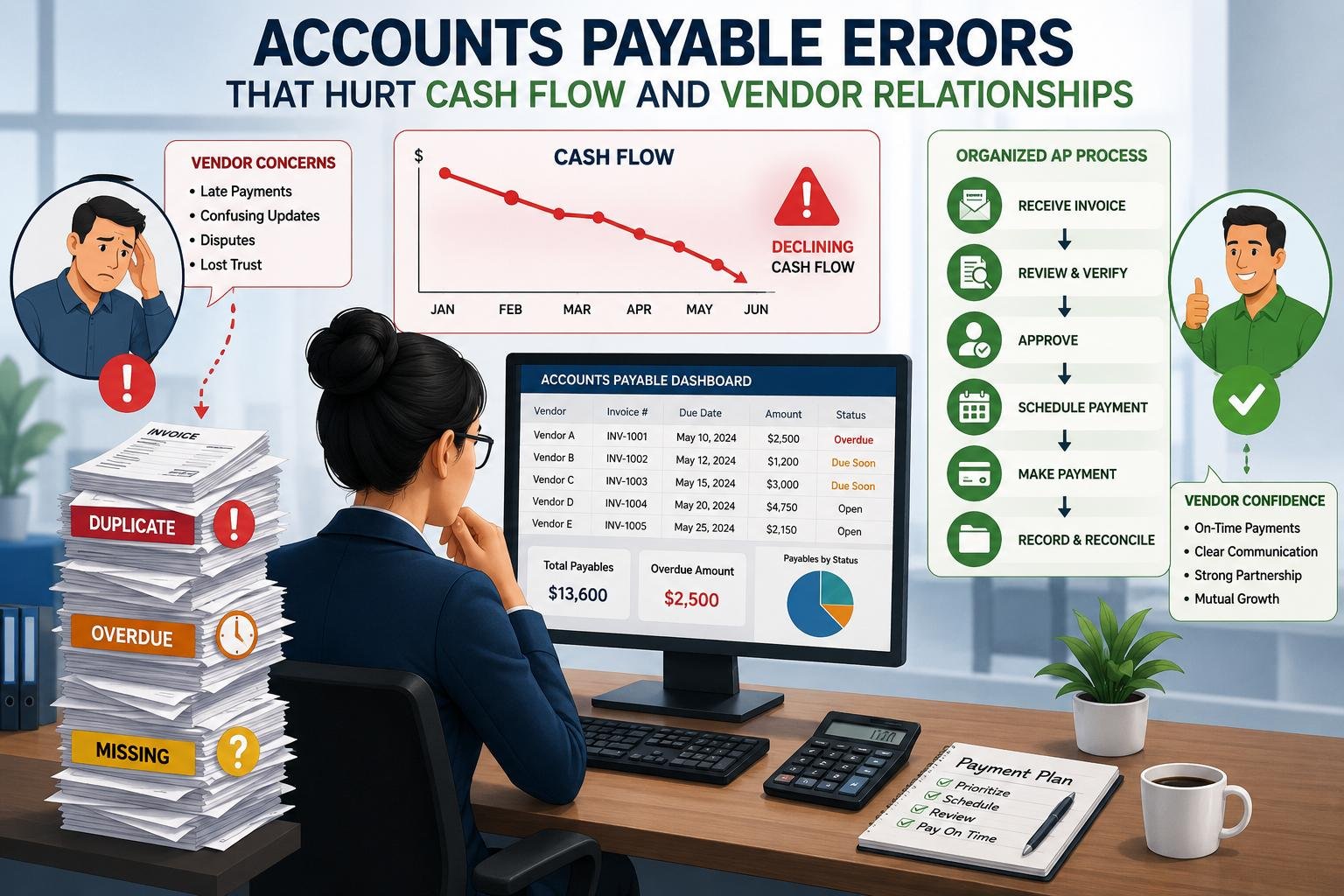
Duplicating payments on bills are one of the most expensive and frustrating payables errors as it results in a business making the same payment twice. This error can happen if an invoice is manually inputted by two users or if a vendor submits the same invoice via different methods or through an invoice with slightly different names/references. Another common cause of double payments is when an employee thinks that a payment he made was rejected and makes another payment without checking the status of the payment. Where there is one instance of a double payment, this might seem like a small matter but when it happens repeatedly, it can be significant. It’s possible the business will need to dedicate more time to reaching out to vendors, asking for refunds, and making accounting corrections. It may be more difficult to get the money back if the duplicate payment is not found promptly and may result in unwarranted dispute with the vendor.
Having effective invoice controls and good recordkeeping are essential to avoid overpayments. All invoices need to have individual reference numbers and once received, be entered into a central accounting system. The accounts payable team should verify the information on the invoice, vendor name, invoice date, amount, purchase order, and payment status prior to the payment being approved. Information about any matching or similar information on invoices can also help protect with automated duplicate-detection capabilities. It is also advisable for businesses to not have multiple employees making payments to the same invoice or entering it into the books without coordination. Differentiating between the tasks of entering the invoice, approving it and paying it decreases the risk of someone doubling up on processing the same bill. Duplicate payments not caught as part of a normal transaction can be identified through regular checking of vendor statements and bank transactions.
Invoices that are missing or not recorded.
An invoice that is lost can cause huge issues, even if the business is able to pay the correct invoice later. Invoices might get lost in a messy email inbox, misfiled in the paper, sent to an employee who is away or be forgotten due to a vendor’s unique billing policy. Failure to record the invoice in the timely manner may lead the company to underestimate the money it will owe, and overestimate the cash available for other purposes. This may cause the wrong financial statements and improper budgeting. Late payments could also result from a missing invoice, which can result in late fees or loss of vendor confidence. At times, the vendor might cease the supply or service of the product until the overdue amount is settled, thereby interrupting its business which could have been prevented if they were able to track their invoices better.
To prevent missing-invoices issues, it’s essential for businesses to establish a unified and concise intake procedure. Vendors should be directed to submit their invoice to a designated AP email address, vendor portal or authorized electronic system, NOT to specific employees. No invoice will be missed, even if it requires further information or approval. The accounts payable team should also reconcile statements with vendors regularly to catch any invoices that the vendor thinks haven’t been paid but are in the company’s books. When the department manager has initiated the purchase, it is important that they send invoices and accompanying documents immediately. A centralized digital document system makes invoices easier to find and helps to prevent the loss of valuable documents. These practices make it easier to see and make sure that all legitimate obligations are contained in cash flow planning.
Incorrect Payment Terms
Mistaken payment terms may result in paying too soon, too late, or forfeit beneficial discounts or lead to disagreements with vendors. Payment terms can be incorrectly entered when invoice data is manually transferred; the payment terms may be assumed to be the same for all vendors; or the terms on an invoice may not be compared to the original agreement. For instance, an invoice may have a term of 30 days, but actually be written as 15 days and result in cash release sooner than intended. However, if you record the terms as net-30 instead of net-60, you could find yourself with payment that is late and penalties that may be incurred. Discounts for early payment can also come with a high price tag. The vendor may be willing to offer a discount for payment within a certain timeframe; this could lead to higher costs for the company in its purchases if the deadline is not followed, and to lower income from efficient payment management.
Payment terms should be checked when the invoice is received and not taken for granted based on previous payments. The accounts payable staff should double check the invoice against the purchase order, contract, or vendor agreement to ensure the invoice is due on time, with the correct discount terms, and is being paid according to special terms. Vendor records should be updated any time the terms change and employees should be able to access up-to-date information, not the information on their old spreadsheet or in their head. However, automated accounting systems that can do the calculations and send out reminders before any significant deadlines can be met need to be inputted with accurate information. Payment schedules should also be evaluated by management for their ability to support the company’s cash flow plan. Promptly paying every bill could cause there to be a lack of cash on hand when it is not needed, and also delayed payments after the agreed dates could adversely impact vendor relationships. The objective is to pay accurately and on time and make use of the payment terms available, sensibly.
Late Payments and Penalties for Payments
Often, a problem with accounts payable is late payment, which can raise expenses and damage supplier relationships. A payment can be late due to any of these reasons: the invoice arrived late, was entered into the system incorrectly, was delayed as it was being approved, or it was forgotten as there was no clear payment schedule. Some vendors impose late fees, interest or administrative fees if the invoice is not paid by the agreed due date. These additional costs benefit the business in no direct way and can mount up when payments are not received in a timely manner. The company might also lose early payment discounts or better terms of credit if it is late with payments. A vendor that routinely has their products delivered late may demand advance payment, cut payment terms, lower the credit limit or put other customers first. These effects can have an impact on purchasing flexibility and access to essential products and services when required.
To ensure that payments are made on time, it is important to have clear due dates and streamlined approval processes. It is important for businesses to regularly re-evaluate upcoming obligations and draw up a payment plan that takes into account invoice due dates, cash availability and agreed terms. It should be clear who is responsible for approving an invoice, otherwise it can spend time in an employee’s inbox, while everyone waits for someone else. Escalation process can also be used when an invoice is nearing the due date without approval. In the event the payment can’t be made on time, the business should attempt to reach out to the vendor prior to the payment becoming due. Communication in the early stages shows that they are professional and can help both sides come to an agreement about an alternative payment date. Paying vendors on time on a regular basis creates a sense of trust and can aid negotiations in the future. It can also assist a business in securing better pricing, more flexible terms, and consistent access to products and/or services.
The Impact of the Accounts Payable Errors on Cash Flow
The following are some of the ways that errors in accounts payable can impact cash flow. Duplicate payments result in loss of funds from the business without increasing value, and inaccurate payment dates can lead to cash flowing out of the business too soon. If invoices are not received, there are unrecognized obligations which make cash forecasts less reliable as management cannot be assured of future payments. Late fees and lost discounts add to costs and lessen funds available for productive activities. These issues could leave a business to overdraw their account, take out short-term loans or emergency funding they might not have needed. Seasonal income or relying on a few large customers can be particularly problematic when it comes to cash flow. Good accounts payable information is critical for ensuring companies keep cash flowing, even for those that are profitable.
Managing cash flow does not necessarily mean putting off bills. Instead, it requires knowledge of how much the business is responsible for and when payments are due, and an understanding of the impact that payment timing has on the availability of funds. The Accounts Payable report should include an easy-to-use view of all outstanding invoices by due date, vendor, amount and invoice approval. This information can then be used by management to help predict when they need cash and what payments they have to make, but not overlook. The more frequent the cash flow review the easier it will be to notice any unusual increases in expenses or vendor balances. If the data in accounts payable is correct and up-to-date, business managers can make informed decisions regarding their investments, hiring, ordering inventory and other commitments. Accurate payables data thus enables the smooth running of day-to-day activities as well as long-term planning.
The Consequences for Account Payable (AP) Errors on Vendor Relationships
Communication, consistency, and trust are the three factors which are vital for vendor relationship. Suppliers should assume that their customers will abide by payment schedules and give correct information in case of queries. Late payments can cause vendors to doubt the company’s financial stability, and duplicate payments can cause confusion and administrative hassles. Invoices can get lost, causing disputes over payment received and/or the validity of the balance. With frequent recurring issues, vendors might not be as inclined to be flexible with payments or extend extra credit. A bad payment history can also have an impact on the business’ price negotiation. The most astute vendors tend to reserve their best offers and service to the customers who clearly express themselves and pay on time.
A vendor will feel more confident when his or her interactions with a company are predictable and consistent thanks to a professional accounts payable process. Businesses need to be familiar with where to submit invoices, who to reach out to if there are any payment issues and what the reasonable time frame for payment is. It is important that the business communicate quickly if there’s a mistake on an invoice, and not let the problem hang and cause payment to be delayed unnecessarily without informing the customer. Having up-to-date vendor records also helps to minimize the chances of paying the wrong invoice or to an incorrect contact. Both parties should use periodic vendor statement reconciliations as a way to resolve difference prior to being a large problem. Businesses that appear well organized and reliable to vendors might also be more likely to secure priority service and credit from vendors, and to receive assistance when a business is facing financial difficulties. Good accounts payable practices are therefore important to improving supply relationships.
Guidelines for a Trustworthy Account Payable Process
The first step to a reliable accounts payable procedure is to have clear procedures that all employees who are involved understand. The business must establish the procedures for receipt of the invoice, review of the invoice, matching of the invoice with supporting paperwork, approval of the invoice, scheduling, payment and recording of the invoice. Careful assignment of responsibilities should be done to avoid fraud and confusion and to ensure that payments are not made by the wrong person. For instance, the person entering the invoice should not be the same person that approves and releases the payment. Dividing up critical functions provides an extra layer of checks and balances and increases the likelihood of catching mistakes. There should also be clear and concise deadlines for the submission of the invoice and for it to be approved. If all employees are aware of what is expected of them and when it needs to happen, then there will be a reduced risk of loss and delay of invoices.
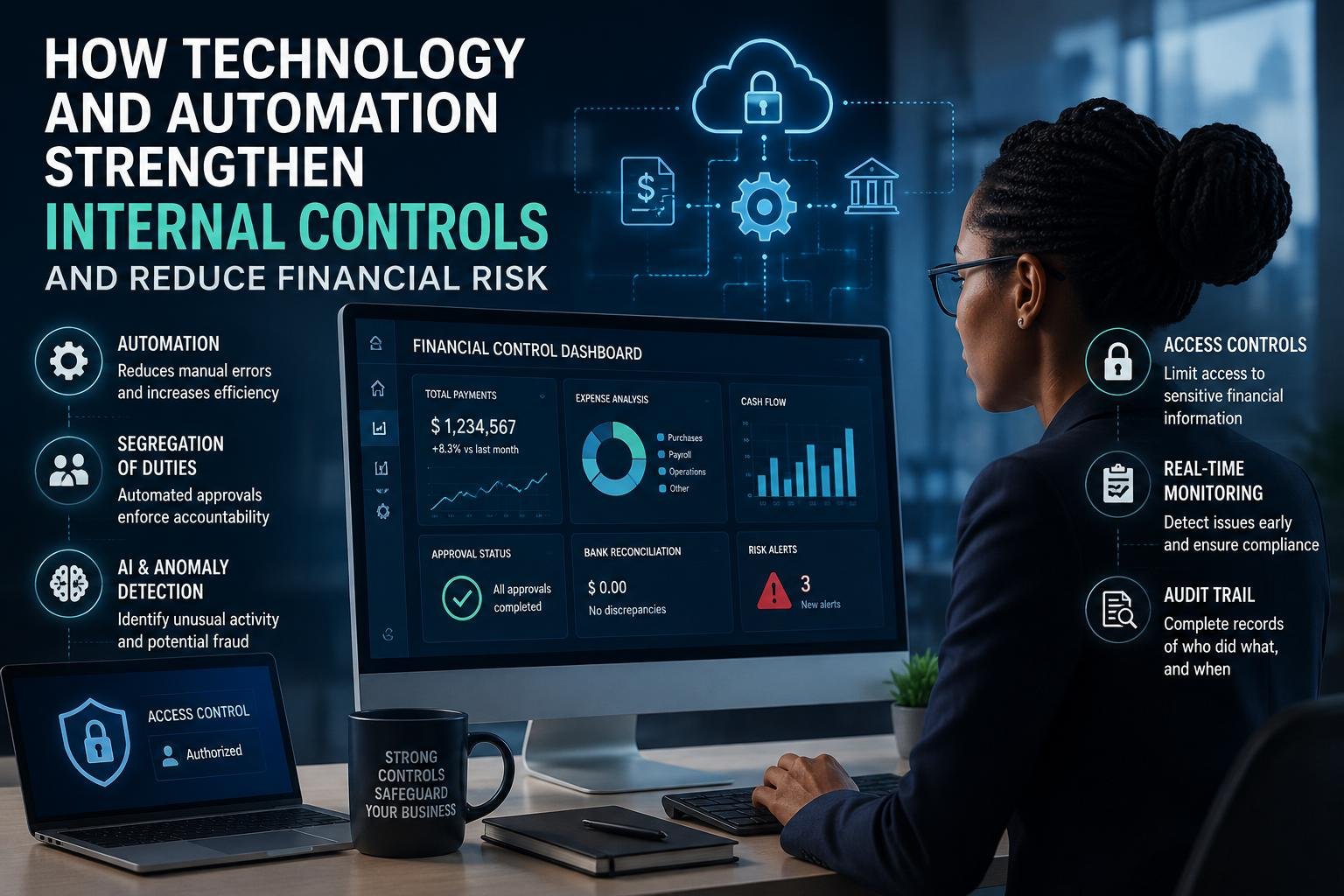
Using technology can help to increase efficiency by minimizing manual data entry and give a better overview of the status of the invoice. Invoice data can be automatically entered into accounting software, alerts can be set up to be reviewed for potential duplicates, invoices can be sent for accounts payable approval and payment reminders can be generated. Digital systems also simplify the process of keeping supporting documents on file and easily pulling them out when conducting audits or vendor inquiries. But technology shouldn’t take the place of good procedures. Even if the information entered is incorrect, it can still result in incorrect payment decisions if it is entered into an automated system. It’s important for businesses to regularly review their settings, confirm vendor information and track automatic payment rules. Employee training also makes a difference as employees must be trained on how to use the system and be able to recognize abnormal transactions. The use of technology and effective internal controls is a more effective approach than using one or the other.
Another important aspect of accounts payable control is reconciling regularly. AP Ledger should be balanced with Vendor Statements, Purchase Records, Bank Transaction and GL Balances. The reviews can reveal missing invoices, duplicate payments, unrecorded credits, incorrect balances and payments that have not been appropriately applied. Reconciliations should be done on a regular basis – not just when a problem becomes apparent. Frequency will also be dependent on the size and volume of transactions involved in the business, but for high volume business, weekly reviews may be required. Differences should be thoroughly researched and recorded as quickly as possible. Reconciliation can help ensure that financial statements are accurate and will help avoid small differences growing into bigger accounting issues if done in a timely manner.
A Helpful Account Payable Control Checklist
A recurring set of controls throughout the invoice and payment process can provide businesses with a better way to enhance their accounts payable workflows. First of all, all the bills must be received via proper channels and must be documented in a timely manner in a central system. Second, prior to approving an invoice, it should be compared to the purchase order, receiving document, contract or other supporting documentation. Third, before allowing a payment to be processed the business should verify that the invoice number, invoice amount, and vendor are not duplicated. Fourth, the terms and due dates of the payments should be checked against ongoing agreements with vendors. Fifth, a distinct process needs to be in place for approving bills, and a clear path for escalating bills that are not approved. Lastly, accurate processing and reconciling completed payments with bank transactions and vendor’s statements should be made. These controls provide accountability and enhance the reliability of the financial information.
Conclusion
The checklist should not be considered a one-time project. The accounts payable process should be reviewed periodically to ensure it continues to be effective as the business expands, hires additional suppliers or vendors, embraces new technology or alters purchasing policies. Useful indicators of performance to track should be: Number of overdue invoices, Duplicate payment incidents, Time taken to process invoices, Discounts captured, Vendor disputes. These can be indicators of areas that may not be seen by looking at individual transactions. It is also important to encourage staff to bring up any issues regarding processes and suggest solutions. An environment of accuracy and accountability is easier to foster a culture of risks being identified before they result in financial loss. Regular review facilitates efficient, scalable, and strategic accounts payable function, aligning with company financial objectives.
Get more well researched information about Accounts Payable Errors here.