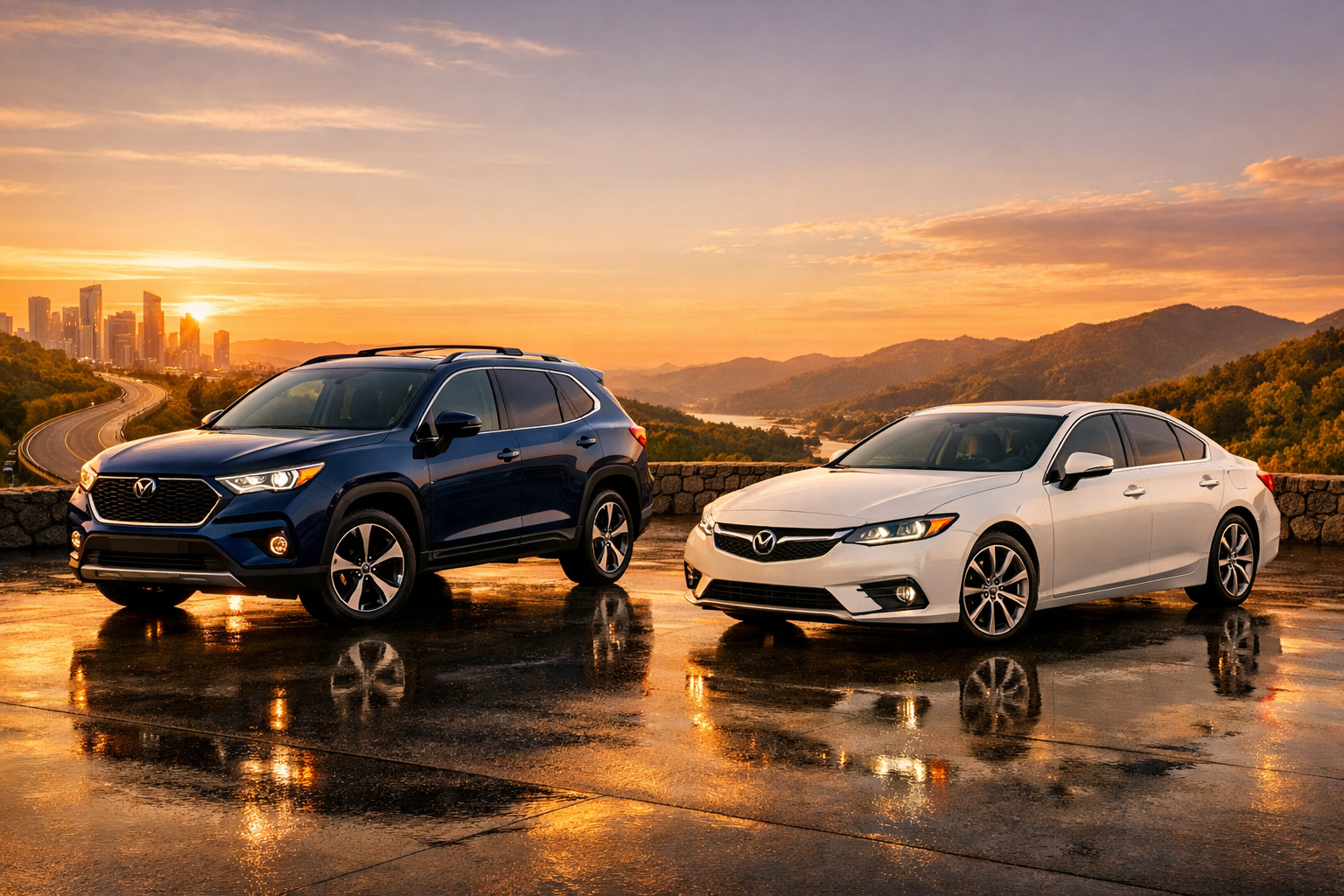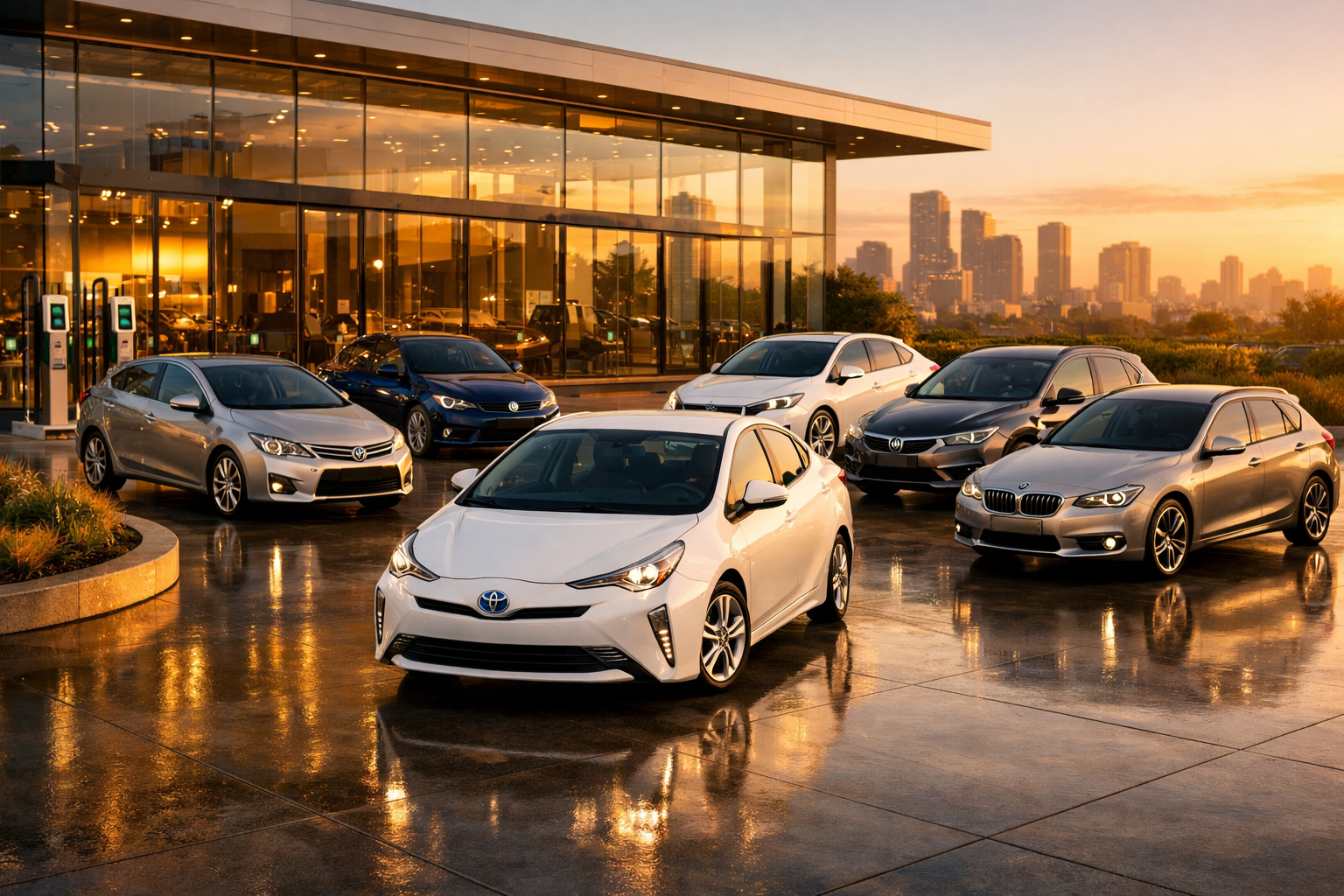
Electric car guide: Electric cars are transforming the automotive world which is seeing a large scale transition of consumers to clean, quiet, and in general more cost effective choices when compared to the conventional gas cars. Once a far off idea of the future we are today at the point of wide scale commercialization of EVs which also has options for the mass market and high end models. What we see is governments around the world are putting out incentives for this shift in behavior and auto makers are pouring in billion into electric technology. It is a move that is not only on the environmental issues but also in redefining what we think of as mobility, energy, and large scale economic issues of vehicle ownership.
This report gives you a practical look at electric vehicles which goes beyond the hype to present the facts. We will look at popular models, battery life, charging options, maintenance issues, and long term costs. At the end you will have a clear picture of what running an EV will mean for your driving habits, lifestyle, and budget.
Popular Electric Car Models
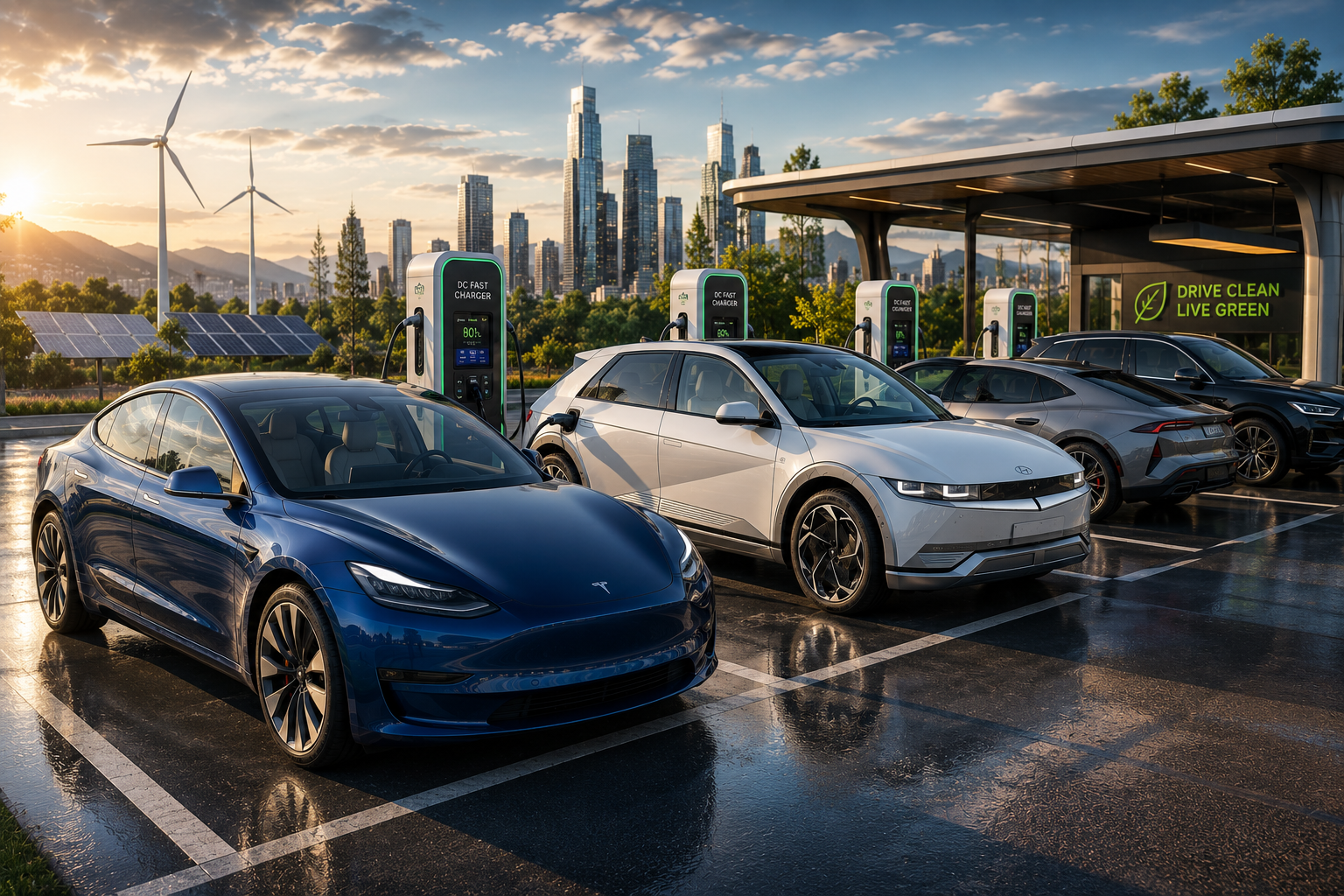
Tesla is still the dominant EV brand out there with Model 3 and Model Y which lead in global sales because of that which put out great performance, advanced software, and the Supercharger network. Also we see very strong competition. Hyundai’s Ioniq 5 and Kia’s EV6 which are very much lauded for their modern design and balanced range, also Ford’s Mustang Mach-E which brings to the table a sporty design with that of the brand’s legacy. Also we have the Volkswagen ID.4 which is very much a family oriented choice and Chevrolet’s Bolt EV which is still very much a very affordable option.
Luxury auto companies are getting into the EV space. We see from Mercedes’ EQS, BMW’s iX, and Audi’s e-tron which are bringing out premium comfort along with zero emission options. Also Nissan Leaf is a great choice for those on a tighter budget. This range of options means that no matter if you are after value, performance or luxury there is an EV to fit your bill.
Battery Range and Performance
Range issue used to be a big deal, but present day EVs have that mostly sorted out. We see most models which are present in the market today to be in the 200 to 350 mile per charge range, with the high end options like the Lucid Air going over 500. Tesla’s Model S Long Range does better than 370 miles which makes it a great choice for long distance travel. For daily commute even the base models of EVs provide what is required to cover typical daily driving patterns.
Performance also is a suit which EVs put on well. Electric motors which put out instant torque report that they get you going a lot faster in EVs as opposed to gas powered cars. Even budget EVs report responsive performance, and we see high performance models like the Porsche Taycan which do the work of super cars. Also in the works are solid state batteries and faster charge times which promise to improve efficiency and usability even more.
Home Charging Options
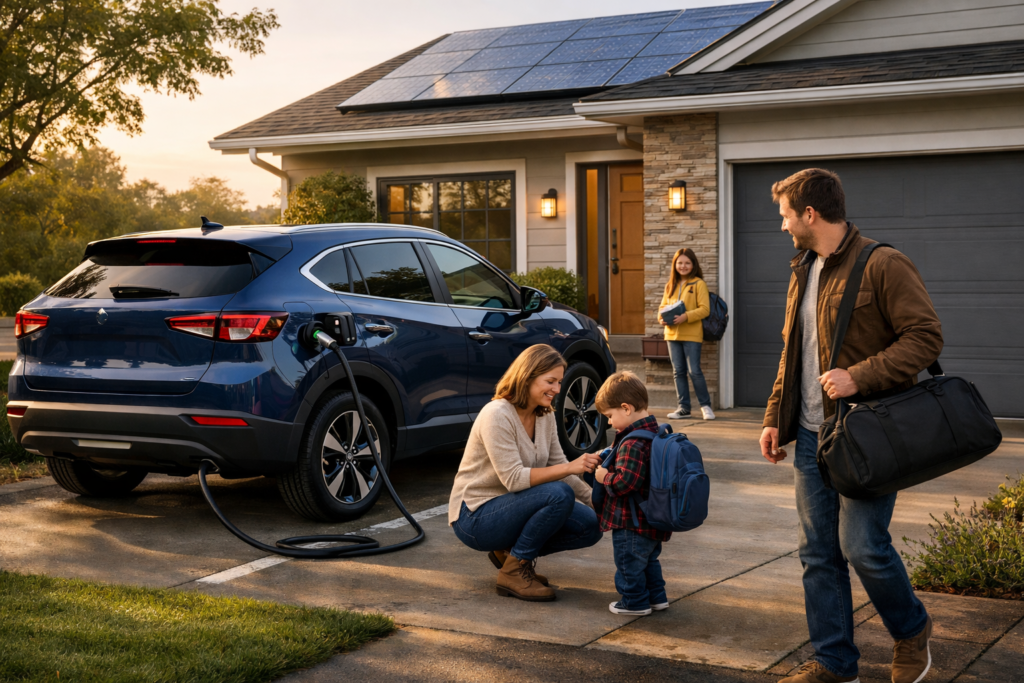
Home charging is a great feature of EV ownership. We see that Level 2 chargers which run on 240 volt outlets are what many home owners put in and they report almost total recharging of their cars overnight. Which in turn means that drivers may as well have a full charge at the end of the day as at the start of which in turn removes the need for frequent visits to the gas station. Prices for installation may differ but there are rebates and incentives which help to reduce that cost.
For some that don’t have access to a Level 2 charger EV’s may still use a standard 120 volt outlet which is also known as Level 1 charging. Although it is a slower process it does add sufficient range for short daily trips. As EV adoption increases we see more reports of landlords and housing developers that are putting in charging solutions in residential spaces which in turn makes home charging more accessible.
Public Charging Infrastructure
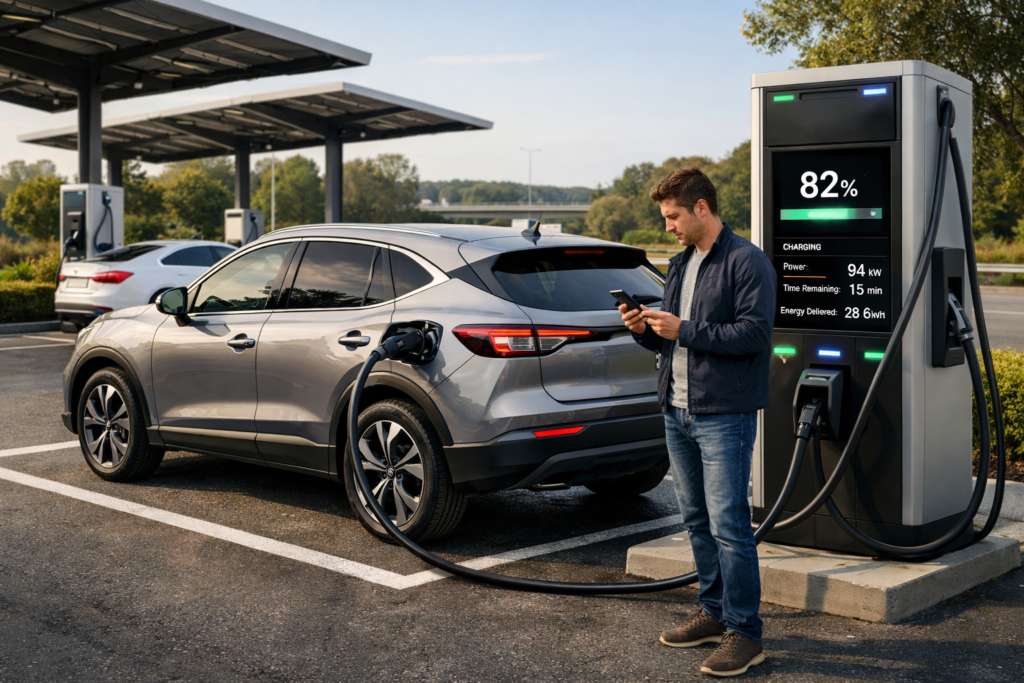
Public charging infrastructures are growing at a great rate to support the increase in EVs. What we call fast chargers, or DC fast chargers, which put 80% of charge into a battery in under 30 minutes, are what people use for cross country travel. Tesla’s Supercharger network is still the largest but competitors like Electrify America, ChargePoint, and Ionity are developing extensive networks in North America and Europe.
Availability is different by which area you are in. In urban settings we see a lot of charging station options, but out in rural areas that access is still very limited. For long trips which was a challenge before, it is key to plan in advance, but now we also have the support of apps and in car nav systems that help to find what stations are near you as well as check out what is available in real time. As governments put more into a national scale infrastructure of these charging points we will see that convenience increase also.
Maintenance and Reliability
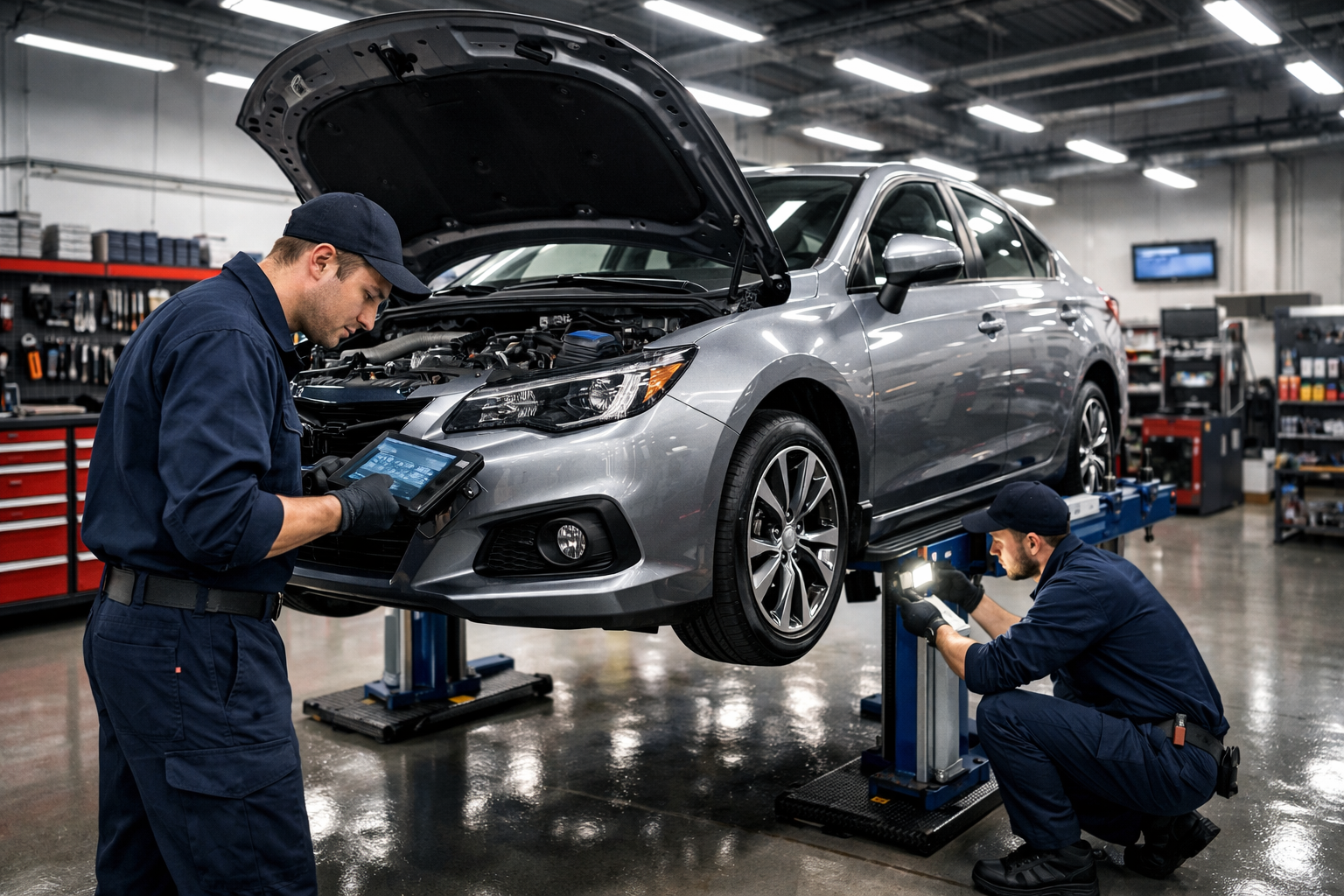
EVs in general do not require as much maintenance as gas cars do because they have fewer moving parts. We don’t see oil changes, spark plug replacements, or exhaust system issues with electrics. Also, brake wear is out as a result of regenerative breaking which uses the motor to slow the car and at the same time recharge the battery. This also plays into the fact that overall maintenance costs are lower over the car’s life time.
That which is true some EVs are not maintenance free. We see that battery health has to be watched and that cooling systems do require at times a tune up. Also tire wear may be greater because of the instant torque and the cars’ greater weight. But we do see from research that in total EV owners put out less for repair and maintenance. As tech grows and mechanics become more so into EV systems we will see reliability and service options improve.
Long-Term Ownership Costs
While EVs usually have greater upfront costs as compared to gas cars, we see in the long term that ownership costs go down. We have that electricity is in general a cheaper option than gasoline, and also home charging which in turn gets drivers off the fuel price fluctuation. Also we see a large component of maintenance savings over time from the use of EV’s thus making them a more attractive financial option to those which play the long game with their car. Also many governments play a role in encouraging the use of EVs through the offering of tax credits, rebates or reduced registration fees.
Resale of EVs is seeing growth with the rise in demand, but we see some buyers worried about battery wear out. We note that today’s EV batteries are engineered to last in excess of 100,000km, also our reports note that manufacturers’ warranties are for eight years or more. As the charging network grows and technology improves we expect that EVs will do better in terms of retention of value. For those that are price sensitive which include us when we’re looking at a small budget increase we recommend that total cost of ownership which looks at purchase, charging, service, and resale be the guide in what may or may not be a smart buy for an EV.
Environmental Impact of EVs
Beyond personal savings EVs play a role in achieving larger environmental goals. They reduce urban air pollution and put out less of which we care about like greenhouse gases which in turn is a large piece of the climate change puzzle. That said it is also true that EVs aren’t perfect. We see issues in the mining of lithium, cobalt and nickel for their batteries which in turn present environmental and ethical issues.
The positive trend is that we see growth in recycling programs and in battery technology which is in turn reducing the impacts of EVs. Auto companies are working on sustainable supply chains also which includes looking at options like solid state batteries that use less rare materials. As time goes by we expect the environmental impact of EVs to go down which in turn will make them a better choice for the eco conscious driver.
Future of Electric Vehicles
The future of EVs is looking very bright with great technological and infrastructure advances on the way. Auto companies are reporting to develop solid state batteries which we are told will see greater energy density, faster charge times, and longer life. Also governments are putting forth aggressive plans to phase out internal combustion which in turn is to speed up adoption.
Autonomous tech is also very much a part of the EV story which we see as a perfect base for in car advanced software. Also with renewable energy sources EVs may become players in a large scale system that includes smart grids and vehicle to home energy transfer. Which may see your car power your home during outages or to store up extra solar energy.
Conclusion: Is the Electric Car for You?
Electric cars are out of the experimental stage they are practical, efficient and also very affordable. We see a great variety in models, better battery life, growing charging networks, and reduced maintenance costs which present very attractive features to many consumers. The decision comes down to your use do you drive a lot in the city and have at home charging, for you EV may be the ideal choice. For the rural driver or the long distance traveler that may require more planning, still the benefits are very large.
By stripping out the hype and reporting on what is true this guide puts forth that EVs are not just for the future they are very much a part of it right now. If you are into sustainability, low operating costs, and the latest tech, an electric car may be the best choice for your next vehicle. What you do is look at your own driving habits, research which models are out there and what the total cost of ownership is to make a informed decision. With the right approach EV ownership can be very rewarding both for your wallet and the environment.