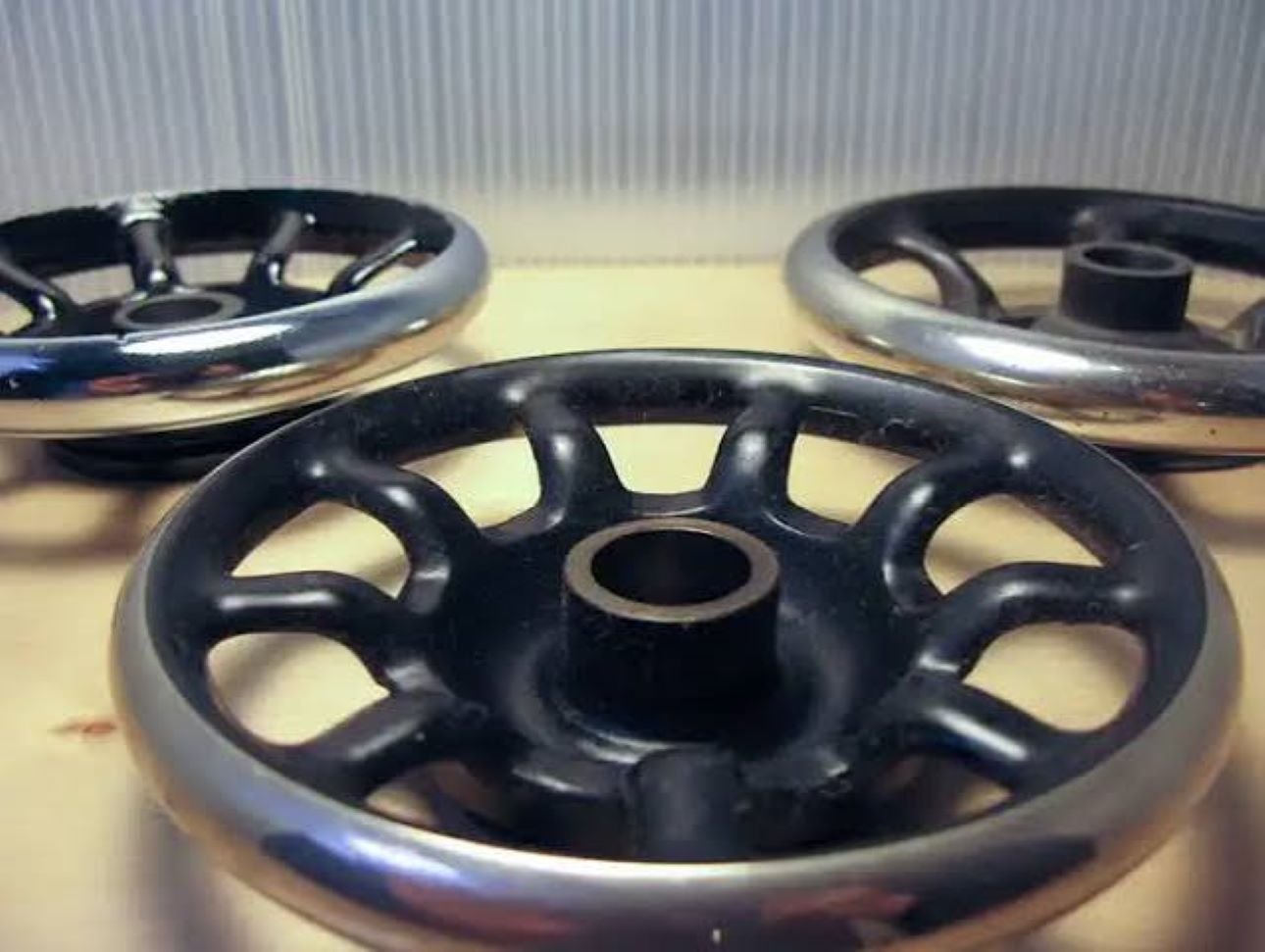
Selection for torque and control performance
Stainless steel spoked handwheels are essential in mechanical systems requiring manual torque input. Engineers consider torque demands before choosing a wheel. Correct sizing ensures smooth rotation without excessive operator effort. Larger diameters reduce force requirements and improve precision. Smaller wheels allow faster adjustments in compact applications. Balanced design prevents vibration under repeated use. Safety margins protect against overload during critical operations. Operator comfort is important for long-term efficiency. Load distribution affects rotational stability under stress. Industrial environment conditions influence final selection. Mechanical reliability improves system lifespan and reduces downtime in demanding settings.
Material durability factors in Stainless steel spoked handwheels selection
Material quality determines long-term performance of Stainless steel spoked handwheels. Engineers compare stainless steel grades such as 304 and 316. Grade 316 offers superior resistance to chemical and marine conditions. Strength ensures reliable torque transfer under repeated cycles. Hardness reduces surface wear during frequent operation. Weight balance impacts operator efficiency and comfort. Environmental exposure affects degradation speed, influencing maintenance needs. Surface finishing interacts with material to improve corrosion resistance. Durable materials extend lifecycle and reduce overall costs.
Material considerations include:
- Stainless steel grade and corrosion resistance
- Mechanical strength under repeated torque
- Weight balance for operator efficiency
- Environmental exposure and maintenance requirements
- Lifecycle cost effectiveness
Corrosion resistance and load stability
Corrosion resistance is a key advantage of Stainless steel spoked handwheels. Moisture or chemical exposure can accelerate material deterioration in industrial environments. Stainless steel prevents surface oxidation and maintains structural integrity. Even stress distribution across the spokes ensures load stability. Proper spoke geometry avoids deformation during repeated torque application. Balanced design improves rotational accuracy and reduces vibration. High-quality handwheels provide consistent performance over long cycles. Material selection directly affects maintenance intervals. Industrial systems rely on corrosion-resistant wheels to minimize downtime.
Hub compatibility and shaft connection engineering
Hub design determines how well Stainless steel spoked handwheels integrate with machinery shafts. Keyed hubs provide mechanical locking for high torque applications. Plain bore types allow flexible installation in lighter systems. Tolerance accuracy ensures smooth rotation and prevents premature wear. Misaligned shafts reduce efficiency and increase stress on components. Engineers calculate fit dimensions carefully before assembly. Secure locking prevents slippage under load. Precision machining ensures consistent bore diameters. Correct hub selection improves long-term reliability. Installation procedures impact performance and safety significantly.
Spoke geometry impact on performance
Spoke configuration directly influences handwheel strength and operator comfort. Multiple spokes distribute torque evenly across the wheel. Even load distribution reduces stress at the hub. Spoke thickness affects mechanical strength and total weight. Optimized spoke angles improve torque efficiency during rotation. Ergonomic placement enhances operator handling in high-use systems. Balanced spoke design prevents deformation under heavy loads. Industrial applications demand consistent structural stability. Engineers evaluate spoke patterns to improve both safety and durability. Proper spoke geometry ensures reliable performance in demanding conditions.
Surface finishing standards for industrial rotary control components
Surface finishing affects both usability and safety of Stainless steel spoked handwheels. Polished surfaces reduce friction during manual rotation. Matte or textured finishes improve grip in oily environments. Finishing also reduces contamination buildup and improves corrosion resistance. Industrial standards, including ISO machining guidelines, ensure consistent quality. Controlled surface roughness improves handling performance over long-term use. Finishing quality impacts operator safety during high-load adjustments. Smooth surfaces prevent early wear and reduce maintenance. Proper finishing extends the lifecycle of handwheels in industrial environments.
Installation and maintenance practices for long service life
Correct installation and maintenance are essential for long-term performance. Proper alignment ensures stable rotation and reduces mechanical wear. Technicians must tighten hubs to specified torque levels. Lubrication reduces friction at moving points. Cleaning prevents dust and chemical residue accumulation. Regular inspections identify early signs of wear or deformation. Replacement is required if damage appears to prevent system failure.
Maintenance checklist includes:
- Verify alignment and fit before installation
- Apply proper torque to fasteners
- Inspect regularly for loosening or wear
- Clean surfaces to remove contaminants
- Replace damaged components promptly
Common application scenarios in machinery control systems
Stainless steel spoked handwheels are widely used in valves, heavy machinery, and precision positioning systems. Industrial valves require precise torque to regulate fluid flow. Manual adjustments in machinery benefit from ergonomic wheel designs. High-load environments demand corrosion-resistant materials for reliability. Precision positioning mechanisms require repeatable control with minimal operator effort. Safety-critical manual override systems often rely on stainless steel wheels. Designers select handwheels to balance strength, durability, and operational comfort. Load distribution and spoke geometry are critical for accurate control. Industrial performance depends on proper integration of these components.
FAQ
How to select the correct size of stainless steel spoked handwheel?
Choosing the correct size depends on torque requirements and operator force. Larger wheels reduce effort needed for rotation. Smaller wheels allow faster adjustments in compact environments. Shaft diameter compatibility affects the final selection. Frequency of use influences ergonomic considerations. Safety margins protect against overload conditions. Material choice ensures long-term durability. Engineers evaluate torque, load, and space before final selection. Proper sizing improves operational efficiency and reduces fatigue. Consistent performance is critical in industrial systems. Selection impacts both safety and system reliability over time.
What is the difference between stainless steel and cast iron handwheels?
Stainless steel handwheels resist corrosion better than cast iron alternatives. Cast iron provides rigidity but rusts in humid conditions. Stainless steel maintains integrity under chemical exposure. Weight differences affect handling comfort. Cast iron may require coatings to improve durability. Stainless steel reduces maintenance needs and extends service life. Performance expectations influence the choice between materials. Industrial applications often favor stainless steel for reliability and hygiene. Both materials suit specific mechanical requirements. Designers balance cost, durability, and environmental conditions in selection.
What maintenance is required for long-term operation?
Regular maintenance ensures reliable performance of Stainless steel spoked handwheels. Inspect all fasteners for loosening or wear. Clean surfaces to remove dust, oil, or chemical residues. Lubricate moving points to reduce friction and prevent wear. Monitor corrosion or surface damage, replacing compromised components immediately. Maintenance frequency depends on system load and environmental exposure. Proper storage reduces degradation over time. High-use systems need more frequent checks. Routine care extends lifespan and ensures consistent mechanical control. Operators benefit from improved safety and reduced operational interruptions.