Introduction
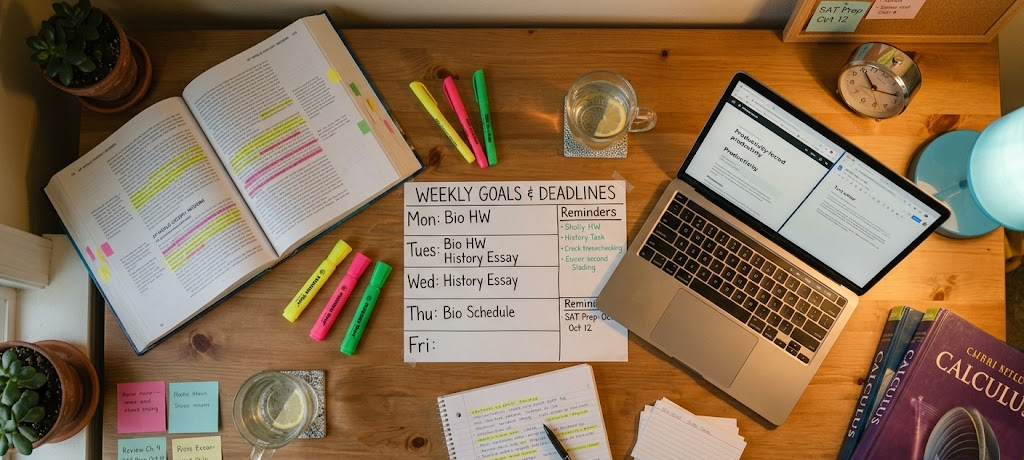
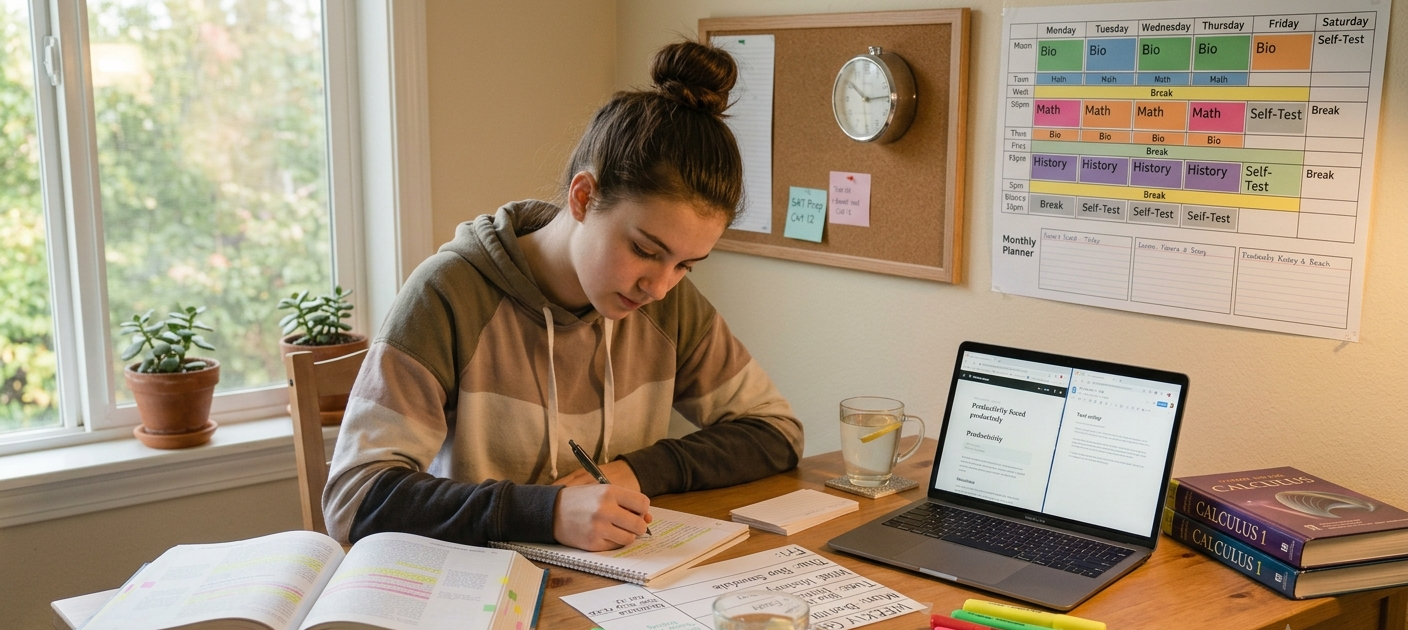
Studying goes beyond just reading the same textbooks over and again or cramming info the night before a test. What we see in true academic success is that which comes out of an understanding of how the brain puts together, puts away, and gets at information over time. Many students do well or do not do well not because of a lack of intelligence but because they use poor study methods which do not support long term memory retention. In present day education we have research which reports that some learning strategies really do improve understanding and recall which in turn do better when used consistently.
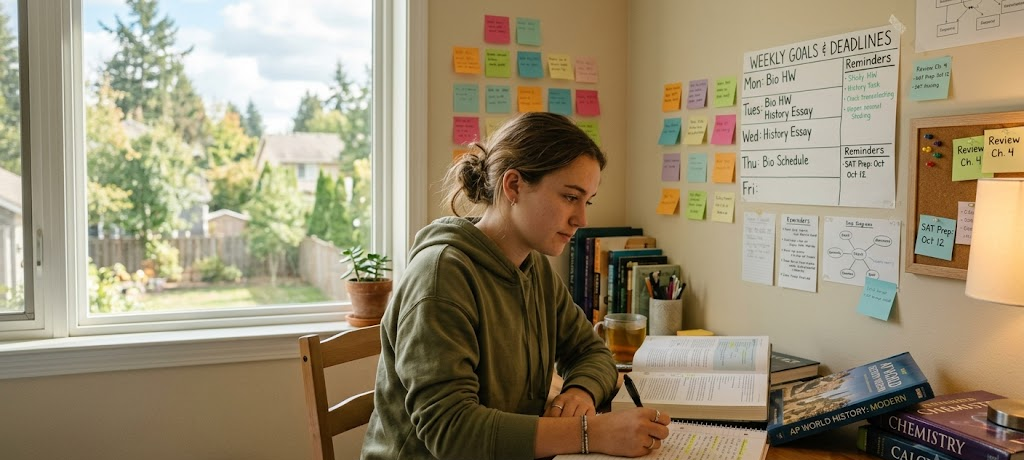
These include active recall, spaced repetition, structured note taking, and regular self assessment. When students put these into practice properly what we see is that they do better at retaining info for the long term and do better in what they are studying and also in external exams like WAEC and NECO. This article goes into detail on these proven strategies and also how students may put them into their every day study routines to see better academic results and more confidence in what they are learning.
Active Recall: Learning from experience, not just reading.
Active recall is a very effective study tool for improving memory and comprehension. As opposed to passive note reading or textbook perusing, active recall has the student go out of their way to access information out of memory without the material in front of them. This may include turning a page and explaining what just was learned, doing practice questions, or using flash cards. Each time the brain is made to retrieve info out of the blue it strengthens neural connections which in turn makes it easier to recall that info at a later date.
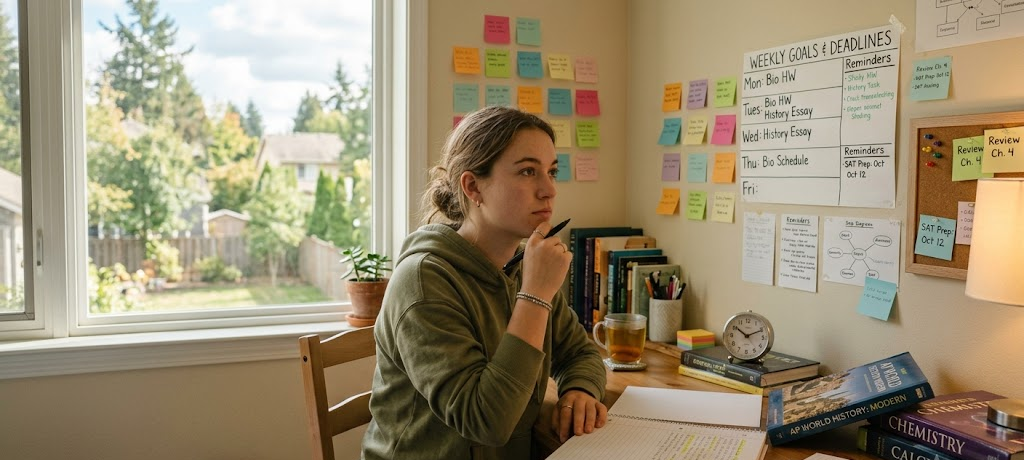
Also unlike re-reading which gives a false sense of knowledge, active recall brings out what the student really knows and gets them to really engage with the material. Students that use this method report to do better in exams as they are used to that pressurized recall of info. Also it improves what they are doing beyond just memorizing facts, the learners are into the nitty gritty of what the material means, how different elements play together, and see how it applies in real life and exam situations.
Spaced Repetition: Improving memory with time.
Spaced out review is a scientific approach which puts forward the idea of reviewing material at increasing intervals of time as opposed to crammed study sessions at once. The concept is based on what the brain does; it forgets information which is not brought back into memory. What we do is review material right after we learn it and then again a few days out, weeks out, or even months from the initial learning which in turn causes the brain to better put that info into long term memory. This method is very good for subjects which require you to memorize info biology, history, and vocab based topics to name a few.
Also digital tools like flash card apps use spaced repetition algorithms to determine when exactly a user should be reviewing certain material. That said, even without technology students may put together a simple study schedule to implement this method themselves. The main benefit of spaced repetition is that it lessens the need for last minute study sessions and helps students to retain info for much longer. Also it reduces exam stress because the info is reinforced over time.
Regular Self-Testing: Assessing What You Really Know.
In our present system, we see that regular self-testing is a great tool for students to identify what they know for sure and what still needs work. Unlike the do nothing approach of re reading material which is what some students may do, self testing puts the brain in a retrieval mode as if in an exam which in turn fortifies memory and also raises confidence. Also this may be done via past questions, quizzes, practice exams, or even have a friend or instructor put together a question set for you.
What we have found is that students who self test report greater success than those which only go over their notes. Also self testing reduces anxiety as it gets you used to the stress of performing without notes which in turn improves your performance in the actual exam. Over time it also develops exam readiness and improves your time management skills during the test. Also it gives instant results which in turn allows the student to change up their study methods and pay more attention to the weak areas before the big exam.
Effective Note-Taking Strategies for Better Understanding
Note taking is a process beyond just recording what a professor says out in the open; it is a tool for the organization and processing of info. Also in note taking students’ engagement with material and transformation of complex ideas into more simple and approachable forms is key. One strategy is in the practice of summarization which has the student rephrase info in their own words instead of just regurgitating from text books or lectures. This in turn gets the brain to work at processing meaning instead of just which words to write.
Also very useful is the use of headings, bullet points and diagrams which present info in a very structured way. Well organized notes make for better revision which in turn is faster and more efficient as key points stand out. Also by taking notes during lessons students improve their attention and focus which in turn reduces other distractions. But note taking should not be done carelessly or in a mess, messy notes will in fact make revision more of a struggle. When done right though note taking is a great revision tool which supports active recall and spaced repetition which in turn makes exam prep a much more effective process.
Advanced Note-Taking Methods: Cornell Method and Mind Mapping.
In addition to traditional note taking, into advanced methods like the Cornell system and mind mapping which we see even greater results from students. The Cornell note taking method breaks a page into parts for main notes, cues, and summaries which in turn allows students to put info out there in an organized way and also review it better. Also it gets them more involved in the material because they have to write out questions and summaries after class which in turn reinforces what they learned. At the same time mind mapping is a visual approach which helps students to connect ideas via diagrams.
It is very useful for subjects which have many relationships between concepts which we see in science or literature. Also it allows learners to see the big picture and to better understand how different ideas are related. Also both of these methods improve memory retention which is a result of active processing instead of just passive writing. When students pair these with regular review sessions what they are doing is setting up a great base for long term learning and better academic performance.
Combining Study Techniques for Maximum Effectiveness
While each study technique works well by itself, what you get out of it is greatest when you put them in a structured routine. For instance a student may start out by taking detailed notes in class, then at home use active recall to see how much they retained. After that they may use spaced repetition to go over the material at gradual intervals over the coming weeks, and also do regular self tests which will keep them evaluated. That which does the best job is a full learning cycle which is put in place that improves memory, which in turn improves understanding and which also builds confidence.
Also it is important to create a balanced study plan that includes breaks, for the brain to not get overworked which in turn will reduce productivity. Also what we see is that consistency is key with these techniques which work best when practiced at regular intervals over time as opposed to only before exams. With discipline and the right approach students may transform their study methods and achieve long term academic success.
Conclusion: Improving Academic Success with Better Study Skills.
Improvement of academic performance does not come from putting in more effort but from studying more smartly. We see that techniques like active recall, spaced repetition, structured note taking, and regular self testing do indeed work together to improve memory retention and at the same time deepen understanding. What we have here is research backed methods which have been put to the test and found to help students do better in their exams and which also have the added benefit of lasting for the long term.
As students adopt these strategies they leave behind the stress of last minute cram sessions and instead take up a steady and sure approach to study. In time what we see is better grades, improved comprehension, and reduced exam anxiety. Also of great importance is that these techniques help students to develop life long learning skills which go beyond the classroom. With consistent practice any student is able to transform their academic experience and achieve much better and more reliable results in school and external exams.