
Introduction
Online today we see that which has grown to be a very large element of what we think of as modern day education with the fact that schools, universities and training platforms are ever more so going to digital based teaching and assessment. While it does bring to the table flexibility and a vast array of learning resources at your fingertips it also brings out the need for a great deal of discipline, self management and digital literacy from the student. We see less of the in person teacher support which in the traditional class room setting is constant and more of a do it yourself approach which is required of the student to stay focused, organized and motivated. This in turn puts forth the importance of what works best for the student in virtual settings. Of the many things which play into that is the use of what we see to be proven methods for success in online learning which in turn gives structure to how to best adapt to digital education systems. In this article we will look at in depth strategies which help the student to manage distraction, stay organized, make use of what is available on line, communication with instructors and participation in virtual class rooms to in turn see academic progress.
Understanding Online Learning Environments
Online in the digital spaces which are the internet based versions of class rooms we see teaching, learning materials, communication and assessments take place instead of in physical class rooms. These may include learning management systems, video conferencing tools, discussion boards and digital libraries. While they do present flexibility and convenience they also bring in issues like less face to face interaction, increased screen time, and the issue of multi tasking during lessons. Students may do well not because the material is easy but because they are adapting to a new way of learning which requires more independence.
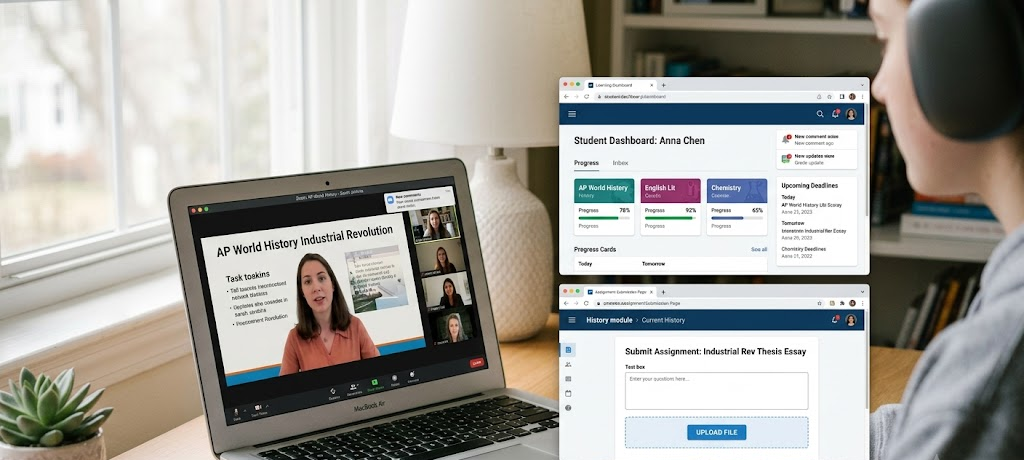
What is base is an understanding of how these systems work which in turn familiarizes students with the navigation tools, submission interfaces and communication channels. Once students have the structure of their digital class room out there they may put in place practices that support consistency like regular log in, frequent check ins for updates and participation in discussions. Without this base of understanding even the most intelligent students may fall behind due to disorganization or lack of engagement.
Key Strategies for Online Success
In digital education for success we see that students must adopt structured habits which support focus and productivity. A very effective approach is to develop a daily routine which in many ways imitates a traditional school schedule which includes set study times, break periods, and review sessions. This in turn reduces confusion and helps the brain to get used to a set time for learning. Also we see that it is very useful for students to have a dedicated study area which is free of distractions like TV, social media, and extra noise.
As students stick to these routines they see better retention of material and also that they are able to finish their work on time. Also it is a good practice for students to put forth academic goals for each week which they break down into smaller more doable steps. This in turn will reduce procrastination and will also improve their motivation. The main point is that in online education success does not just happen; it is the result of discipline and careful planning. By using these structured methods for success in online learning settings students will in time seem to have developed independence and confidence in the management of their academic tasks.
Managing Distractions in Digital Learning
Distractions present the greatest issue for students in online learning settings which also happens to be the space where they have their personal devices, social media notifications, and are surrounded by family and environmental interruptions. We as a student must put in place both physical and mental strategies to deal with them. Physically speaking, students should do away with access to what distracts them by turning off notifications, using blocking software for websites, or keeping phones out of study area during study sessions. Mentally we should train ourselves to focus on one task at a time instead of trying to do many which in reality039s a039 proven to reduce comprehension and efficiency.

Also we may try out time management techniques like the Pomodoro which puts into play study blocks of time followed by break times. This not only helps in maintaining focus but also in avoiding burn out. Also it is important to put across to family members in the home that study time is a non negotiable block of the day. With consistent practice of these strategies over time what we see is the brain becomes more disciplined which in turn allows the student to pay attention for longer and in turn retain info better.
Staying Organized in Online Education
Organization is a key element in the success of online education which is0 out of 5 due to the fact that students are in charge of their own schedules, assignments and learning materials. As opposed to traditional classes in which teachers will often go over deadlines with the students, in online learning personal responsibility is a must. Also in terms of what is very useful for staying organized we see that digital calendars or planners which track assignments, exams and class schedules are very much used. Also students should create folders on their devices for each subject which in turn will house lecture notes, readings and submitted work in a neat way.
This in turn will prevent issues of confusion and save time when it is exam time or when working on assignments. Also it is a great idea to have a weekly review of what is coming up and to plan out study work load. Also included in this is to develop a system for naming files which will in turn help to not lose important documents. When students do this they in turn reduce stress, improve productivity and see that they don’t miss any important deadlines which in the end leads to better academic performance and a more smooth learning experience.
Engaging with Digital Learning Resources
Digital online resources are a great feature of education which puts at students’ disposal videos, e-books, interactive simulations, lecture recordings, and discussion forums. But simply to have access to this material is — in itself insufficient; what we see is that students which benefit the most are those that engage with it. This means paying attention while watching lectures, taking notes while going through digital material, and going back over hard topics till mastery is achieved. Also students should use outside resources which are not presented in class like educational websites, academic journals and online practice exercises.
Also it is important for them to learn how to evaluate the value of online sources so that they do not fall for disinformation. Also a key element is that students interact with the multimedia content instead of just passively going through it which is a more active approach to learning that improves retention. When students do make use of the digital tools in this way they achieve a greater depth of knowledge and also become more independent which sees them venture into study beyond what is presented in the class curriculum.
Effective Communication with Instructors
In online learning which is a platform that does away with the physical classroom setting communication plays a very large role. Students must learn to put forth clear and respectful communication through e-mail, discussion forums, and virtual meetings. At the core of effective communication is to present messages which are clear and to the point which also include appropriate greetings, very specific questions, and to the issue at hand. Also of importance is to give prompt responses to feedback and to partake in the discussions that are put forward.
Also do not be afraid to put out questions if a subject is not clear, online instructors are typically very willing to go above and beyond for clarification. Also in all forms of communication which may include tone, grammar, and how it is put out there we ask for a professional approach. Professionalism in communication in the on line setting creates that academic relationship which in turn makes it a lot easier to get the help and support one needs during the course. Over time this improves the overall outcome of the student’s performance and also gives them that sense of connection in what is still a virtual environment.
Participation in Virtual Classrooms
Active engagement in virtual classrooms is a key to how well students do in online education. As opposed to passive learning in which students are just observers or listeners, participation is when they jump in and out, put forth ideas, answer questions, and work with peers in group settings. Many online tools present features like chat, polls, breakout rooms, and discussion boards which should be used to the best effect to improve learning. Also it is that students which are very much a part of the process tend to do better as they are constantly into the action of thinking through and applying what is presented.
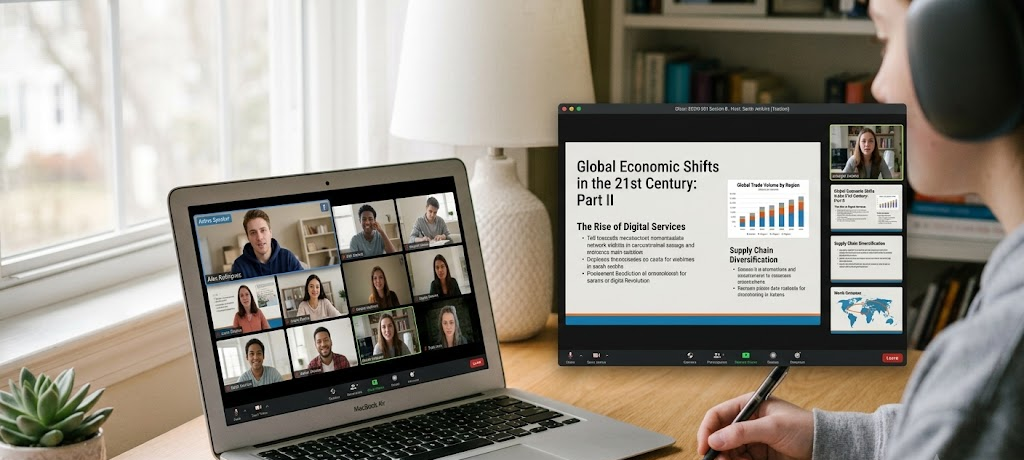
Also it is that they are more present and less prone to distraction in live sessions. Also participation builds up confidence as they put forth their thoughts and get response from instructors and peers. Even if a student is shy or not sure of themselves, putting in small inputs goes a long way in improving communication skills. Over time what we see is that consistent participation creates a sense of being a part of the class and responsibility which in turn makes the learning experience more dynamic and meaningful.
Conclusion
Succeeding in online education is beyond just having access to digital devices and the internet; it requires discipline, structure, and student engagement. By developing strategies like that which include managing distraction, staying organized, interacting with learning materials, improving communication with instructors, and participating in virtual class rooms students may see great results. Also these practices not only improve academic results but at the same time enable students to grow in areas like time management, self motivation, and digital literacy.
As education changes we see that those who adapt to these models do better in terms of academic achievement and are also better prepared for the career which lies ahead. Online learning is not a short term substitute to what we have known as traditional school but rather a very effective platform that when used properly may put forth high quality education and lifelong learning chances to students all over the world.