
Good food habits can be a good first step to building a healthy lifestyle. Nutrition information, however, is often confusing for many people due to the amount of information that is available online, the changing trends of diets and the conflicting advice from different sources. Others feel that dieting for health means a costly selection of foods or adherence to a rigid diet plan; others feel that a balanced diet means forgoing favorite foods. Making a healthy eating plan is actually quite easy. A healthy eating plan is about variety, moderation and consistency—not restriction. Learning the importance of healthy food choices allows people to develop nutritious meals that help them feel their best, be more productive, and have a healthier life.
Understanding the fundamentals of planning a meal can assist individuals make informed choices about their food consumption. The basic principles of meal planning offers valuable information on how to plan meals effectively and ensure a balanced diet. Planning a meal is not a matter of rigid rules or whole food group bans. Rather, it is about developing a workable, nutrient-balanced diet that is enjoyable and fits into daily living. Meal planning, done right, can make healthy eating easier, help lower the stress of food decisions and help lead to a healthier lifestyle in the long run.
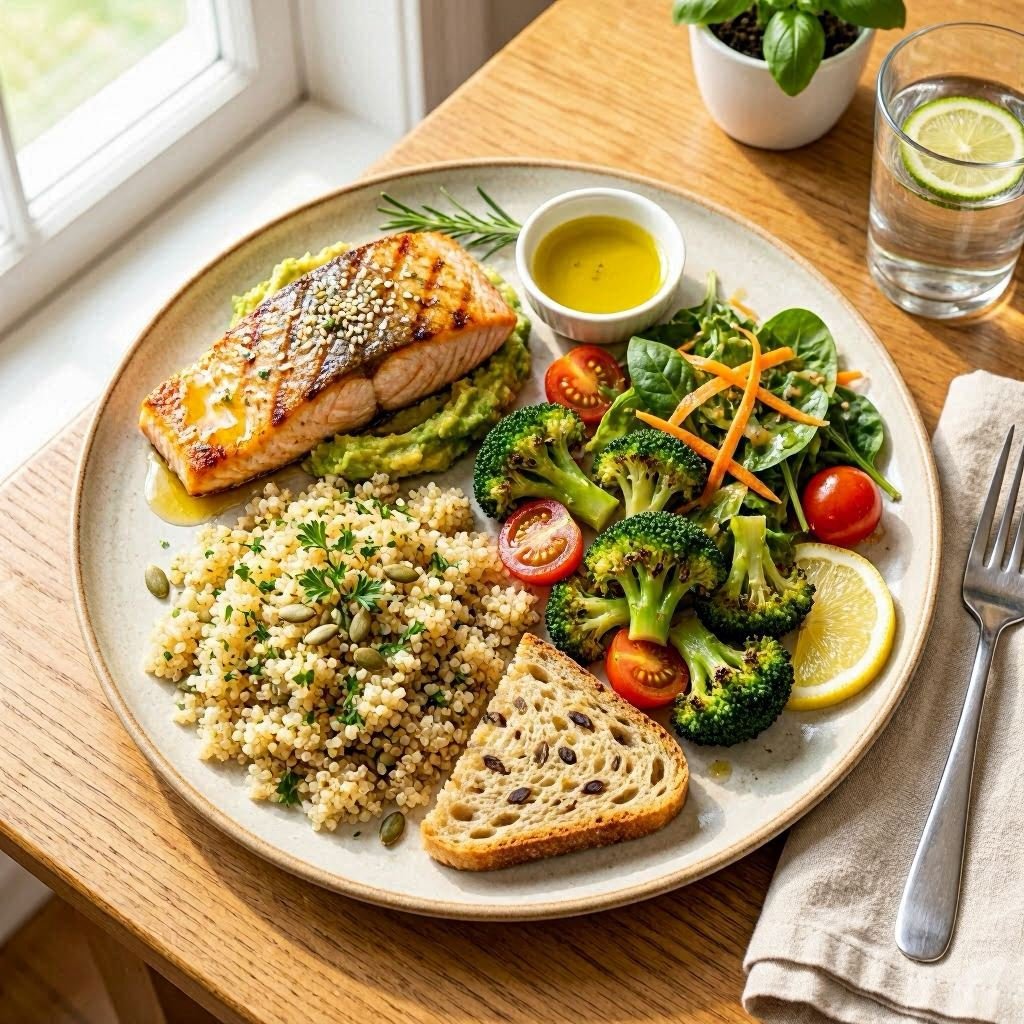
A healthy balanced meal which includes vegetables, grains, and protein.
It’s time to consider the fundamentals of meal planning for a healthy well-balanced meal.
Recognizing the purpose of meal planning
Meal planning involves making up a few days or a whole week’s worth of meals ahead of time. The main objective is to ensure that meals include a suitable amount of nutrition, but not be the source of food impulsiveness. When people are not planning, they may turn to convenience foods or may not eat at all, making it harder to stick with a healthy diet.
Eating plans in advance add structure and enable people to add more nutritious foods. This also helps to cut down on food waste, to make grocery shopping more efficient and to save money. The most significant benefit of meal planning is that it offers a tangible approach to establishing a sustainable eating strategy for health and wellbeing in the long term.
The importance of nutrient balance
A balanced meal plan should include a variety of foods which provide the nutrients needed for normal body functions. These nutrients include carbohydrates, proteins, healthy fats, vitamins, mineral and fiber. Each nutrient has a certain function in the body.
Carbohydrates are the energy source, proteins are the building and repair materials, and good fats are a part of many biological processes. Vitamins and minerals help with myriad functions such as immune support and energy metabolism, and fibre helps the digestive system. The balance of nutrients does not imply eating them in equal proportions. It’s more about making a meal that is made up of a variety of food groups that will benefit overall health. Knowledge of nutrient interactions can help people to make healthy food choices without being overloaded with information.
The importance of a diverse food supply
Variety is one of the most crucial parts of a healthy meal plan. Any one food is never a complete package of all the nutrients that the body needs. Eating a variety of foods helps to ensure that a variety of nutrients are received, and in a fun way. Fruits, vegetables, grains, protein and healthy fats can be varied throughout the week to improve variety.
The variety of foods will also add variety in flavors, textures and cooking techniques that can make being on a healthy diet more enjoyable. A diversified meal plan promotes flexibility and helps to reduce boredom, as opposed to eating the same food over and over. This can help to ensure people eat a healthy diet and stick to it.
Understanding Portion Control
Another important aspect of a well-balanced meal plan is portion control. Foods that are good for you can also lead to imbalances if eaten too much. Portion control doesn’t need to be exact or involve constant counting of calories. Rather, it suggests awareness about portion control and tuning in to the hunger/fullness signals.
Balanced portions enable people to eat the necessary nutrients and still feel comfortable and satisfied after meals. Some practical strategies are eating the right size plates, eating a moderate amount of food at first, and listening to the body’s cues at the table. Portion control is not about restriction, it’s about awareness, helping people to sustain healthy eating practices without causing stress.
Planning Balanced Breakfasts
Breakfast is a chance to start the day with a mix of nutrients which help to maintain energy levels and concentration. A healthy breakfast will usually consist of a carbohydrate, protein and fat source. Some options include oats topped with fruit and nuts, whole-grain breads with eggs or yogurt with fresh fruit. These mixes are good for those who need energy throughout the day and want to stay full all morning. It is not a rule that everyone should eat breakfast, but if they do, it might be a good idea to opt for something healthy that is low in junk. Making breakfast plans in advance can make hectic mornings easier and support stablized healthy eating habits.
Creating Nutritious Lunches
Lunch is a crucial time to replenish energy in the day and to keep people productive. Vegetables, a protein source and a carbohydrate for energy should be included in a balanced lunch. Rice and vegetables, beans and salad and grilled fish are all great ways to get a balanced meal, as are whole-grain wraps with lean protein and vegetables.
Making lunch preparations ahead of time can increase your chances of eating healthy foods, and lessen your need for convenience foods when you’re pressed for time. Planned lunch arrangements can help people keep their energy level up and promote dietary balance.
Building Well-Rounded Dinners
For many families, dinner may be the largest meal of the day, and a chance to eat several food groups. The components of a balanced dinner can include vegetables, whole grains or starchy foods, and a protein source.
When planned and prepared effectively, traditional meals can easily fit into a well balanced diet plan. For instance, vegetable-heavy soups combined with reasonable amounts of basic foods can help add nutrients and whole foods to the diet. Planning dinner can also be a chance for families to sit down together and eat, fostering better social interactions and healthier eating patterns.
What they do in a healthy diet
Selecting the right snacks can help create a well-balanced meal strategy. Healthy snacks can also be used to fill the void between meals and can give supplemental nutrients during the day. Some healthy choices include fruits, yogurt, nuts and seeds, boiled eggs, and vegetable snacks. Snacks should be in addition to meals, not a substitute for them.
Snacks with multiple nutrients tend to make people feel better satisfied than snacks that are more processed. Having prepared snacks ahead of time can be helpful in making food choices more conscious and maintain regular food consumption during the day.
Planning a Weekly Meal Plan
A weekly meal plan gives structure and minimizes food decisions on an everyday basis. The first step to the process is to select meals for breakfast, lunch, dinner, and snacks. Using available ingredients and personal tastes will make things more practical and less wasteful.
When you go grocery shopping with a meal plan in hand, you will make shopping more efficient since you will be purchasing food that you will be eating. It also enables people to practice and balance their diets and include variety in their weekly planning. While flexibility is key, a general plan can make healthy eating easier and make it easier to make nutritious choices.
Making Healthy Eating Affordable
An assumption of many people is that healthy eating is costly, but smart meal planning can help control food costs. Buying seasonal fruit and veggies, bulk buying of basic foods and cooking at home can save money. Beans, lentils, oats, eggs, local fruits and vegetables, and whole grains offer a good price for great nutrients.
Planning meals can avoid wasteful buying and the efficient use of ingredients. When people think about nutritious nutrition and plan smartly, they can have reasonably priced nutrition, which doesn’t mean they have to buy specialty products.
Steer clear of Restrictive Diet Mentality
A healthy eating plan should promote well-being, but not a sense of deprivation. Restrictive diets tend to be more about the “no”s and more about eliminating certain foods or rigid rules that can be hard to follow. Sustainable meal planning, on the other hand, promotes moderate consumption and flexibility.
One can have favourite foods without necessarily compromising on nutrient dense foods most of the time. This healthy eating balance will help minimize extreme eating habits. Flexibility ensures a meal plan is balanced and suitable to various types of lifestyles, cultural choices, and social interactions.
Practical suggestions for long-term success
The key to successful meal planning is to be consistent, not perfect. It’s better to make changes slowly rather than drastically. Planning ahead, having healthy foods on hand and having reasonable expectations can help to ensure long-term success. People should aim to improve their eating habits, rather than trying to eat a perfect diet every day. Occasionally life gets in the way of what people choose to eat, but by being flexible, individuals can go back to eating healthy without becoming frustrated. The ideal meal plans are the ones that are sustainable and fit into your lifestyle.

Balance the food items in your meal preparation platter for the week.
Conclusion
By learning the fundamentals of meal planning, you will have a solid groundwork for choosing healthier foods and maintaining your health. The key to creating a nutrient balanced diet, eating a variety of foods, serving size and consistency is the ability to plan meals that will allow people to maintain their energy levels and general health. Balanced meal planning doesn’t need to be strict or complicated nutrition math! Rather, it promotes that people make careful food decisions that are easy to live with. A meal plan can help you simplify healthy eating, eliminate food stress, and help you live a healthier lifestyle for years.
