Common foods are the first place to start to take steps for good health. Many people think that people have to buy imported food products or special supplements in order to get good nutrition. In fact, some of the best foods to help maintain overall well-being are available in local markets and neighborhood stores and in home gardens. They contain vitamins, minerals, fibre and plant compounds essential for the functioning of the body and they help people achieve a balanced diet while avoiding strain on their household budgets. If people and families become familiar with the nutritional content of foods they eat regularly and learn how to incorporate them into their diet, they are able to make healthier choices that may be more affordable.
There is increasing attention and research on the need to eat a diverse diet of foods that can be found locally and are high in vitamins and minerals. These foods have the benefit of boosting dietary diversity at a low cost and they are culturally familiar. Many communities already have access to nutrient-rich foods like moringa, ugu, a garden egg, tiger nuts, zobo leaves, beans, fruits, vegetables, and whole grains which are known to be beneficial to health without having to buy expensive products marketed as health solutions. The knowledge on the effective use of these foods can help to promote healthy food choices and sustainable well-being.

A community market with items of locally available food items, rich in vitamins and minerals.
There are many reasons why affordable superfoods are important
Superfoods are foods that are rich in nutrients and are often referred to as superfoods. Marketing campaigns may feature exotic ingredients but many local foods that are low cost should not be left out of the spotlight due to the nutritional benefits they provide. Superfoods can be a great way to diversify your diet, get your fill of nutrients and help you to eat healthier without having to make a huge financial commitment. They help in communities where families need to be careful about spending money on nutrition.
Eating local food also promotes healthy eating habits. Local foods are typically fresher, more accessible and cheaper than their imports. They can be added to the traditional recipes and the meal pattern making it easier to sustain healthy eating over time. Nutrition need not be complicated or costly, but rather can take a more strategic approach of leveraging food in the local community.
1. Moringa
The leaves of Moringa are attracting attention for their remarkable nutritional content. They provide vitamins, minerals and plant compounds which help to make a diet more nutritious. Moringa can be used in a variety of ways, including in soups, stews, sauces, and smoothies, and it can also be used as a salad tree. Moringa is readily available in many communities, with the relative ease of cultivation and low cost throughout most of the year.
Moringa can be used practically by adding the fresh leaves to the vegetable soups or by adding powdered moringa to porridge. Adding these at simple levels will add in more nutrients without much altering the taste of meals. Moringa is also easily accessible in many areas, making it an affordable choice for families looking for healthy ingredients.
2. Ugu Leaves
Fluted pumpkin leaves or ugu is a common vegetable used in Nigeria and it is rich in important nutrients. It is a popular ingredient in traditional soups, stews and is commonly eaten with beans, fish, and protein. The valuable plant nutrients of ugu contribute to the balanced diet are revealed by its deep green color.
Incorporating ugu into meals is very easy since it cooks rapidly and blends nicely with numerous foods. Families can boost their vegetable intake through using ugu in their soups multiple times a week. An easy addition to the diet that provides nutrition variety without the loss of familiar taste.
3. Garden Egg
Garden egg is a versatile vegetable that is eaten raw, boiled, roasted, or used in sauces. It is healthy due to its mild taste and is an affordable choice for regular meals and snacks. Garden egg can be used in making a groundnut paste, added to the traditional dishes or simply taken up as a handy snack between meals.
Garden egg is often easily accessible in the local markets that can be utilized as source to boost vegetable consumption. Consuming a wide range of vegetables in the diet promotes dietary diversity and helps to establish a balanced diet.
4. Tiger Nuts
Tiger nuts are popular snack which is a source of diet fiber and nutrients. Tiger nuts, as their name implies, are not nuts, but rather small edible tubers. They can be consumed fresh, dried or blended into drinks. They are naturally sweet and liked by kids and adults.
Tiger nuts are especially beneficial as a snack as they do not need a lot of preparation. People could have tiger nuts on hand for a quick and satisfying snack when they feel like eating something between meals, but do not want to eat the highly processed snacks.
5. Zobo Leaves
The leaves of Zobo are popular for use in making refreshing drinks. In addition to being a popular ingredient for beverages, they are also a nutritional and flavor component for several recipes. The homemade zobo beverages can be made with a few minimum ingredients and served as a substitute for sugary drinks.
Consuming zobo leaves in combination with other food items in moderation can be a beneficial way for people to explore traditional flavors and increase their intake of nutritious foods. The only other advantage of homemade zobo is that families can choose what to add to the drink.
6. Beans
In many communities, beans continue to be one of the most economical and healthful food choices. They are low in cost compared to many animal-based sources of protein, and are packed with protein, fiber and key nutrients. There are various ways of preparing beans such as soups, stews, porridges and side dishes.
Grain and beans are complementary foods that make for a satisfying meal and provide a balanced diet. As an added bonus, beans are versatile and inexpensive, making them a key part of a healthy, cheap diet.
7. Sweet Potatoes
Sweet potatoes are popular for their sweet taste and nutritional benefits. They can be boiled, roasted, mashed, or stewed. They are versatile and can be included in breakfast, lunch or dinner dishes.
Sweet potatoes are an excellent choice for families looking for nutritious ingredients that fill the food budget and promote dietary diversity, as they are often low cost and high in nutrients.
8. Groundnuts
Groundnuts are common food items in traditional foods. They may be roasted, used in sauces or soups. Groundnuts are a good source of fats and add flavor and texture to meals.
Moderate inclusion of groundnut in balanced diet can help in making the diet satiating and it will also improve the nutritional quality of the diet. Their low prices also make them an affordable option for daily meals.
9. Okra
Okra is a vegetable that can be used in soups and sauces. It has a distinct texture and nutrient profile that can be beneficial for a well-rounded diet. Okra makes good soup, stews, and adds to fish, meat, beans, and vegetables to make filling meals for families of any size.
Incorporating vegetables like okra into your diet regularly can promote variety and ensure a diversified intake of nutrients.
10. Watermelon
Refreshing and hydrating, watermelon is. Can be enjoyed as a snack, dessert or added to fruit salads. It is very water-sucking and is especially attractive in warm climates.
As watermelon is available seasonally and is cheaper, it is an excellent option to boost consumption of fruits while getting the natural sweetness.
11. Oranges
In many areas, oranges are easily available fruits. They are portable, convenient and simple to incorporate into your everyday meals. Fresh oranges can be consumed as a whole fruit, in fruit salad, or as a fruit part of their breakfast.
Adding oranges to meals increases food variety and a balanced diet.
12. Pawpaw
Pawpaw or papaya is a tasty, soft and nutritious fruit. It can be consumed fresh, blended into smoothies or added to other fruits for a nutrient-rich snack.
Due to its affordability and availability, it is a potential choice for households wishing to boost consumption of fruits without a major increase in food costs.
13. Millet
Millet is an ancient cereal which is still used for food in various societies. Can be used for porridge, side dish, baked goods, etc. Millet adds diversity to grain feeding and helps in balanced feeding.
Traditional grains like millet have their place and serve to maintain cultural food practices and nutrition diversity.
14. Spinach
Spinach is a well-known and popular high-nutrient leafy vegetable. Can be added to soups, sauces, rice dishes, or used as a side dish with protein rich foods. Spinach is a quick-cooking vegetable that can be used in a variety of dishes.
Eating leafy greens helps to add variety to the diet and encouraging better eating habits.
15. Cucumbers
Cucumber is both delicious and inexpensive, and simple to prepare. May be served raw, in salads or as a light snack with other vegetables. They can be used for meal or snack time.
When eating meals, add cucumbers for a quick and easy way to get more vegetables in your diet without breaking the bank.
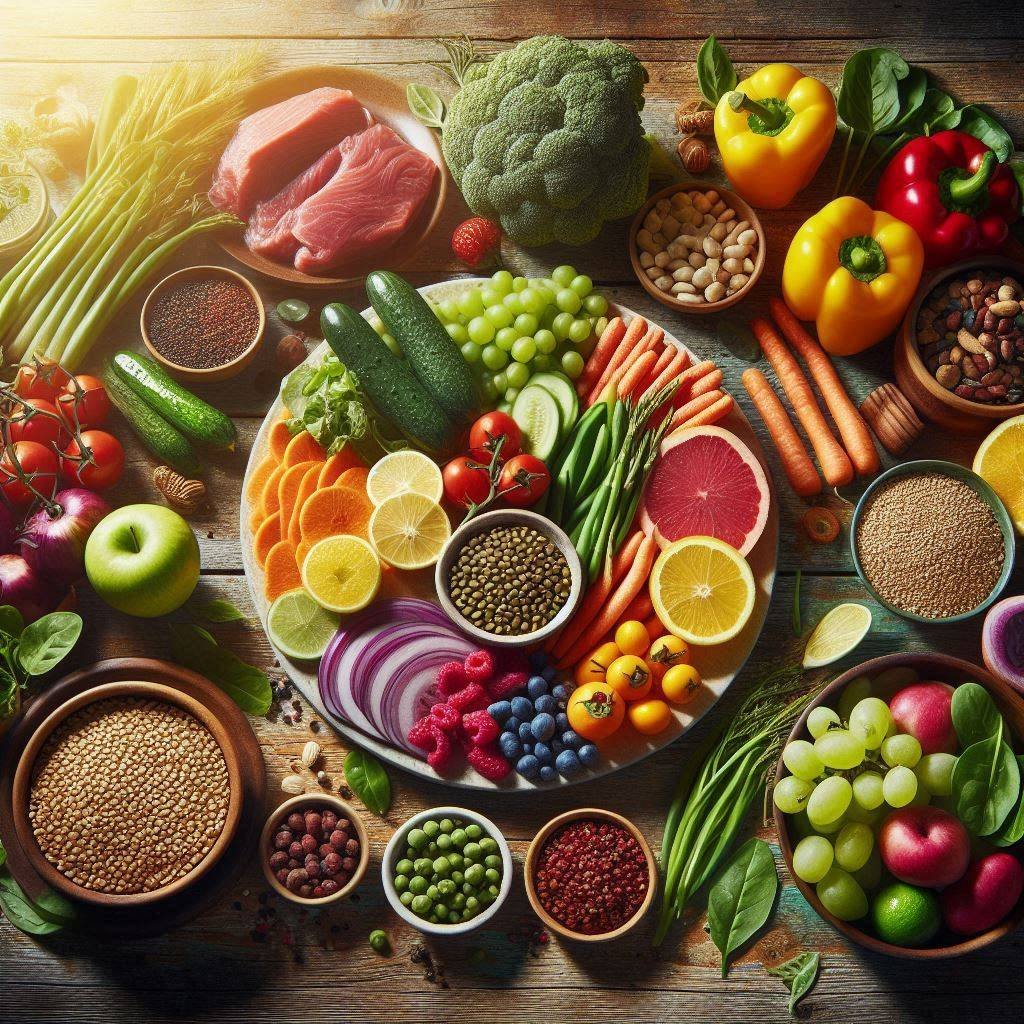
A nutritionally balanced meal made with locally-sourced foods containing vitamins and minerals.
Some practical tips to incorporate these foods in everyday meals
While knowledge of nutritional value is important, it is more important to be able to put it into practice. A balanced breakfast could consist of millet porridge with slices of pawpaw and a few tiger nuts. Lunch might include beans in a veggie bundle like ugu and sweet potatoes. A vegetable based soup with moringa, spinach and okra could be served for dinner. Oranges, watermelon, cucumbers or garden eggs make good snacks during the day.
These combinations make a good example of healthy food choices — and tell you that healthy eating does not have to be a complicated or expensive process. The use of a mix of fruits, vegetables, grains, legumes and traditional foods allows people to develop balanced, nutritious and varied meals that are satisfying, affordable and good for them. It is important to concentrate on variation and continuity, not perfection.
Creating a Cost Effective Nutrition Plan
A great way to eat healthy on a budget is to use seasonal and local ingredients to create healthier meals. Seasonal fruits and vegetables can be cheaper and fresher than those that are out of season. Purchasing food from local markets, buying in bulk when it makes sense and cooking foods at home can save additional money.
An alternative strategy is to introduce new foods slowly, instead of making radical shifts in the whole food system at once. Simple changes like adding vegetables to soups, swapping in processed snacks for fruits and tiger nuts can add up over time. Making sustainable lifestyle changes is more effective than radical dietary changes.
Conclusion
Eating healthy doesn’t have to cost too much or be too complicated. There are plenty of low-cost superfood options that are available in many communities for people to obtain their valuable nutrients and overall wellbeing. The foods listed above, including moringa, ugu, garden egg, tiger nuts, zobo leaves, beans, sweet potatoes, fruits and vegetables, illustrate that healthy eating can be based on common and affordable foods.
Opting for locally grown foods that are high in vitamins and minerals, as well as learning how to incorporate those foods in common food patterns, can ensure that health is boosted without having to sacrifice finances. Making small, regular food improvements can help to create healthier eating habits, more nutrition knowledge, and a better understanding of how food can promote wellbeing for individuals and families.