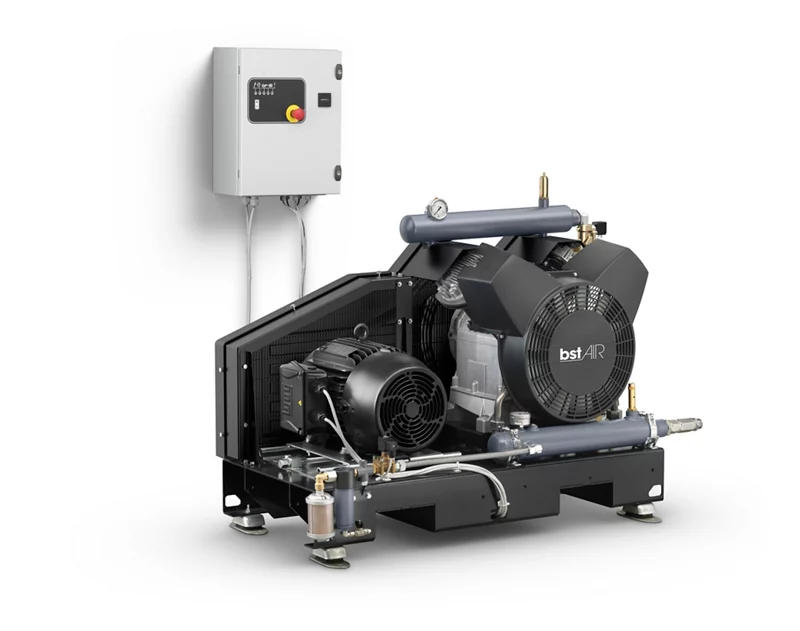
The air booster compressor serves as a high-pressure solution for applications requiring compressed air at pressures beyond the capability of a standard air compressor; by acting as a pressure booster or compressed air pressure amplifier, these booster systems enable existing air sources to achieve higher pressure levels for industrial, laboratory and production uses. This introductory overview outlines the principles, components, benefits, selection criteria, installation and maintenance considerations, troubleshooting and regulatory context for high-pressure booster compressors used to compress already compressed air or to amplify ambient air and nitrogen supplies into high-pressure air or gas suitable for demanding processes.
For more in-depth information you should view from Air Booster Compressor Manufacturer&Supplier – PanGeng
What is a booster compressor and how does it compress compressed air to higher pressure?
A booster compressor, commonly called a booster or air booster, is a specialized device that receives compressed air from a primary compressor or ambient air source and increases the discharge pressure to a higher pressure level needed by downstream equipment; by staging compression or using pressure amplification principles, the booster compresses compressed air that is already at some inlet pressure and raises its discharge pressure often to levels a standard air compressor cannot economically provide. The distinction is that a booster compressor is designed to take inlet pressure as its starting point and further compress that air or nitrogen to meet specific psi or high-pressure air requirements, functioning as part of booster systems integrated into compressed air systems or as a standalone air pressure booster system where space or energy constraints preclude installing a separate high-pressure compressor.
What is the difference between a booster compressor and a standard air compressor?
The principal difference between a booster compressor and a standard air compressor lies in purpose and design: a standard air compressor or primary compressor generates compressed air from ambient air and is sized to supply general plant compressed air pressure and flow, whereas a booster air compressor is optimized to increase pressure from an existing inlet pressure to a higher discharge pressure with efficiency and safety considerations appropriate for high-pressure air. Booster work typically emphasizes pressure ratio, small volumetric flow increases at high psi, and robust pressure containment, while a standard air compressor focuses on delivering larger volumetric flows at moderate pressure; consequently, booster systems and high-pressure boosters employ specialized materials, sealing, cooling and control systems to handle high-pressure compressed air and high-pressure compressed air or nitrogen safely and reliably.
How does an air booster increase compressed air pressure or air and nitrogen pressure?
An air booster increases compressed air pressure by mechanically further compressing the incoming air or nitrogen using pistons, stages of compression, or turbine-driven amplifiers that convert mechanical work into increased compression; typical booster work uses one or multiple stages where inlet pressure, pressure ratio, compression efficiency and cooling between stages determine the attainable discharge pressure and temperature. Booster compressors are capable of handling air or nitrogen to produce high-pressure air or nitrogen by controlling the inlet pressure, staging compression to limit thermal stress, and using intercooling and appropriate control valves so the compressor booster can reach the required psi while maintaining the integrity of the compressed air system and connected pneumatic equipment.
What components make up a compressor booster or high-pressure booster?
A typical high-pressure booster comprises a drive unit (electric motor or gas-driven prime mover), compression element(s) such as pistons or high-pressure stages, intercoolers and aftercoolers, inlet and discharge valves, pressure sensors and regulators for control, safety relief valves, filtration and oil separation systems if oil-lubricated, and mounting and piping designed for the discharge pressure. For booster systems handling air or nitrogen, specific components include a stable inlet supply connection to existing air, check valves to prevent backflow, pressure gauges to monitor discharge pressure or psi, and a control panel that sequences the booster with the primary compressor or modulates it to maintain the desired pressure level; these components together form a compressor booster or air pressure booster system suited for high-pressure booster applications like pressure testing or supplying pneumatic actuators at high-pressure compressed air levels.
What are the benefits of a pressure booster and when should I use an air pressure booster?
The benefits of integrating a pressure booster into an air system include the ability to achieve higher pressure without installing a separate high-pressure compressor, improved flexibility to supply intermittent high-pressure demands, potential cost and footprint savings, and the capacity to upgrade an existing air system to meet specific psi requirements for industrial applications. An air pressure booster is particularly advantageous when processes require short-duration high-pressure air for stress testing, pressure testing, or to drive pneumatic tools and hydraulic amplifiers that need high-pressure air or nitrogen, or where procuring a dedicated high-pressure compressor would be disproportionate to the required duty cycle. By leveraging existing compressed air supplies, a compressed air booster allows plants to cost-effectively meet occasional or variable high-pressure needs while keeping the primary compressor optimized for base-load compressed air supply.
How does a booster improve performance in compressed air systems and pneumatic tools?
Boosters improve performance by delivering consistent high-pressure air to pneumatic tools and actuators, ensuring that pressure-dependent tools operate at their intended psi and torque, which leads to improved cycle times, greater force outputs and more reliable operation in processes such as clamping, forming and pneumatic control systems. In compressed air systems where the primary compressor cannot achieve required discharge pressure for specific tools or operations, a compressor booster provides focused high-pressure capabilities without overburdening the standard air compressor, thereby maintaining system stability and preventing pressure lags that can degrade performance and throughput in production lines, laboratory setups and high-precision industrial applications like laser cutting where stable air pressure can affect cutting quality.
Can a compressed air booster reduce the need for a larger air compressor?
Yes, in many scenarios a compressed air booster reduces or eliminates the need for a larger or additional high-pressure compressor by allowing an existing standard air compressor to supply base pressure while the booster raises pressure for intermittent or specialized high-pressure demands; this hybrid approach can result in lower capital expenditure and more efficient use of energy because the primary compressor does not need to operate continuously at elevated pressures, thereby avoiding the energy penalty associated with running a high-pressure compressor full-time. However, when continuous high-pressure supply is required, or when duty cycles and flow rates are large, selecting a dedicated high-pressure compressor may be more appropriate than relying solely on a booster.
What cost and energy savings come from installing a compressor booster?
Cost and energy savings derive from reduced capital investment compared with purchasing and installing a dedicated high-pressure compressor, reduced operating hours for the primary compressor at elevated discharge pressure, and potentially improved overall system efficiency because boosters can be used only when high-pressure demands arise. Energy savings will depend on duty cycle: when high-pressure demand is sporadic, a booster powered only during those intervals consumes less energy than continuously running a high-pressure compressor, while maintenance and installation costs can also be lower since a booster air compressor is often smaller and simpler to integrate into existing compressed air systems. A thorough life-cycle cost analysis that includes power consumption at operating psi, maintenance intervals for high-pressure boosters versus high-pressure compressor alternatives, and the projected frequency of high-pressure use will determine the economic advantage of installing a pressure booster.
How do air booster systems work — booster work, stages and amplifier principles?
Air booster systems operate on the principle of increasing pressure through mechanical compression stages or amplification mechanisms, where booster work is performed by converting drive energy into compression through pistons, diaphragms or volumetric displacement; systems may be single-stage for modest pressure multiplications or multi-stage for achieving very high-pressure air or nitrogen with intercooling to manage temperatures and maintain compression efficiency. In essence, a compressed air pressure amplifier uses successive reductions in volume at controlled temperatures to reach higher pressure while control systems regulate the inlet pressure, discharge pressure and sequencing between the primary compressor and the booster to ensure safe and effective operation in compressed air systems and industrial applications that demand elevated psi.
What is the operating principle of a high-pressure air booster or amplifier?
The operating principle of a high-pressure air booster or amplifier is based on thermodynamic compression: the booster takes inlet air at a certain inlet pressure and compresses it to a higher discharge pressure by reducing the volume of the gas in a controlled manner, often through reciprocating pistons or multi-stage compression where each stage increases pressure incrementally and intercooling removes heat to preserve efficiency and prevent overheating. Control valves, pressure regulators and safety relief devices manage the pressure transition from inlet to discharge, while instrumentation monitors discharge pressure and temperature to ensure the booster meets specified performance metrics for high-pressure compressed air or high-pressure compressed air and nitrogen applications such as pressure testing and pneumatic systems requiring precise psi levels.
How many stages are typical in a high-pressure booster for higher pressure or psi requirements?
The number of stages in a high-pressure booster depends on the target discharge pressure and the allowable compression ratio per stage, with common configurations ranging from single-stage boosters for modest increases to two- or three-stage boosters for significantly higher pressures and multi-stage units for very high-pressure applications; each additional stage reduces the pressure ratio per stage, improving efficiency and thermal management while enabling attainment of higher overall pressure necessary for demanding industrial applications. Selection of stages must consider inlet pressure from the existing air or primary compressor, desired discharge pressure in psi, intercooling needs, and the booster manufacturer’s design limits to ensure reliable booster work and compliance with safety standards for high-pressure boosters.
How is pressure regulated and controlled in booster work and booster systems?
Pressure regulation in booster systems is accomplished through electronic controllers, pressure transducers and valves that modulate operation to maintain the desired discharge pressure; common control strategies include start/stop based on set pressure thresholds, variable speed drives to precisely control compressor speed and output, and pressure sequencing when multiple boosters or a primary compressor work together to meet system demand. Safety interlocks, pressure relief valves and redundant pressure monitoring protect the compressed air system from overpressure, while control logic coordinates booster activation only when inlet pressure and flow are adequate to safely perform booster work and achieve the intended discharge pressure without undue stress on the booster or connected pneumatic equipment.
Which industrial applications use compressed air booster compressors and compressor boosters?
Compressed air booster compressors are employed across many industrial applications that require high-pressure air or nitrogen, including pressure testing of piping and vessels, laser cutting where assist gas pressure affects quality, pneumatic tool supply for high-force operations, stress testing and leak detection, laboratory and research systems requiring controlled high-pressure air, and production lines needing pressurized air for forming, clamp and test operations. Booster air compressors are also used to provide high-pressure gas for calibration, for supplying nitrogen at pressure for inerting operations, and for specialized applications where space constraints or intermittent high-pressure demand make a booster more practical than a separate high-pressure compressor.
Where are booster air compressors used in industrial processes like laser cutting and pressure testing?
In laser cutting, booster compressors can supply high-pressure compressed air or nitrogen as an assist gas to improve cut quality and increase cutting speed by maintaining consistent high-pressure flow at the nozzle; for pressure testing, boosters provide the necessary high-pressure air or nitrogen to pressurize systems under test to required psi levels during hydrostatic or pneumatic tests and stress testing, allowing operators to perform controlled pressure ramps and hold periods. In both cases, the booster ensures that the pressure level and stability meet the precise demands of the industrial application while integrating with compressed air systems and safety protocols to prevent overpressure or contamination of the test media.
Can compressed air boosters provide high-pressure air for pneumatic systems and stress testing?
Compressed air boosters readily provide high-pressure air for pneumatic systems and stress testing by elevating inlet pressure to the required discharge psi, enabling pneumatic actuators, presses and test rigs to operate at pressures beyond the capability of the plant’s standard air compressor; boosters are particularly useful for periodic stress testing where temporary high-pressure supply is necessary, as well as for continuous pneumatic operations where localized high pressure is needed while preserving the broader compressed air system at standard air pressures for typical plant use.
What role do boosters play in supplying air or nitrogen for production lines and lab applications?
Boosters play a crucial role in supplying air or nitrogen for production lines and lab applications by providing on-demand high-pressure air or gas that supports specialized processes such as component testing, instrument calibration, pneumatic actuators for high-force operations, and controlled environmental chambers where pressurized nitrogen may be required. By integrating booster systems with existing compressed air infrastructure, production and laboratory operations gain flexibility and precision in achieving and maintaining the necessary high-pressure conditions without oversizing the primary air compressor or compromising the compressed air pressure available to other plant systems.
How to choose the right air booster or pressure booster for my air system?
Selecting the right air booster involves analyzing required discharge pressure and flow, inlet pressure availability from existing air supplies, duty cycle, compatibility with air or nitrogen service, required pressure ratio, and environmental or space constraints; considerations include whether the booster will operate intermittently for pressure testing or continuously for production, the desired psi and pressure stability, the quality of compressed air (filtration and dryness) needed, and integration with primary compressor controls and plant safety systems. Evaluating these factors alongside manufacturer specifications for booster work, materials, and certifications will guide the appropriate sizing and configuration for a compressor booster that meets the operational demands of your air system.
What factors determine the required compressed air pressure and booster sizing?
Key factors determining required compressed air pressure and booster sizing include the maximum discharge pressure (psi) needed by downstream equipment, the volumetric flow rate at that discharge pressure, inlet pressure and available flow from the primary compressor or ambient supply, temperature and gas type (air or nitrogen), duty cycle and anticipated peak demands, and acceptable pressure drop across the system; additionally, factors such as pressure ratio limits per stage, intercooling capacity, and the need for filtration or oil separation influence booster selection so that the booster compressor can reliably deliver the required high-pressure compressed air without exceeding material or thermal limits.
Should I add a booster to existing air or use a separate high-pressure compressor?
The decision to add a booster to existing air versus installing a separate high-pressure compressor depends on duty cycle, required flow at high-pressure, energy cost analysis, space and capital availability, and safety considerations; if high-pressure demand is intermittent and flow requirements are modest relative to the existing compressed air capacity, adding a booster is typically more cost-effective and less disruptive, whereas continuous high-pressure demand or very large flow rates may justify investing in a dedicated high-pressure compressor to optimize efficiency and reduce lifecycle costs. A comprehensive assessment including projected usage patterns, integration complexity with existing air systems and compliance with safety and regulatory requirements will determine the most appropriate approach.
How do brand options like Atlas Copco compare to other booster air compressor manufacturers?
Brand comparisons, such as Atlas Copco versus other booster air compressor manufacturers, should consider reliability, performance at specified discharge pressure, efficiency, availability of service and spare parts, controls and integration features, warranties and local support such as Atlas Copco USA presence for North American operations, and track record in high-pressure booster compressors. Reputable suppliers provide detailed performance curves indicating discharge pressure and flow, information on pressure ratios and stages, and the ability to handle air or nitrogen service; comparing these specifications, along with lifecycle costs and references from industrial applications similar to yours, will help select an air booster system or high-pressure booster compressor that best matches operational requirements and long-term maintenance expectations.
How to install, operate and maintain a compressor booster or air pressure booster system?
For a proper install of a compressor booster you want adequate foundation, plus ventilation or exhaust so heat can leave, and everything stays stable. Also make sure the drive units are lined up correctly ,and that the piping is put in place securely, it must be rated for the discharge pressure that you actually plan to use. If the air is compressed air and not another medium you should have proper filtration and drying upstream, otherwise moisture and particles will build up. Then you need the control and safety instrumentation installed in the right locations, with setpoints that match the design. Finally verify the inlet pressure is actually sufficient coming from the primary compressor, because the booster can not magically fix low supply pressure.
During operation you should follow the manufacturer guidance for start-up sequencing. Keep monitoring inlet pressure and discharge pressure, plus watch temperature closely. If the booster uses oil, also monitor oil level and condition as the manual requires. You should coordinate the booster activation with the plant compressed air control scheme ,so the system avoids pressure surges and the booster can do smooth work inside the overall air system.
For high-pressure boosters, the installation requirements and safety checks usually include:
– Foundation and ventilation: confirm the base is rigid, level, and able to handle vibration, and ensure airflow clearances for safe cooling
– Alignment and drive integrity: check alignment of motors and couplings before running, verify guards are in place
– Pressure-rated piping and fittings: confirm every section is rated for the intended discharge pressure, include proper supports and leak checks
– Valves, check valves, and relief protection: ensure correct valve sizing and that relief devices are installed and unobstructed where required
– Filtration and drying: confirm upstream filtration and dryer performance if compressed air is involved
– Instrumentation: install pressure sensors, temperature sensors, and control devices per the approved layout
– Interlocks and safety functions: verify trips, alarms, and shutdown sequences work as designed, including high discharge temperature or pressure limits
– Inlet conditions verification: confirm the primary compressor can supply the required inlet pressure under expected load
– Start-up and monitoring safety: perform staged start-up as stated, verify stable readings before proceeding to normal duty
– Leak and insulation checks: carry out pressure tests or leak checks before commissioning, verify insulation and covers if temperature protection is used
– Compliance checks: confirm adherence to applicable regulations and the site’s pressure vessel and piping requirements
Installation requirements and safety checks for high-pressure booster systems involve checking that the piping, valves and fittings are certified for the unit’s maximum discharge pressure, then making sure you install pressure relief valves and burst protection devices, do leak testing before commissioning, and verify that the installation has proper ventilation for heat rejection and any exhaust routing. You also need electrical and grounding checks performed, and it has to be confirmed that the control interlocks will block operation if inlet pressure is unsafe or if cooling conditions are not sufficient. Safety protocols should further cover isolation steps for maintenance, signage showing high-pressure dangers, and training so personnel understand the risks from high-pressure compressed air systems.
For routine maintenance, what keeps a compressed air booster dependable and helps extend the service life?
For high-pressure air systems you need several safety devices and pressure relief measures, because if something goes wrong there is no easy way to unwind it. Typically there should be pressure relief valves sized for the maximum credible pressure , mounted where they can protect the right volume, and installed with discharge piping that leads to a safe area. In many setups you also add burst discs or rupture panels as a backup idea, then route both toward safe venting so the vent stream does not endanger nearby personnel.
You should also include pressure sensors or pressure transmitters with alarms tied to a control system, and then set hard limits for shutdown when the readings drift too high. A check valve and isolation valve arrangement helps prevent unwanted backflow and keeps parts from seeing extra stress during abnormal cycles. If the air goes through booster stages, then the system design often needs relief protection on both sides of the booster, plus guarding for intercoolers and aftercoolers , since fouling can contribute to higher stress and unstable conditions.
Finally, make sure there is a clear inspection and testing plan, including periodic verification of relief valve reseating , calibration of sensors , and confirmation that vents are not blocked, frozen , or obstructed. Keeping those records in the maintenance log matters because it supports audits and compliance , and it helps you track repeated events before they turn into damage.
In high pressure air setups safety devices and pressure relief actions usually mean having correctly sized pressure relief valves, and when it fits, burst discs as well. It also helps to use redundant pressure monitoring, plus audible and visible alarms, because a single failure should not quietly go unnoticed. Check valves are needed to prevent backflow, and pressure regulators are used to limit what happens downstream. An emergency shutdown arrangement should be in place too, so the booster gets isolated if abnormal conditions appear.
Beyond that, installation of pressure-rated isolation valves matters, and the relief devices need regular testing to confirm they will operate when required. Everything, meaning every component, must be rated for high-pressure compressed air or nitrogen service, so the chance of catastrophic failure is reduced and personnel, equipment, and the overall integrity of the compressed air system are protected.
What troubleshooting steps fix common compressed air pressure booster problems?
Troubleshooting common compressed air pressure booster problems is best done with a somewhat systematic approach but people often skip steps. First you check whether your inlet pressure is actually sufficient, either from the primary compressor or from the ambient source. Then you go look for leaks in the piping and at the connections, because even small losses can create noticeable pressure drops. After that inspect valves and seals for wear, since that reduces compression efficiency without always making things obvious. You also monitor temperatures and cooling performance for any signs of overheating, and finally you examine control and instrumentation, especially faulty sensors or improper setpoints that keep the booster from achieving the required high pressure, measured in psi.
If each possible cause is isolated in turn and technicians use diagnostic data from pressure sensors and flow meters, they can usually tell whether repairs maintenance is enough, or whether a component needs replacement to get the booster running properly again.
Why is my air booster not reaching the required high pressure or psi?
When an air booster does not reach the pressure it needs, there are a few usual suspects. Sometimes the inlet pressure, and the inlet flow coming from the primary compressor or from the ambient supply, are just not there. Other times the trouble is inside the plumbing, like leaks, or small restrictions in the inlet line, or discharge line. You can also see worn compressor internals, for example piston rings or valves, that end up reducing compression efficiency in a quiet way. Then there is control setup, improper parameters or pressure sensing instruments that are out of calibration. There can even be thermal effects, when intercooling is weak and the booster trips, or it derates because of temperature limits. Usually a step by step check of inlet conditions, a hands on inspection of the mechanical parts, and a calibration review for pressure sensors will show the root problem. After that, the fixes are often repair of wear items, adjustment of control parameters, or sealing up leaks, then the booster can return to the expected performance.
Pressure drops in booster systems can come from leaks, or from flow losses through piping and fittings, and also from internal inefficiencies in the compressor section. To diagnose leaks or inefficiencies, start by verifying the inlet conditions: confirm inlet pressure and flow are stable and meet the spec. Next, check for restrictions: look at the inlet and discharge piping for valves half closed, clogged filters, odd pressure differentials across components, or fittings that should be tight but arent. For leaks, do a pressure decay check if you can isolate segments, and listen for hissing while the unit is running at steady conditions. Also compare pressure readings at multiple points, like inlet, compressor discharge, and after any aftercooler or receiver, because a sudden drop between two points usually points to where the loss is happening. For inefficiencies, monitor how the booster responds under load: if compression efficiency falls, you may see the discharge pressure not rising as expected, or higher than normal temperatures. Then inspect mechanical wear, and check control and instrumentation again, especially the pressure sensor placement and calibration, since an incorrect signal can make the control system chase the wrong targets.
Pressure drops inside booster systems usually come from leaks in the high pressure piping and fittings, clogged filters, check valves that are not acting right, insufficient inlet pressure, or gradual wear in compression components. To figure out leaks or weak performance, do a pressure decay test, apply ultrasonic leak detectors on the pipe runs and joints, check the filter differential pressure and verify check valve operation, then look at performance curves to see whether the booster is running beyond its stated pressure ratio or flow limits. Keeping records of inlet and discharge pressures, flow rates and temperature profiles while it is running helps identify where the inefficiency is happening, and it supports repairs that are more targeted, plus system adjustments meant to cut losses and bring back the compressed air pressure you need.
When should I service, repair, or replace a failing booster compressor?
Service, repair, or replacement decisions should be based on the performance decline that is actually observed, how often repairs are needed and what they cost, plus any safety risks, and the overall economic balance between continuing routine upkeep and putting money into a new high pressure booster. Immediate service is appropriate when safety devices begin to activate, when the booster cannot reach the required pressure, or when it starts making unusual noises. Also, act right away if there are detected leaks, oil contamination, or if the maintenance log indicates critical components are about to wear out. Replacement becomes the better choice when the repair expense gets close to the price of a brand new unit, when newer booster designs bring measurable technological and efficiency improvements that justify capital spending, or when the booster no longer fits the changing operational needs for compressed air pressure and flow within the facility.
What regulations, standards and best practices apply to high-pressure booster compressors?
High pressure booster compressors have to follow a bunch of industry standards and regulations, especially around pressure vessel integrity and the safety relief side of things. You will usually see rules that cover materials and design codes, plus environmental considerations as well. In practice, people often reference ASME standards or PED directives, both of which belong to pressure equipment requirements. Then there are the local occupational safety regulations for compressed air setups, and also industry best practices for installation, use, and upkeep, so the handling of high pressure air and nitrogen stays safe.
Being compliant typically means keeping the right paperwork: design certification documentation, periodic inspections, records from pressure tests, and making sure service intervals and safety device testing follow what the manufacturer specifies.
So, what industry standards govern high pressure air and nitrogen booster systems?
Industry standards that govern high pressure air and nitrogen booster setups usually include national and international pressure equipment directives, ASME Boiler and Pressure Vessel Code sections that fit pressure containing components, and other safety standards for pneumatic systems including instrumentation and electrical integration too. These standards set design margins, test procedures, requirements for relief devices, and material traceability so that high pressure boosters along with linked piping can safely hold high pressure compressed air or high pressure air or nitrogen, depending on the industrial use. Following these rules supports reliability and regulatory compliance where high pressure compressed air is used in production, testing, and research.
To document pressure testing, maintenance, and compliance for booster systems, keep a folder or database that has the design basis, test evidence, and ongoing upkeep records in a traceable way. Include, at minimum, the following items.
1. Pressure testing documentation
– Test plan: date, procedure name, test pressure, hold time, acceptance criteria, sampling method if applicable, and who witnessed it.
– Test setup details: gauges used (calibration due dates), sensors, hoses, isolation steps, and any required lockout tags.
– Method description: hydrostatic vs pneumatic/air, step sequence, venting approach, and how leak checks were performed.
– Results log: start and end readings, temperature notes, any deviations, corrective actions, and final pass/fail outcome.
– Traceability: link test records back to the specific booster serial number, piping section identifiers, weld maps, and materials.
2. Maintenance documentation
– Maintenance schedule: planned inspections, lubrication intervals if applicable, filter checks, regulator or control checks, and scheduled leak inspections.
– Work orders and service reports: what was done, parts used (part numbers and material spec where relevant), torque values if applicable, and any observations like seal wear or unusual pressure fluctuations.
– Calibration records: confirm instruments tied to pressure and control loops are calibrated and within tolerance.
– Updates to drawings: if you modify hardware, document revised diagrams and change authorization.
3. Compliance documentation
– Applicable standards list: explicitly name the directives, ASME Code sections, and any site or customer requirements that apply to the installation.
– Code alignment statement: how your design, testing, and relief devices meet the required sections and margins.
– Relief device records: relief valve sizing basis, set pressure certificates, verification tests, and installation documentation.
– Material traceability: certificates or mill test reports for pressure bearing components, fasteners, and relevant piping materials.
– Safety review records: risk assessments, inspection outcomes, and signoffs for any deviations.
4. Periodic inspection and verification
– Inspection reports: internal and external inspections, thickness checks if required, visual inspection of supports, and documentation of corrosion or wear findings.
– Repair and requalification: if a repair affects pressure parts, document the repair procedure and any follow up testing.
5. Version control and retention
– Controlled document IDs: make sure each procedure, drawing, and test report has a revision number.
– Storage policy: retention time, access controls, and who is allowed to approve updates.
– Master index: a single table that points to every test and compliance record for each booster unit, so an auditor can trace everything quickly.
If you tell me your system configuration (booster type, max pressure, relief method, and whether testing is hydrostatic or pneumatic), I can suggest a practical document list and a template outline you can follow.
Documentation for pressure testing, upkeep, and compliance should cover the full set of records, like commissioning tests in detail, periodic pressure checks and verification of relief device function, plus planned maintenance actions and replacement of parts. Also include calibration records for pressure sensors and the control instruments, incident reports if any safety events happen, and then certificates showing compliance with the relevant standards and inspection outcomes. Keeping a well organized record system, supports auditability. It also makes it easier to foresee maintenance needs using prior performance, and it shows regulators plus stakeholders that booster systems are being managed according to best practices for high pressure compressed air equipment.
For environmental and safety best practices with compressed air booster installation, and later disposal, focus on things like site risk control, proper venting practices, and careful handling of any fluids or components during removal. Ensure the installation follows applicable local rules, uses safe guarding around high pressure lines, and maintains clear labeling and procedures for operations. When it’s time for disposal, manage components through approved waste routes and verify that any residual pressures, stored energy, and contaminants are handled responsibly.
Environmental as well as safety best practices around a compressed air booster installation and disposal should really focus on cutting down leaks, because that reduces wasted energy in a practical way. You also need to make sure you have proper ventilation and good noise control, not just “good enough” but managed. Then there is the management part for lubricants and filters , where disposal must follow the applicable environmental regulations, no shortcuts. When you are decommissioning the equipment, you should use pressure relief procedures plus safe isolation steps so you prevent an accidental release of high-pressure air or nitrogen.
For end of life handling, responsible disposal means following the local rules for recycling metal components, and also properly handling any leftover oils or other potentially hazardous materials. During normal operation , safety practices should include training for the people involved, use the correct personal protective equipment, and follow documented procedures. This helps reduce the risks linked to high-pressure compressed air systems, including issues that can occur when isolation or handling is not done the same way each time.