Schools, workplaces, markets, buses and train stations are all public places where lots of people gather every day and hygiene is a key factor in achieving healthier environments. Many germs can be spread by coughing, sneezing, touching surfaces, handling shared objects and poor waste disposal. In the close quarters found in dense environments, basic daily hygiene can help to minimize the transmission of harmful bacteria and viruses, and keep people and communities safer. Education about public health has demonstrated that by maintaining regular hygiene habits, there is a significant reduction in the risk of contracting a disease and a cleaner, safer community environment for all.
The Centers for Disease Control and Prevention (CDC) indicate that proper hygiene practices — handwashing, respiratory etiquette, and cleanliness — are all integral to living a healthy lifestyle. When it comes to good hygiene behavior, it doesn’t need to be complicated or expensive because a few simple steps can go a long way to preventing the spread of illness. By learning this, we hope that people may become more responsible in doing personal hygiene in school, work, public transportation and other public spaces.
Students will discuss why hygiene habits are important in shared spaces
The importance of hygiene behavior is because there are many surfaces and objects in public places that are handled by many people throughout the day. Gloves, doors, desks, railings, elevator buttons, shopping carts, telephones, and other seating areas can harbor germs that are spread by hand-to-hand contact. Hands can become contaminated by touching the face, eyes, nose or mouth, which can lead to the spread of harmful microorganisms to the body and a higher risk of getting sick.
Close proximity and longer periods of time in a communal setting leads to the spread of germs. Students share learning resources and classrooms in school. At work, workers share common equipment and shared areas like a kitchen or meeting room. When using public transportation networks, people come into close contact, especially when traveling during rush hour. These places may become breeding grounds for infections if you don’t practice good hygiene.

Good hygiene behaviour helps protect individuals, but also can help protect the community. Avoid germ transmission to keep people from getting sick and missing work or school and to keep them healthier in everyday interactions. Hygiene awareness is also playing a part in public confidence, clearer, sanitary environments mean people feel more comfortable sharing these spaces.
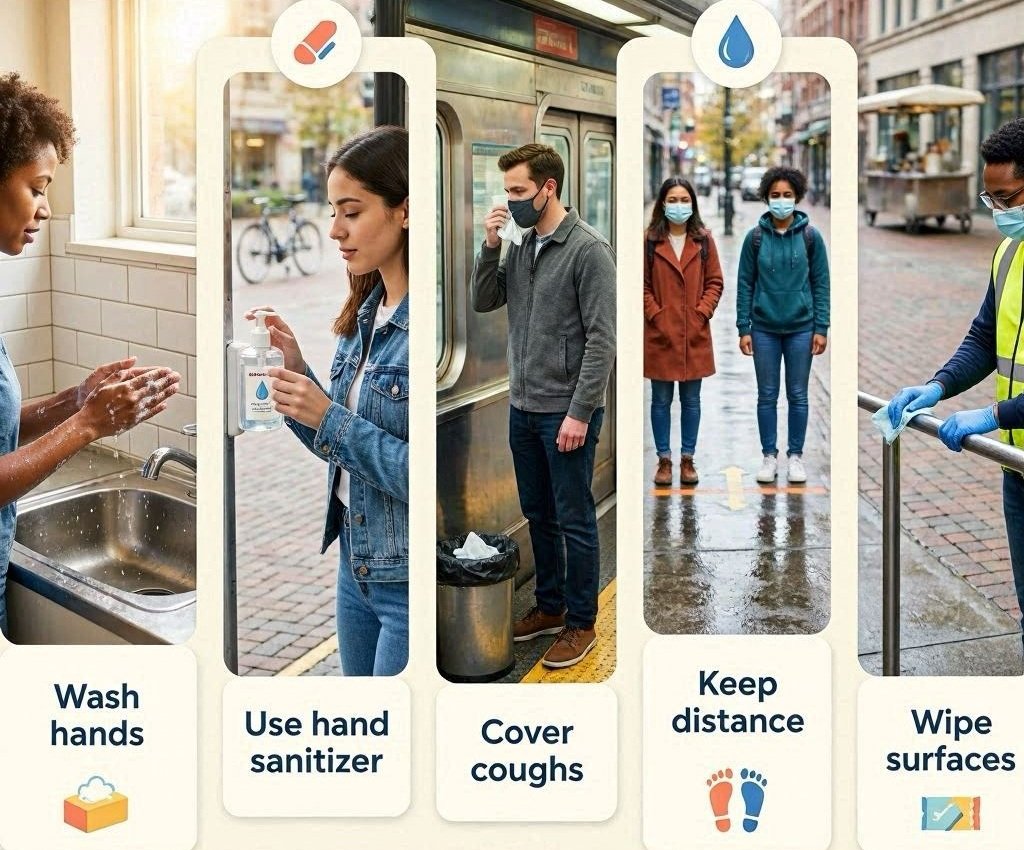
Personal responsibility is also important in maintaining public hygiene as everyone contributes towards the cleanliness and safety of shared environment. Washing hands, disposing waste properly, covering coughs—these are all small steps that each person can take to make communities healthier and to minimize the spread of preventable diseases.
Discover the importance of hand hygiene and its contribution to preventing germs
Hands touch many surfaces throughout the day and hand hygiene is one of the most effective measures to avoid spreading germs. Humans touch their faces frequently, making hand hygiene particularly important to minimise the risk of contact with bacteria and viruses. Frequent hand washing with soap and water helps to get rid of germs that can be passed to other people or into the body.
Handwashing should be done thoroughly and include the palms, back and between the fingers and under the fingernails. Hand hygiene should be emphasized before eating, after using the toilet, after coughing and sneezing, after touching public surfaces and after handling waste. Handwashing is an effective way to decrease transmission of illness in environments like schools and public transportation where many people share space and items.
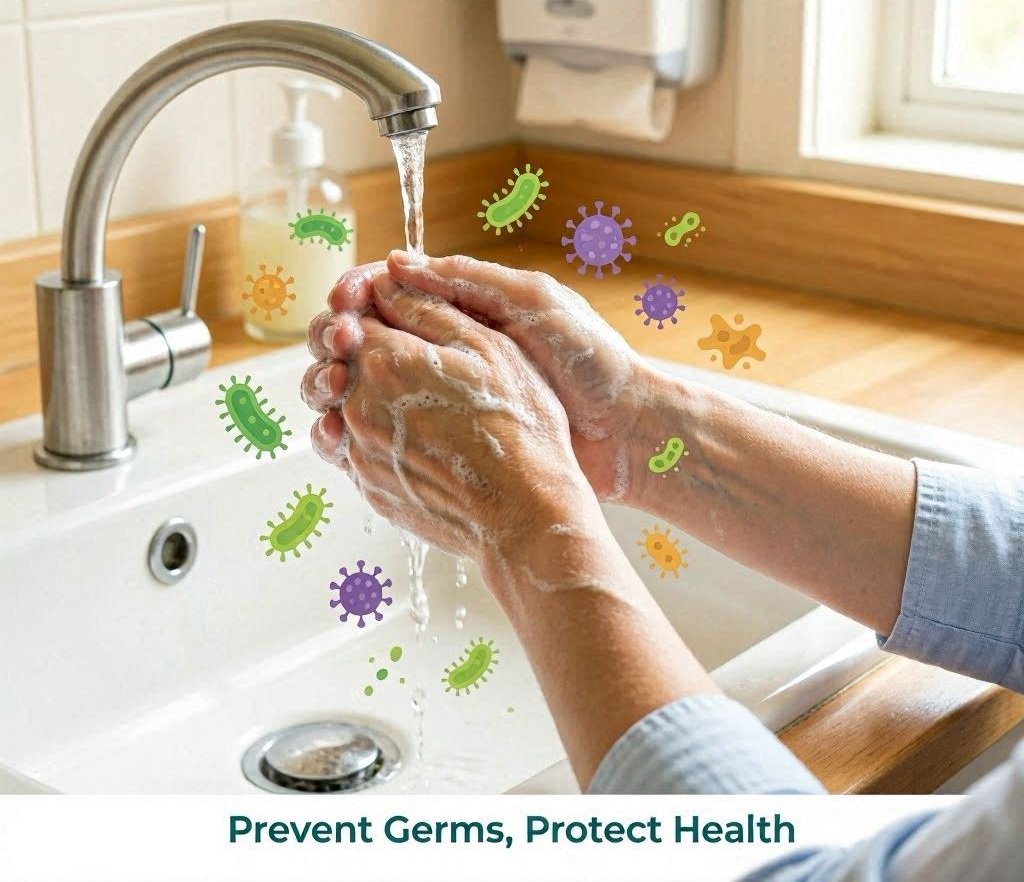
Alcohol-based hand sanitizers can help provide extra protection when soap and water are not available, as they help reduce germs on the skin. Hand washing is preferred however, if possible, as it physically removes dirt, oils and microorganisms from the hands. Popularizing hand hygiene in public areas, by carrying out awareness programmes and providing hand washing facilities, keeps communities cleaner.
Hygiene education, particularly, is beneficial for children and young students as it helps them adopt good handwashing practices and helps them sustain these practices throughout their lives. School and families can be a significant source of education for children on the importance of hygiene behaviors for personal and public health.
Ensuring that Coughs and Sneezes are properly covered
Respiratory Hygiene is another important aspect of preventing the spread of germs in the public domain. Coughing and sneezing spread and can aerosolize bacteria or viruses that can infect others if they are in close proximity. These droplets can spread rapidly if precautions aren’t taken in crowded areas like in a classroom, in an office, in a bus, or in a market.
Teaching children to cover their mouths or noses with their elbow or with a tissue when they cough or sneeze decreases the spread of respiratory droplets in a community. Immediately dispose of used tissues in such waste bins as appropriate, and wash hands when possible. Small habits to keep spread of airborne germs minimal in public places.
Those who are ill need to be aware of the need to avoid close contact with other people as far as practicable. Respiratory hygiene is good citizenship and helps to ensure safer interactions with others. When illness is more prevalent, good respiratory hygiene is even more critical to keeping illnesses from spreading among people in the community.
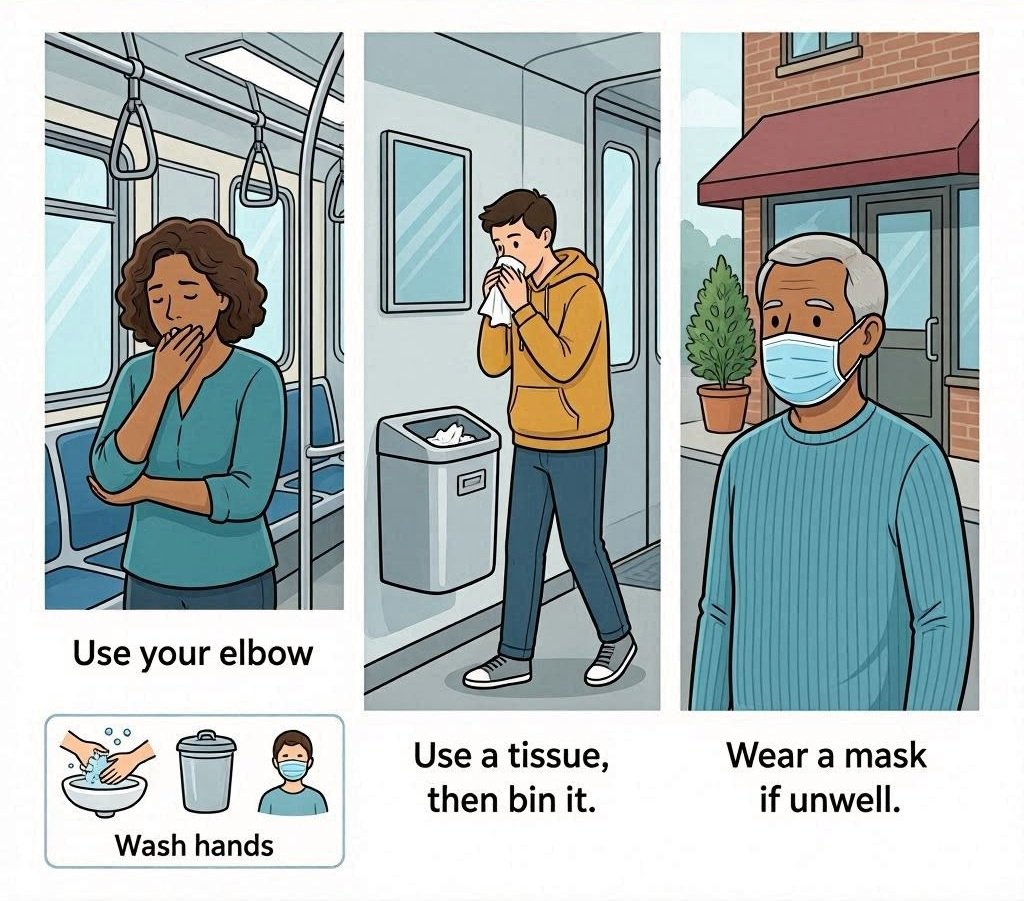
Many illnesses are transmitted by coughing and sneezing which is why advertisements promoting respiratory hygiene are often seen in public places. Pupils, employees and public sector transport operators can be given educational material to remind them to cover sneezes and to observe hand hygiene. These reminders reinforce positive behaviors that lead to healthier shared environment.
Practicing good hygiene in school and at work
A highly important aspect of hygiene awareness is in school and workplace where people spend many hours of their day. Neglecting proper hygiene can result in several opportunities for germs to spread in the shared desks, office equipment, classrooms, restrooms, cafeterias and break rooms. Cleanliness in these places promotes a healthier lifestyle and minimizes disruption due to illness.
Often students are in close contact in school settings, such as during class, in sports, and in group activities. Educating the young population about hygiene behavior promotes responsible behavior to protect personal and public health. Schools can encourage good hand hygiene, sanitise school spaces, waste disposal and respiratory hygiene as part of wider health education initiatives.
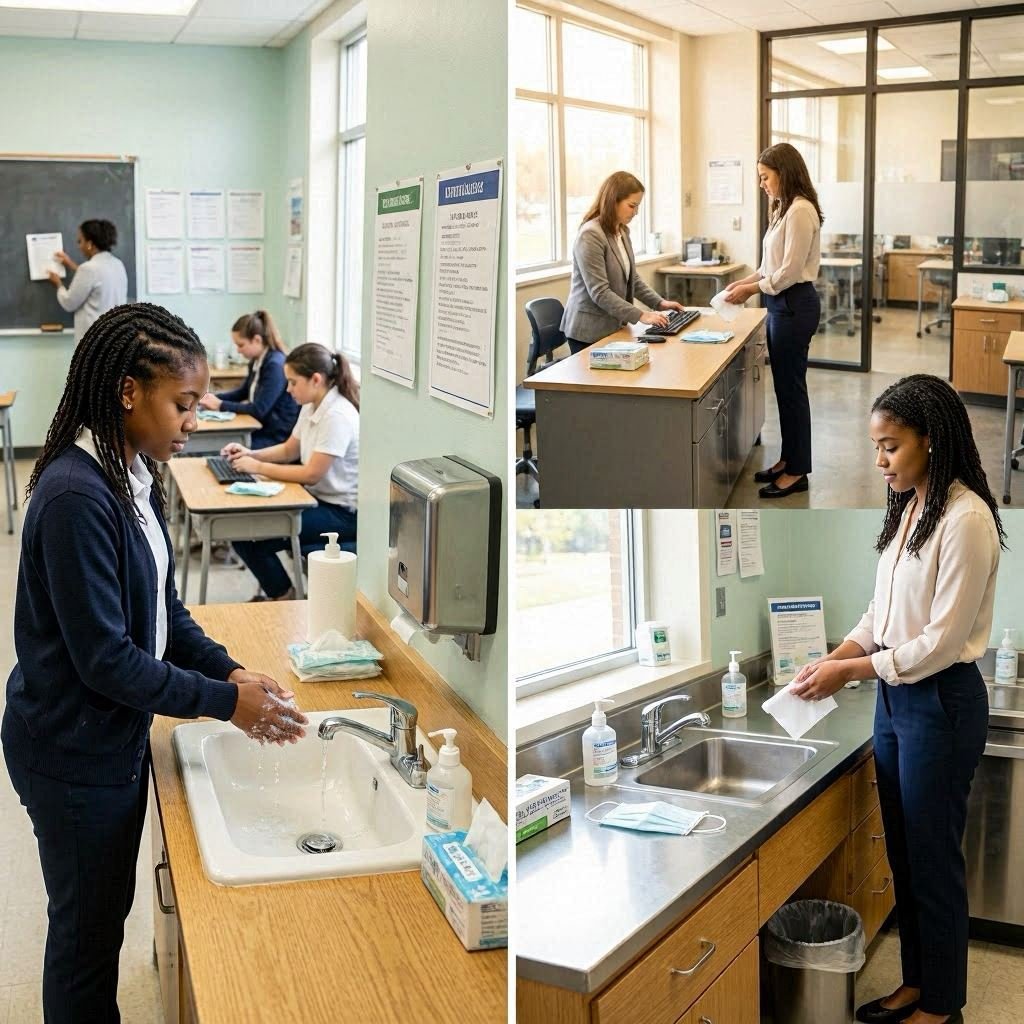
Good hygiene in the work place is also beneficial as healthy workers promote productivity and safe working environment. Frequently wash surfaces that are shared by multiple people, have hand washing stations, and have staff stay home when they are ill, can help to limit the spread of illness in the workplace. Personal work areas should also be kept tidy and clean to minimize accumulation of dirt and bacteria.
Hygiene behaviour in schools and workplaces affects the wellbeing of the wider community as diseases picked up in these settings can extend to the home and other public places. Good hygiene message awareness thus helps to provide overall public health protection and improves the daily interaction of people.
Sustainable waste disposal/cleanliness of the environment
Good waste disposal practices are crucial to good hygiene as poorly disposed of waste can encourage the presence of insects, spread bacteria and pollute the common environment. Waste, if not properly managed, can be unhygienic in public areas like markets, parks, transport stations, sidewalks, etc. Litter can cause storm water drainage problems, odors and exposure to disease-causing microorganisms.
Proper use of designated waste bins and proper disposal of tissues, food packaging waste etc. contribute to cleaner environment for all. Proper waste management systems in schools, workplaces and public areas help to promote hygiene in the environment by minimising contamination and the spread of disease. Cleaner communities and environmental conditions may also be a positive result of recycling and organized waste separation.
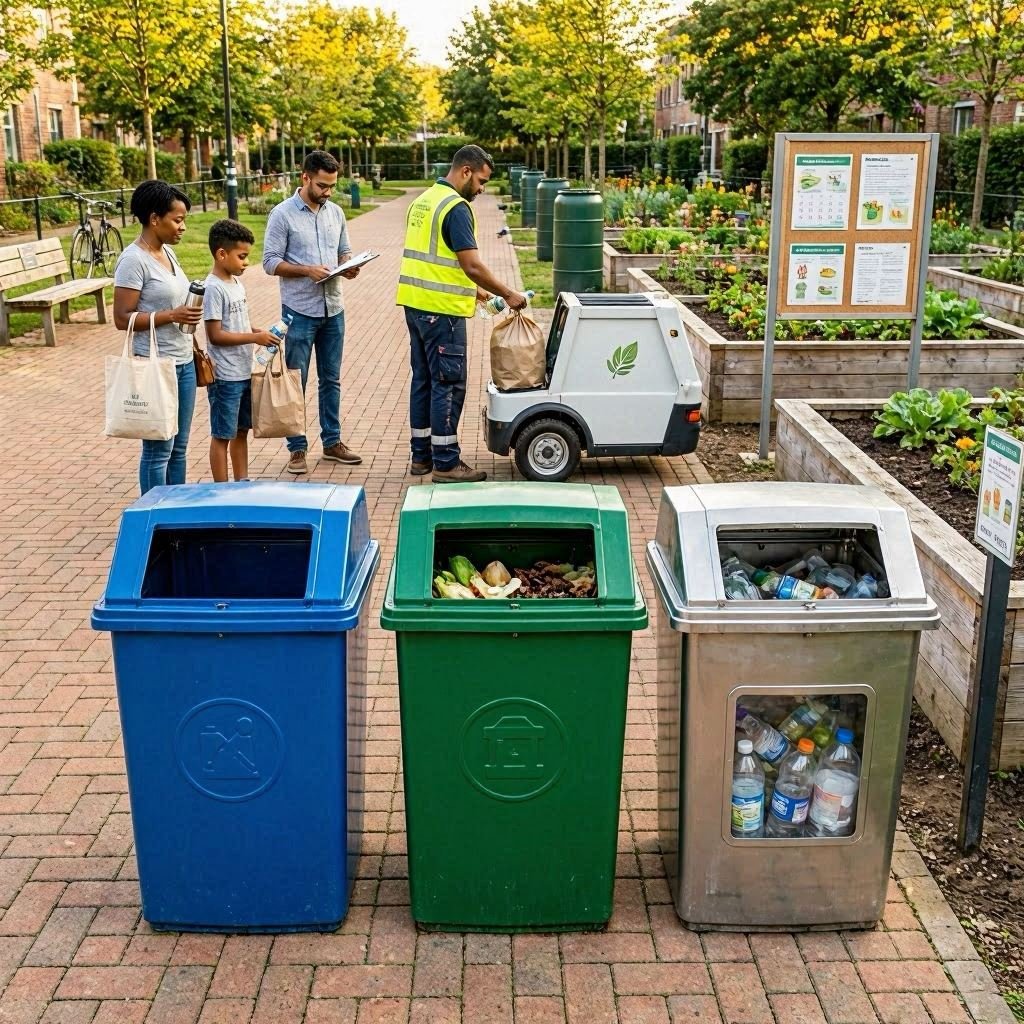
Cleanliness is not just about garbage collection, regular cleaning of communal surfaces also helps to minimize germs in communal areas. Doors, railings, desks and transport seats are among the objects that might need routine cleaning to ensure safer environments. Cleanliness is a major value for certain communities where healthier living and greater public comfort is observed.
Public participation is crucial as cleaning is not something that can be done by an individual alone but requires a collective responsibility. People are more likely to develop behaviors that will help maintain cleaner and safer communities when they know the impact of waste disposal on community health.
Hygiene Awareness on Public Transport
Public transportation systems are environments that have high contact areas, and occupants congregate in small areas everyday. Shared surfaces on buses, trains, taxis and at the stations can be a source of germs if hygiene precautions are not undertaken, such as where people sit, railings, ticket machines and waiting areas. Regular users of public transport are particularly concerned with hygiene awareness because it is a common mode of transport for many people.
Travelers can help prevent spread of germs by washing their hands after touching surfaces they have passed by and not touching their face as they travel. Properly covering coughs and sneezes also prevents nearly passengers from being protected in transportation facilities. Proper maintenance of personal belongings and no littering help to create healthier travel environments.
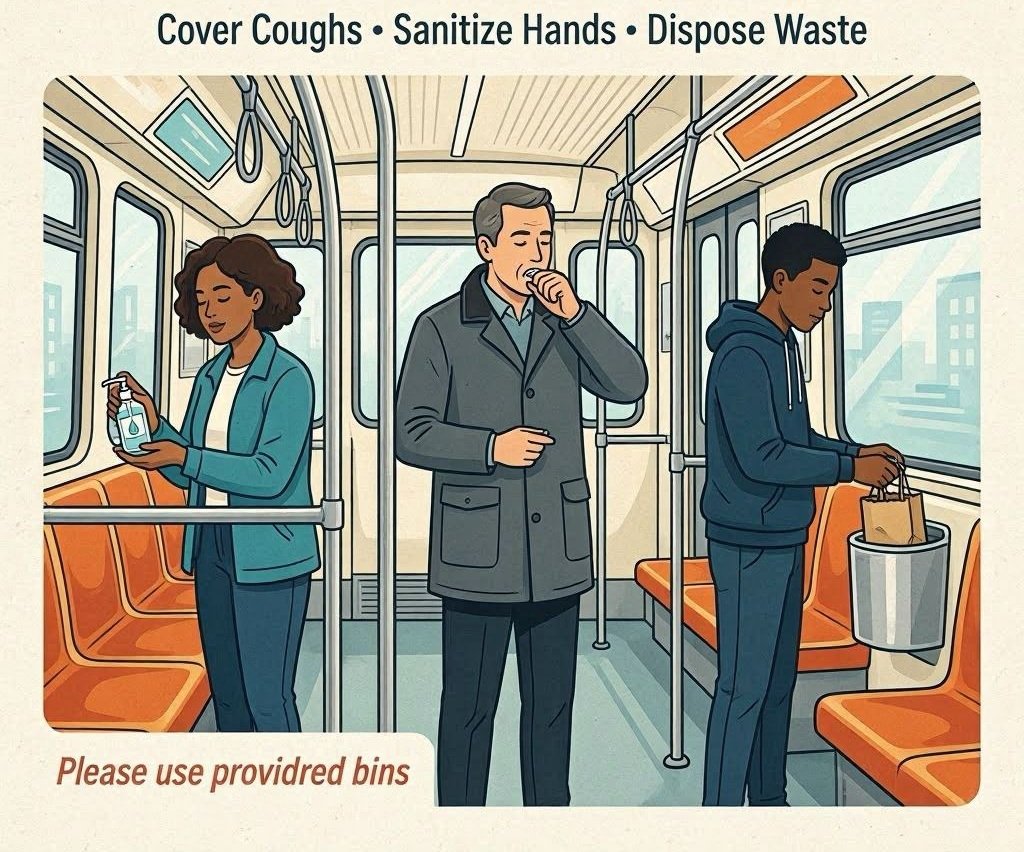
Transport operators and public authorities also have a key role to play in supporting hygiene, through clean vehicles and stations. Cleaning schedules, easy access to trash bins and general reminders about cleanliness encourage safer travels for passengers. In addition, more cleaning and awareness raising can help lower the health risks to the public during outbreaks.
The use of the public transport system requires members of the community to cooperate with one another and share responsibility for the safety of shared areas, so respectful hygiene behavior is good for all. Individual passengers’ acts of everyday courtesy make a lot of difference in cleaner and healthier transportation.
Conclusion
Basic hygiene hygiene measures can significantly reduce the transmission of germs in public areas and contribute to healthier communities. Practicing proper hygiene like handwashing, covering coughs, disposal of waste and cleaning the environment, can help minimize the risk of exposure to harmful bacteria and viruses in schools, workplaces, markets and public transportation. Avoiding these behaviors enhances the health and safety of the individual and the community by lowering the risk of illness spread and the quality of the community environment.
Public hygiene awareness fosters an awareness of the people on how their day-to-day activities affect the health and safety of others. Adhering to a consistent hygiene behavior can help to make an environment cleaner, improve people’s trust and facilitate healthier relationships in the face of the crowd. Following regular safe practice of good hygiene will help in the creation of safer schools, healthier workplaces, cleaner transportation systems and better overall community wellbeing.