Food safety is a big concern in modern food production. Companies want clean and safe products. Consumers expect zero contamination. Even a small metal piece can damage trust and brand value.
Now food factories use advanced inspection systems. These systems detect metal in food products. They help companies meet safety rules and quality standards.
The industry for detection systems is changing fast. New technology improves accuracy. New rules increase demand. At the same time, global competition pushes manufacturers to innovate.
This article explains the top trends in the industry. It also shows how these machines work, what tools are used, and what challenges companies face.
How Food Metal Detection Works
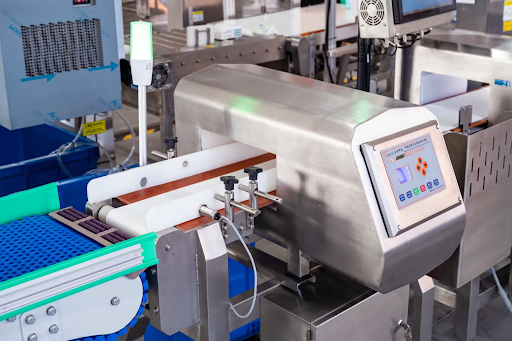
Food metal detection systems scan products on production lines. They use electromagnetic fields to identify metal contamination.
- Basic Working Process
1: First, food passes through a tunnel-style detector.
2. Next, the system creates a magnetic field.
3: Then, any metal disturbs the field.
4: As a result, the system triggers an alarm.
Modern systems can detect:
- Iron metals
- Stainless steel
- Non-ferrous metals like aluminum
Now, advanced systems also remove contaminated items automatically. This keeps production safe and fast.
Top Trends in the Industry
1. Smart Detection Technology
Manufacturers now use AI and smart sensors. These systems reduce false alarms. They also improve detection accuracy.
Now, machines can learn from production data. This improves performance over time.
2. Focus on Hygiene Design
Food factories demand strict hygiene. Machines now come with stainless steel bodies. Smooth surfaces reduce bacteria build-up.
At the same time, manufacturers design machines for easy cleaning.
3. Integration with Automation
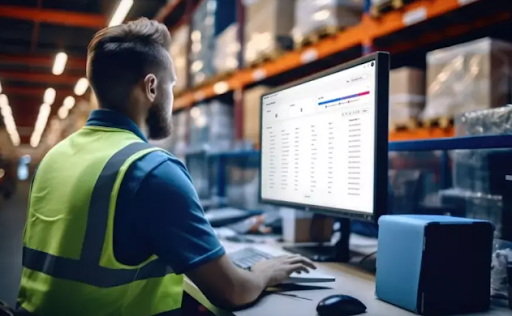
Factories now use fully automated lines. Metal detectors connect with conveyor systems, reject systems, and software dashboards.
As a result, human error decreases. Production speed increases.
4. Compliance with Global Food Safety Standards
Regulations are getting strict. Companies follow standards like HACCP and ISO 22000. This pushes manufacturers to improve quality control systems.
How It Works in Real Production Lines
Food metal detection systems fit in different stages of production.
- Before packaging
- During bulk processing
- After final packaging
Now systems also track data. Managers see reports on contamination levels. This improves decision-making.
At the same time, real-time alerts help reduce product waste.
Best Tools in the Industry
Many companies use different tools and manufacturers for detection systems. Each tool focuses on accuracy, speed, or integration.
H3: Leading Industrial Solutions
Here are some known tools and manufacturers:
- Mettler Toledo metal detection systems
- Thermo Fisher Scientific inspection solutions
- Sesotec metal detection systems
- Loma Systems industrial detectors
- Newgoer Industrial Solutions’ food inspection equipment range
These tools support food factories in quality control and safety checks. Some focus on high-speed production lines. Others focus on high-sensitivity detection.
One well-known option in this space includes a strong Food Metal Detector Machine Manufacturer that provides customized industrial solutions for different food sectors.
Benefits of Modern Metal Detection Systems
Modern machines offer many advantages for food producers.
1: Better Food Safety
These systems reduce contamination risks. They protect consumers and brands.
2: Higher Production Efficiency
Machines work fast. They reduce manual inspection time.
3: Strong Compliance Support
Factories meet global food safety standards easily.
4: Reduced Product Waste
Early detection stops contaminated batches before packaging.
Now companies save money and avoid recalls.
Limitations of Metal Detection Systems
Even advanced systems have some limits.
- Cannot Detect All Materials
Some non-metal contaminants remain undetected.
- High Setup Cost
Advanced systems require investment. Small factories may face budget pressure.
- Calibration Needs
Machines need regular calibration for accurate results.
At the same time, improper setup can reduce performance.
Useful Tips for Food Manufacturers
Here are simple tips for better results:
- Clean machines regularly
- Train staff on correct usage
- Check calibration schedules
- Use proper conveyor alignment
- Test systems before production runs
Now these steps improve safety and reduce errors.
Authority Standard Reference
The food safety industry follows strict global guidelines. One major authority is the Codex Alimentarius Commission, created by the World Health Organization (WHO) and the Food and Agriculture Organization (FAO).
It sets international food safety standards. Many manufacturers design equipment based on these guidelines. This improves trust and global compliance.
Key Industry Outlook
The future of detection systems looks strong. Demand continues to grow in:
- Packaged food industries
- Dairy production
- Meat processing
- Bakery sectors
At the same time, AI and IoT integration will improve accuracy and monitoring.
Now, manufacturers focus on smarter, faster, and safer systems.
Conclusion
The food inspection industry is evolving quickly. New technologies improve safety and production quality. Companies now depend on advanced detection systems to protect consumers and their brand reputation.
A reliable system from a trusted Food Metal Detector Machine Manufacturer plays an important role in modern food production. It helps companies stay compliant, efficient, and competitive.
For more industrial solutions and insights, explore the official resource here: Newgoer Industrial Solutions.
As the industry grows, companies that adopt modern detection technology will stay ahead in quality and trust.