When most people picture land maintenance, they imagine a gardener trimming a hedge or a council worker mowing a grass verge. The reality is quite different. A growing industry of professional vegetation management companies is quietly keeping Britain’s infrastructure safe, its roadsides clear, and its open spaces functional.
What does vegetation management actually mean?
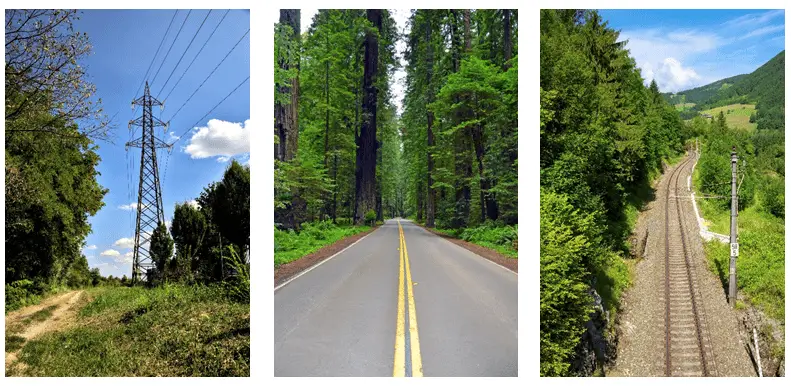
Vegetation management is the planned control of plant growth across large areas of land. It goes well beyond standard gardening. The term covers everything from cutting back overgrown scrub along railway lines and motorways, to treating invasive plant species on industrial sites, to maintaining clear sight lines around power cables and pipelines.
Left unmanaged, vegetation can block drainage channels, damage building foundations, reduce visibility on roads, and create fire risks during dry summers. In commercial and public settings, the consequences of neglect can be significant.
Who uses these services?
The client base is broad. Local councils rely on vegetation management to keep public green spaces, road verges, and drainage ditches in good order. Utility companies use it to protect cables, pipes, and substations from encroaching growth. Schools, hospitals, and housing associations need ongoing grounds maintenance to meet health and safety requirements.
Farms and rural estates also make up a large portion of the market, particularly for services like hedge laying, ditch clearance, and paddock management. Many of these jobs require specialist equipment and trained operators rather than a standard grounds maintenance crew.
The problem of invasive species
One area where professional expertise matters most is the management of invasive plants. Japanese knotweed is perhaps the best-known example. It can push through tarmac, damage building foundations, and spread rapidly if cut without proper care. Under the Wildlife and Countryside Act 1981, allowing it to spread onto neighbouring land can lead to legal action.
Bramble, giant hogweed, and Himalayan balsam present similar challenges. Removing these plants safely and preventing regrowth requires specialist knowledge, the right treatments, and in some cases a disposal plan for contaminated material. Professional vegetation management companies are experienced in identifying and treating invasive species correctly, as well as documenting the work to demonstrate compliance with environmental legislation.
Equipment and cost
One reason commercial clients prefer to outsource vegetation management is the cost of specialist equipment. Flail mowers, reach mowers for steep banks, tractor-mounted hedge cutters, and tracked vehicles for soft ground are all expensive to buy and maintain. For a school or a business park, owning this machinery makes little financial sense.
Specialist contractors bring equipment to site as part of their service, along with the relevant professional qualifications and public liability insurance. This gives clients confidence that work is carried out safely and to the required standard.
A growing focus on environmental responsibility
Vegetation management is not solely about cutting things back. There is growing interest in managing land in ways that support biodiversity. Many companies now work with clients to develop maintenance schedules that protect wildflower verges, create wildlife corridors, and reduce herbicide use where possible.
This reflects wider changes in how businesses, councils, and landowners think about their outdoor spaces. Many clients now want land that is tidy, safe, and productive, but also ecologically sound. Professional vegetation management companies are adapting to meet this demand, offering responsible green waste disposal and planting advice that reduces future maintenance while supporting local wildlife.
Vegetation management may not be the most visible part of running a building or a piece of land, but it is one of the most consequential. Getting it right keeps spaces safe, legally compliant, and genuinely usable for the people who rely on them.