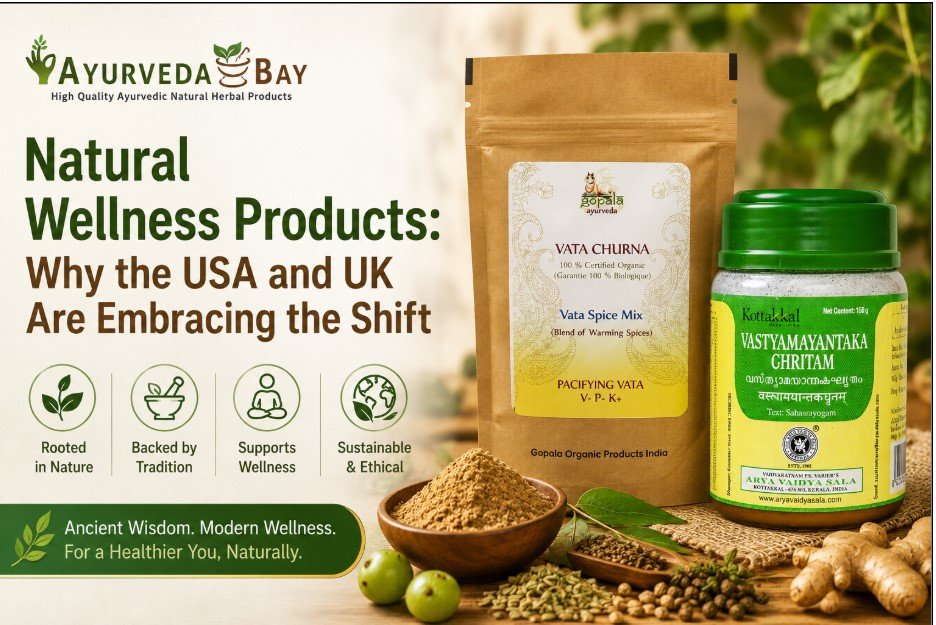
Introduction
Pick up a conversation about health in almost any city across the USA or UK right now and you will notice something different. People are not just talking about eating better or exercising more. They are talking about ingredients, supply chains, and whether the products they have trusted for years are actually as good as the label suggests.
That kind of scrutiny used to be reserved for a small group of dedicated health enthusiasts. Today it is happening in supermarket aisles, on social media feeds, and around kitchen tables. Ordinary consumers are asking harder questions, and the natural wellness products industry is answering them.
The Global Wellness Institute puts the global wellness economy at over $5.6 trillion, with the natural health segment growing faster than most other areas within it. Those numbers reflect a real and human story about people wanting more from their health choices, not just in terms of results, but in terms of honesty, quality, and values.
What Is Driving the Shift Toward Natural Wellness
Consumer Values Have Fundamentally Changed
There is a noticeable generational shift happening in how people in the USA and UK think about what they buy for their health. For previous generations, price and convenience largely drove those decisions. For a growing number of shoppers today, neither of those things is enough on their own.
Transparency matters now. So does knowing where ingredients come from, how they are sourced, and whether a brand actually stands behind what it puts on its label.
A 2023 NielsenIQ report found that nearly 60 percent of global consumers place health and wellness at the top of their purchasing priorities. Among millennials and Gen Z, the figure is higher still. These consumers are not a niche. They are the mainstream, and they are pulling the market firmly toward natural, plant-based, and responsibly made products.
Natural wellness products have become part of everyday life for a wide and growing audience, not a specialist interest for a dedicated few.
A More Integrative Approach to Health
It would be a mistake to read this shift as a rejection of conventional healthcare. That is not what is happening. What is changing is the expectation that prescription solutions and synthetic supplements should be the automatic first response to every health concern.
Many people are looking for options that complement their existing care rather than replace it. They want things that support their day-to-day wellbeing without a long list of side effects or ingredients they cannot identify. Nature-based wellness practices, especially those with genuine historical roots and traditional credibility, are fitting naturally into that space.
Why Ayurveda Is Gaining Ground in Western Markets
An Ancient System With Enduring Relevance
Ayurveda has been around for thousands of years. It began in India and was built on a straightforward but sophisticated idea: that health depends on balance, that prevention matters as much as treatment, and that the natural world offers meaningful support for the body’s everyday needs.
For a long time in Western markets, Ayurveda was known mainly within smaller alternative health communities. Over the past decade, that has changed considerably. Better access to information, growing consumer interest in holistic approaches, and an expanding body of research into specific Ayurvedic herbs have all helped bring it into far wider conversations across the USA and UK.
People who might have scrolled past anything labelled Ayurvedic a few years ago are now actively reading about it, trying it, and talking about it. That shift reflects a broader openness to traditional health systems that have real depth behind them.
Digestive Wellness Remains a Key Concern
If you ask people what first led them toward natural health products, digestive issues come up more than almost anything else. Bloating, irregular digestion, persistent post-meal heaviness, these are experiences that a very large number of people in both countries deal with regularly, and many feel that standard remedies only go so far.
This is where Ayurvedic digestive support has found a genuinely receptive audience. Traditional churan for digestion, made with herbs including triphala, ajwain, and rock salt, takes a food-based and herb-led approach to everyday digestive comfort. It is rooted in centuries of traditional use and is now being discovered by Western consumers who want something gentler and more considered than what the pharmacy shelf typically offers.
As with any herbal product, people with existing health conditions should speak with a qualified healthcare professional before making it part of their routine.
Rethinking Everyday Nutrition
The conversation around dietary fat has changed dramatically over the past ten to fifteen years. A generation raised on low-fat messaging has largely moved on, replaced by a more honest and evidence-informed discussion about the kinds of fats that actually serve the body well.
Ghee has been a quiet beneficiary of that shift. It has been central to Ayurvedic nutrition and cooking for centuries, and while Western markets were slow to warm to it, that scepticism has softened considerably. Herbal ghee, which is prepared with specific Ayurvedic herbs to deepen its functional and nutritional character, has found particular appeal among consumers following whole-food approaches to eating, as well as those who simply want to replace processed cooking oils with something that has a cleaner and more traditional background.
The Factors Sustaining Market Growth
Ingredient Transparency and Honest Labeling
Consumers in the USA and UK have become genuinely skilled at reading between the lines of a product label. They know what a proprietary blend means. They notice when a brand buries its ingredient list in small print. Short, recognisable ingredient lists and honest sourcing information are now the baseline, not a selling point.
Brands in the natural wellness space that lead with this kind of transparency are building the sort of customer trust that is very difficult to replicate through marketing alone.
Sustainability and Ethical Responsibility
The connection between personal health and environmental responsibility is stronger than it has ever been among wellness consumers. People want to know that the herbs in their supplements were sourced responsibly, that the people involved in production were treated fairly, and that the packaging is not adding unnecessarily to the waste problem.
Brands that engage with these questions genuinely, rather than as a marketing exercise, are the ones building real credibility and long-term audience loyalty in both markets.
The Role of Digital Communities
One of the most significant changes in how natural wellness products reach consumers has nothing to do with traditional retail or advertising. It is the growth of informed, engaged online communities where people share real experiences, ask genuine questions, and hold brands accountable.
Wellness podcasts, independent content creators, and tightly knit social communities have raised the standard of what consumers know and expect. Trust in this space is earned through honest participation, not through spend.
Practical Tips for Exploring Natural Wellness Products
- Start with your digestion. If bloating or post-meal discomfort is something you deal with regularly, a traditionally prepared option like churan for digestion is a gentle, low-barrier place to begin.
- Look at what you cook with. Swapping heavily refined oils for something like herbal ghee is a small change that can make a genuine difference to the quality of your everyday nutrition.
- Read labels with intention. Clear ingredient lists, honest sourcing, and no unverifiable claims are the marks of a brand worth trusting.
- Move gradually. Lasting wellness habits are built slowly. Consistent small changes over time tend to outperform dramatic short-term efforts every time.
- Talk to a professional first. If you have existing health conditions or take prescribed medication, get qualified medical advice before introducing new herbal supplements into your routine.
Key Takeaways
- The demand for natural wellness products in the USA and UK is being driven by a real and sustained shift in what consumers value: transparency, sustainability, and whole-body health.
- Ayurveda is earning genuine mainstream interest as a traditional health system with deep historical roots and growing relevance for modern Western audiences.
- Products like churan for digestion and herbal ghee offer practical and traditionally grounded entry points into everyday Ayurvedic wellness.
- Honest labeling, ethical sourcing, and active digital communities are the three forces most visibly shaping how people find and choose natural health products right now.
Conclusion
The interest in natural wellness products across the USA and UK is not a trend waiting to peak. It is a reflection of how people’s relationship with their health has genuinely evolved, toward greater awareness, higher expectations, and a stronger sense of personal responsibility.
Consumers want brands that are honest with them, products that have real substance behind them, and health choices that sit comfortably alongside their broader values. Ayurveda, with its long and thoughtful tradition of working with natural ingredients, speaks directly to that.
For anyone curious about exploring this space, the starting point is simpler than it might seem. Begin with what you know, ask good questions, take your time, and where it matters, get proper professional guidance.