With daily coffee drinking in the U.S. at a two-decade high, and the FDA officially calling black coffee a “healthy” beverage, the conversation has changed.
It’s no longer about if we should drink coffee, but which coffee we should be drinking. For many, the answer is found in the growing market for transparently sourced beans.
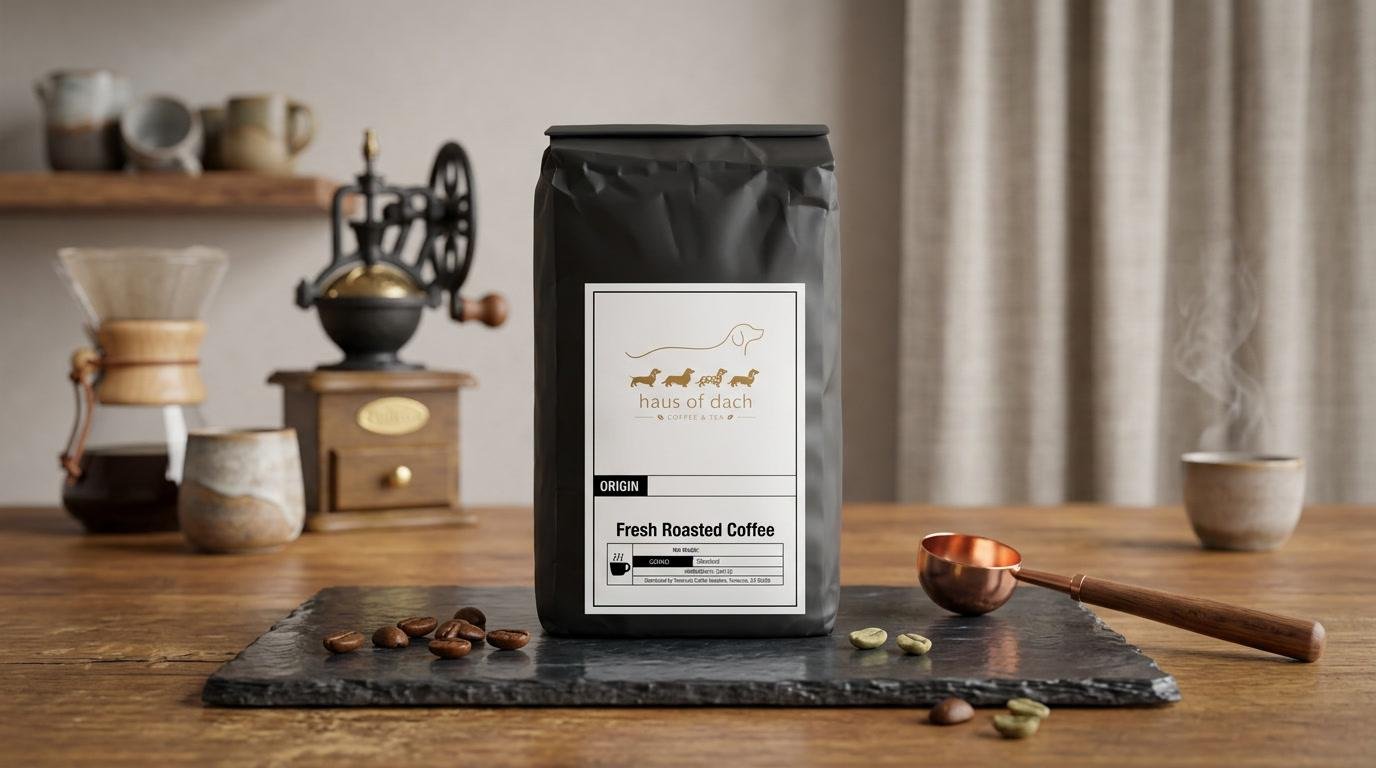
A small-batch roaster like Haus of Dach Coffee and Tea Co. in the Pacific Northwest is a perfect example of this shift, focusing on single-origin offerings where the story and health benefits are as clear as the flavor.
What are the main antioxidant benefits of drinking coffee?
Most people see coffee as just a caffeine delivery system, but its real health benefits come from somewhere else entirely.
Coffee is actually one of the biggest sources of antioxidants in the average Western diet, providing more than many fruits and vegetables.
The main compounds doing the work are a class of polyphenols in coffee called chlorogenic acids. These powerful antioxidants help shield the body’s cells from damage caused by free radicals, the unstable molecules linked to aging and chronic disease. The high level of antioxidants in coffee is a major reason for its wellness advantages, like reducing inflammation and supporting overall cell health.
Is single-origin coffee actually healthier than regular coffee blends?
It’s a smart question to ask.
The word “blend” on a mass-market coffee bag usually means beans from various unspecified countries have been combined to create a consistent flavor all year long. The goal is uniformity, not uniqueness.
The single origin coffee benefits, on the other hand, come from traceability.
When you buy a bag of Ethiopia Yirgacheffe or Colombia Supremo from a roaster like Haus of Dach Coffee and Tea Co., you know the beans came from a specific geographical area. This transparency often goes hand-in-hand with higher-quality farming and processing methods that preserve the bean’s natural character.
So, is single origin coffee healthier?
While there’s no guarantee, a single-source bean that has been meticulously cultivated is far more likely to hold onto its beneficial compounds than beans treated as a commodity for a large-scale blend.
How does the roast level of coffee affect its health benefits?
The roaster’s touch is crucial, shaping both the taste and the chemical makeup of the coffee. There’s an ongoing debate about which roast is “healthiest,” but the answer isn’t so simple.
Lighter roasts generally preserve more chlorogenic acid, coffee’s star antioxidant. But the roasting process also creates other helpful antioxidant compounds, like melanoidins, which show up more in darker roasts and contribute to the health benefits of coffee.
For people with acid sensitivity, darker roasts can also be a bit gentler on the stomach.
A quality roaster of specialty coffee, like Haus of Dach Coffee and Tea Co., will usually offer a range of roast profiles for their single-origin beans. This lets you choose based on your own taste and wellness goals, whether you prefer the bright notes of a light roast or the rich body of a dark one.
Single-Origin vs. Mass-Market Blends: A Clear Comparison
Standing in the coffee aisle, the distinction between a generic blend and a single-origin bag can seem a little fuzzy. Let’s break down what that difference really means for you.
• Traceability: Mass-market blends pull beans from multiple, undisclosed locations to get a generic, consistent flavor. A traceable coffee, like the selections from Haus of Dach, names the specific country and often the region, like Guatemala Antigua or Sumatra Mandheling, giving you a direct connection to the source.
• Flavor Profile: Blends are engineered to taste the same every time, which often means masking the unique notes of any one bean. Single-origin coffee is celebrated for its distinct “terroir,” the unique flavor profile created by its specific climate, soil, and altitude.
• Sourcing Ethics: The supply chains for huge blends can be murky, making it hard to know if farmers were paid fairly or if environmental practices were followed. Roasters that focus on single-origin beans, especially those labeled “ethically sourced,” tend to have a much clearer view of the farms they partner with.
Beyond Antioxidants: Coffee’s Impact on Brain and Liver Health
While antioxidants get most of the spotlight, the benefits of black coffee don’t stop there. Study after study has linked regular, moderate coffee consumption to better cognitive function.
The connection between coffee and brain function shows up as improved alertness, concentration, and even a potentially lower risk of neurodegenerative diseases later in life. On top of that, strong research shows a significant link between drinking coffee and having a healthier liver. Multiple analyses have found that coffee drinkers tend to have a lower risk of developing various liver conditions.
A recent study from BMJ Mental Health even suggested that drinking 3 to 4 cups a day could help slow down certain aspects of premature aging. All this evidence points to the same conclusion: a daily coffee ritual is more than a morning boost, it’s a real contributor to long-term wellness.
Why is single-origin coffee more expensive? A look at the real costs.
The price on a 12oz bag of single-origin coffee, like those from Haus of Dach Coffee and Tea Co. that run from $18.00 to $22.00, can certainly give you pause. But that price reflects something more.
You aren’t just paying for a name; you’re investing in a more careful and equitable supply chain. Single-origin beans often come from smaller farms or single estate coffee lots, where harvesting and processing are more labor-intensive to bring out unique flavors. The higher price supports these better practices and usually means fairer pay for the farmers who grew the beans.
In the end, you’re paying for superior quality, the freshness of small-batch roasting, and a vibrant flavor that mass-production just can’t match.
Risks & Considerations: When to Be Cautious
Of course, the story isn’t all one-sided. Even with well-documented health benefits of coffee, it isn’t the right choice for everyone.
How you react to caffeine is the biggest factor. For some people, just one cup can cause jitters or disrupt sleep, which cancels out many of the positive effects. And how coffee affects the body depends a lot on how you drink it. Piling on sugar, cream, and flavored syrups can quickly turn a low-calorie, antioxidant-rich drink into a liquid dessert.
The purest benefits come from drinking it black. The best advice is to drink in moderation and, most importantly, listen to what your own body is telling you.
The Future of Coffee: Health, Transparency, and What to Expect
The coffee industry is changing fast, led by consumers who are more educated and health-conscious than ever. The single-origin market is a clear sign of this, with projections showing it will grow from around $12.4 billion in 2024 to over $24 billion by 2033, based on industry analysis.
Experts think the next big thing will be an even greater focus on “functional beverages,” with coffee positioned as a tool for wellness. We can also expect more detailed research into how specific polyphenols from different coffee origins impact our health.
Roasters like Haus of Dach Coffee and Tea Co. are already part of this future, building their brands on transparency, quality, and celebrating the unique story of each bean. This push for traceability and quality isn’t just a passing trend, it’s becoming the new standard for specialty coffee.