Every traveler knows the frustration: you’re standing before a breathtaking sunset, a stunning cityscape, or a once-in-a-lifetime moment, and the photo comes out blurry, tilted, or shaky. With smartphones now rivaling dedicated cameras in image quality, mobile photography has become the default way millions of people document their adventures. Yet even the most advanced phone camera can’t compensate for unsteady hands, awkward selfie angles, or the impossibility of being in your own group photo. This is where a phone tripod becomes an indispensable travel companion — but with countless options flooding the market, choosing the right one can feel overwhelming for amateur photographers just getting started.
This guide cuts through the noise. We’ll explore why a phone tripod deserves a spot in your travel bag, break down the essential features that separate great options from disappointing ones, walk you through a clear step-by-step selection process, and share pro tips to help you capture sharper, more creative shots on the road. Whether you’re a casual vacation photographer or an aspiring content creator, you’ll finish this article knowing exactly what to look for.
The Rise of Mobile Photography and Why You Need a Phone Tripod
Smartphones have fundamentally transformed travel photography. Recent studies show that over 90% of travelers rely exclusively on their phones to capture memories, and platforms like Instagram and TikTok have turned every trip into a potential visual story. Modern phone cameras deliver remarkable results in ideal conditions — but travel rarely offers ideal conditions. Low-light restaurants, windswept cliffs, bustling night markets, and dimly lit landmarks all conspire to produce the blurry, grainy images that fill so many camera rolls.
A phone tripod directly addresses these frustrations. By eliminating hand shake, it unlocks capabilities your phone already has but you’ve never fully used. Night scenes become crisp instead of noisy because your camera can use longer exposures without motion blur. Group photos no longer require handing your phone to a stranger. Time-lapse videos of sunrises or busy streetscapes become effortless. For anyone exploring vlogging, a tripod doubles as essential vlogging equipment, providing the stable, professional-looking footage that handheld shooting simply can’t match. Mobile photography is only as good as the stability behind it, and even a simple tripod can be the difference between a forgettable snapshot and a photo worth framing.
Essential Features of Travel-Friendly Phone Tripods
Not all phone tripods are created equal, and the difference between a great travel tripod and a regrettable impulse buy comes down to a handful of critical features. Before you start browsing options, understanding these core attributes will sharpen your eye and prevent common purchasing mistakes. The best travel-friendly phone tripod strikes a balance between being light enough to carry everywhere and sturdy enough to keep your phone rock-steady in challenging conditions. Think of these features as your evaluation framework — each one matters, but the weight you give each depends on how and where you shoot.
Portability: The Case for Foldable and Compact Designs
When every ounce in your bag counts, portability becomes non-negotiable. Foldable tripods that collapse to under 12 inches can tuck into a daypack pocket or even a jacket, meaning you’ll actually bring them along instead of leaving them at the hotel. Look for designs that fold flat or feature retractable legs, and prioritize models under one pound. The most travel-ready options sacrifice a bit of maximum height for a dramatically smaller packed size — a tradeoff most travelers gladly accept.
Durability and Build Quality for the Road
Travel is rough on gear. Sand, rain, cobblestones, and the chaos of a packed suitcase all take their toll. Aluminum alloy tripods offer a solid balance of strength and affordability, while carbon fiber options shave weight further and resist corrosion, though at a higher cost. Pay attention to joint construction and leg hinges — these are the first failure points. Reinforced locking mechanisms and weather-resistant finishes will keep your tripod functional trip after trip.
Compatibility and Mounting Versatility
Your tripod’s phone clamp should securely grip devices of varying widths, including phones with bulky protective cases. Spring-loaded clamps with rubberized grips tend to be the most reliable. Bonus versatility comes from models featuring a standard quarter-inch screw mount, which lets you attach action cameras, compact cameras, or ring lights as your mobile photography kit expands. Brands like Ulanzi have built their reputation around this kind of modular versatility, offering accessories and mounts that work seamlessly across different devices and shooting setups.
Additional Features: Height, Head Type, and Stability
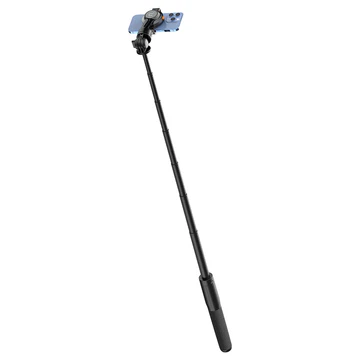
Consider maximum extended height — anything under 40 inches limits your shooting angles significantly. A ball head offers quick, fluid repositioning for spontaneous shots, while a pan-tilt head provides more precise control for video work. Finally, check the leg lock mechanism: twist locks are sleek and compact, while flip locks allow faster setup. Rubber or spiked feet improve grip on uneven terrain.
How to Choose the Perfect Phone Tripod: A Step-by-Step Guide for Amateur Photographers
Knowing which features matter is half the battle — the other half is applying that knowledge to find the phone tripod that fits your specific situation. Many amateur photographers make the mistake of grabbing whatever appears first in a search result or picking based on looks alone, only to end up with gear that doesn’t match how they actually shoot. The following step-by-step process gives you a structured, repeatable way to evaluate your options and land on a confident purchase.
Step 1: Assess Your Specific Travel Photography Needs
Before comparing any products, spend five minutes writing down how you’ll actually use a tripod. Are you primarily shooting landscape photos at scenic overlooks? Do you need a hands-free setup for solo self-portraits? Is vlogging your main goal, requiring smooth panning and quick repositioning? Your answers shape everything. A landscape shooter benefits most from a full-height tripod with a sturdy ball head, while a vlogger needs something lightweight and easy to grip as a handheld stabilizer. Identifying two or three primary use cases prevents you from overspending on features you’ll never touch.
Step 2: Set a Realistic Budget for Your Vlogging Equipment
Phone tripods span a wide range, and understanding what each tier delivers helps you allocate wisely. Entry-level options work fine for occasional vacation photos and basic selfie setups. Mid-range models introduce better build materials, smoother head adjustments, and broader compatibility — this is the sweet spot for most travelers who want reliable vlogging equipment without overspending. Premium tripods justify their cost through carbon fiber construction and professional-grade heads, but unless you’re creating content professionally, that investment may not pay off.
Step 3: Compare Models Based on Key Features
With your needs and budget defined, create a simple comparison framework. For each model you’re considering, evaluate it across the features covered earlier: packed size and weight, material and joint quality, clamp compatibility with your phone, maximum height, head type, and leg lock mechanism. Score each category on a scale of one to five, then tally the results. This approach removes emotional bias and makes it immediately clear which option delivers the best overall value for your travel photography style.
Step 4: Read Reviews and Make the Final Decision
Numbers on a spec sheet don’t tell the whole story. Seek out user reviews from travelers and mobile photography enthusiasts rather than generic product roundups — forums, YouTube hands-on videos, and photography community posts reveal real-world durability and usability insights that manufacturer descriptions gloss over. Pay special attention to complaints about wobbling at full extension or clamps loosening over time, since these issues only surface after weeks of use. If you have access to a local electronics or camera store, handle your top two choices in person to test the setup speed and overall feel before committing.
Pro Tips for Using Phone Tripods to Elevate Your Travel Photography
Owning the right phone tripod is only the starting point — knowing how to use it effectively is what truly transforms your travel photos and videos. Many travelers set up their tripod, snap a quick shot, and move on without realizing they’re leaving dramatic improvements on the table. The following techniques will help you squeeze maximum value from your gear and develop a sharper eye for mobile photography in the field.
Mastering Setup and Composition for Stable Shots
Always start by planting your tripod on the most level surface available, adjusting individual legs to compensate for uneven ground rather than relying on the head angle alone. Before you shoot, activate your phone’s grid overlay and apply the rule of thirds — placing your subject along those intersecting lines instantly creates more dynamic compositions. Take an extra moment to scan the edges of your frame for distracting elements like trash cans or stray tourists, then reposition slightly. These small adjustments take seconds but consistently produce images that look intentional rather than rushed.
Leveraging Timer and Remote Shutter Functions
Even on a tripod, tapping your phone’s screen to take a photo introduces subtle vibration that can soften details, especially in low light. Use your phone’s built-in countdown timer — a two-second delay is usually enough for the vibration to settle. Better yet, pair a small Bluetooth remote shutter with your setup. This lets you trigger shots from several feet away, which is invaluable for solo travel portraits where you need to walk into the frame and adjust your pose naturally before the shutter fires.
Creative Techniques: Long Exposure and Low-Light Photography
A stable phone tripod unlocks creative possibilities that handheld shooting simply cannot achieve. Most modern smartphones offer a long-exposure or “light trail” mode — mount your phone on the tripod near a busy road at dusk and capture streaking headlights curving through a city. For night sky photography, use a dedicated app that allows manual shutter speeds of fifteen seconds or longer, revealing stars invisible to quick snapshots. These techniques turn ordinary travel scenes into striking, share-worthy images that stand out in any feed.
Transform Your Travel Photography with the Right Tripod
A phone tripod is one of the simplest upgrades you can make to your travel photography kit, yet it delivers outsized results. Throughout this guide, we’ve seen how mobile photography has become the dominant way travelers capture memories — and how a stable platform unlocks your smartphone’s full potential, from crisp night shots to smooth vlogs and creative long exposures that handheld shooting can never achieve.
The essential features worth prioritizing are now clear: compact portability so you’ll actually carry it, durable construction that survives life on the road, a versatile clamp that fits your device, and the right combination of height, head type, and leg stability for your shooting style. By following the step-by-step selection process — defining your needs first, setting a realistic budget, comparing models against a structured framework, and validating your choice through real-world reviews — you can cut through marketing hype and land on a tripod that genuinely serves you.
Put these insights into action on your next trip. Experiment with timers, remote shutters, and long-exposure techniques to push beyond basic snapshots. The right phone tripod paired with a little creative intention will transform the way you document your travels, turning fleeting moments into images and videos you’ll be proud to share for years to come. Your mobile photography journey is just getting started.