While many people may not think about it much, breathing is one of the most vital functions of every human being’s life. With each inhale, the body is placed in the presence of oxygen, which is used by cells to generate energy, and carbon dioxide, a waste product that can be toxic if it builds up in the body. The respiratory system is a complex organ and tissue system that allows this continuous exchange of gases and helps maintain the internal environment of the body in a stable state. Air passes through special structures that filter, warm, and guide air toward the lungs where gas exchange occurs, from the time it is inhaled. The body would have a hard time producing energy, losing function of its organs and overall health would rapidly fall.
The respiratory system is connected to the cardiovascular system as the oxygen taken up into the lungs needs to be carried round the body by the blood supply to reach the tissues and organs. Meanwhile, CO2 created from metabolism is transported back to the lungs where it is expelled. In addition to its primary function of breathing, Cleveland Clinic states that the respiratory system also contributes to speech, smell, immune protection and pH balance. Familiarity with this system can assist individuals understand the significance of healthy breathing practices and the impacts of respiratory wellness on their overall body health, energy levels, and physical performance. Anatomy of the Respiratory System and its function also emphasizes the importance of maintaining lung health in order to enjoy a long life.
The main structures of the respiratory system
The respiratory system consists of several interrelated organs and passageways that transport air in and out of the body. The process starts at the nose and mouth, where air enters the body. The nose is especially important because it filters out dust, bacteria and other particles with the help of small hairs and the mucus membranes inside the nose. It also warms and humidifies the air that enters the lungs to help to prevent drying out and irritation of the respiratory tissue. The mouth can also act as an air intake, particularly if there is a constriction of the nasal passages, during strenuous activity or when the nose is not used for breathing, but is less effective in filtering and humidifying the air.
Once inhaled, air goes through the throat (pharynx) and voice box (larynx). The larynx has vocal cords that make sound when you talk and also act as a protector to the airways when swallowing. Air moves from the larynx to the windpipe (trachea). The windpipe (trachea) is a tube that stretches and moves, but is supported by cartilage rings that keep it open. The inner lining of the trachea is covered with tiny hair-like structures called cilia which trap and propel particles upward to be cleared from the respiratory tract. This protective function helps to minimize exposure of harmful substances to the lungs.
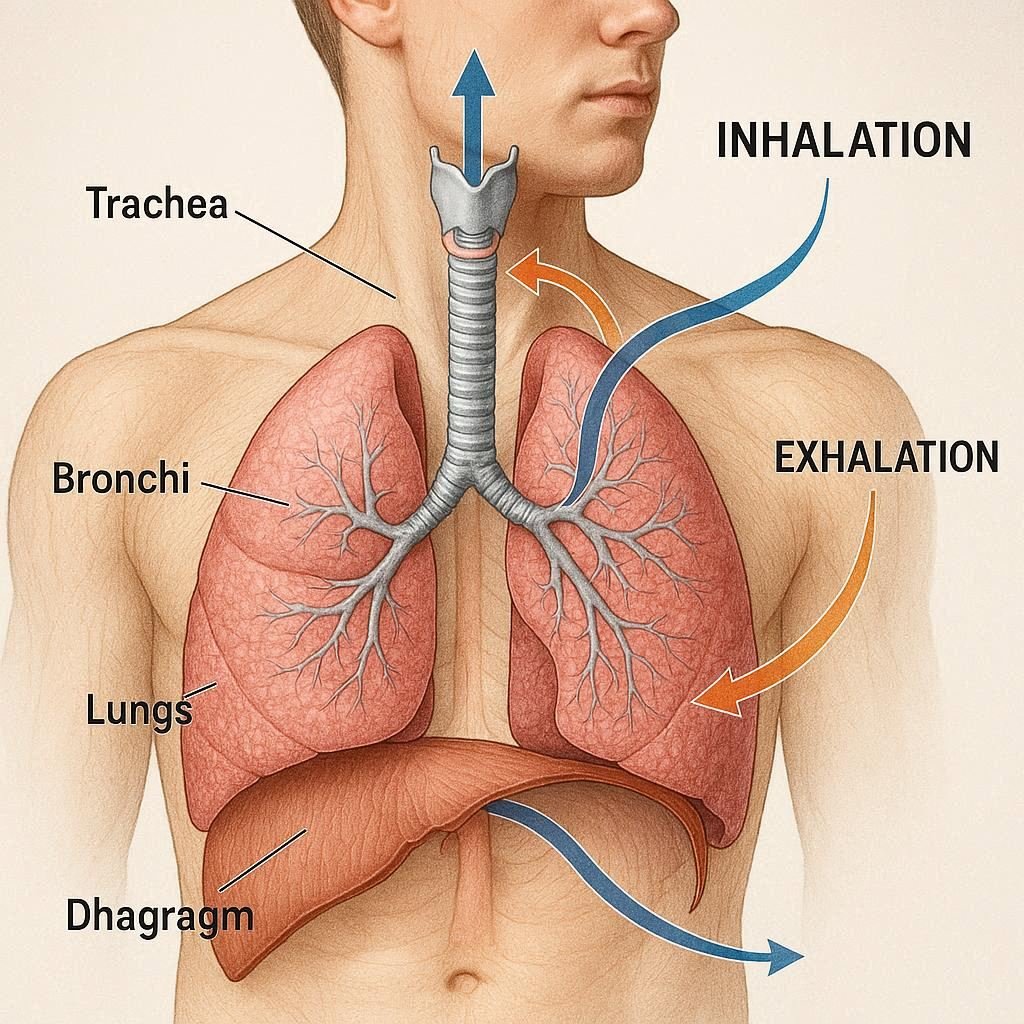
Trachea branches into two main bronchi, one to each lung. These bronchi give rise to smaller tubes known as bronchioles, which form the large network of tubes that distribute air to the lungs. Tiny air sacs (alveoli) at the end of the bronchioles where gas exchange takes place. The lungs are soft, spongy organs, protected by the rib cage and in the chest cavity. The lungs have millions of alveoli, which have a great surface area for exchanging oxygen and carbon dioxide. These structures work together to make a very effective system, which allows for maximum absorption of oxygen and removal of waste.
The entry of oxygen into the body
Inhalation or inspiration is the first step in the process of oxygen entering the body. On inhalation, the diaphragm (a dome-shaped muscle below the lungs) contracts and descends and the rib muscles expand the chest cavity. This enlargement decreases the pressure within the chest, which enables air to enter the lungs. Air passes through the nose or mouth down the trachea and into the bronchi and bronchioles and then into the alveoli. These are tiny air sacs which are surrounded by a network of very small blood vessels (capillaries) where gas exchange takes place between air and blood.
Oxygen diffuses through thin walls of alveoli into blood in the alveoli. Meanwhile, CO₂ is transported from the blood to the alveoli for exhalation. A protein in red blood cells called hemoglobin carries oxygen molecules around the body. The oxygen-rich blood is then pumped to the tissues and organs by the heart and cells use the oxygen to generate energy through cellular respiration. This process is important as oxygen is essential to almost every biological process, such as tissue repair, brain activity, metabolism and muscle contraction.
Healthy tissue and good blood flow are essential for efficient exchange of oxygen. Damage to the alveoli or blockage of airflow may cause a decrease in the amount of oxygen transported to the body, resulting in tiredness, breathlessness, and strain on the organs. Breathe faster during exercise and physical activity due to muscle demands for extra oxygen. The body’s respiratory system responds to these needs by adjusting the flow of air and the amount of oxygen breathed in and out. It is attempting to show the way breathing continually adjusts to the energy needs of the body and how that relates to overall physical activity and endurance.
Removal of CO2 from body:
Another key element of life’s survival is carbon dioxide removal, which is necessary for maintaining chemical balance within the body. Carbon dioxide is a natural by-product of the production of energy from nutrients and oxygen by cells. If this waste product builds up in the blood this can lead to the levels rising and disrupt normal organ functioning. The respiratory system ensures that this build up is counteracted by eliminating carbon dioxide by exhalation. After delivery of O2 to tissues, CO2 is picked up by the blood and returned to the lungs via veins and capillaries around the alveoli.
Exhalation, or expiration, is the act of relaxing the diaphragm, which causes it to rise, and the chest cavity to decrease in size. This presses the lung air volume up and pushes carbon dioxide out the bronchi, trachea and nose/mouth. It happens without conscious effort, and is regulated by the brainstem which senses the levels of oxygen and carbon dioxide in the blood. If carbon dioxide concentrations rise, the rate of breathing increases to get rid of the excess carbon dioxide in the body faster. This automatic regulation is important for keeping the blood’s pH level at a stable level, which helps the body function.
The relationship between oxygen intake and carbon dioxide removal is very important to the maintenance of homeostasis in the body. Anything that disrupts gas exchange – even a small, short event – can have an impact on physical performance and cognitive function. For instance, shallow breathing can decrease the amount of oxygen taken in and that carbon dioxide is eliminated, leading to fatigue and/or dizziness. Chronic lung diseases like asthma, chronic obstructive pulmonary disease (COPD) and pneumonia may disrupt this balance by narrowing air passages and/or damaging the lungs. Knowing the mechanisms of action of CO₂ removal emphasizes the significance of normal lung function and breathing patterns.
The lungs and alveoli: their role
Primary organs of the respiratory system are the lungs which are specially designed for the efficiency of gas exchange. Lungs have millions of alveoli, which have a huge surface area that enables oxygen and carbon dioxide to diffuse quickly between the air and the blood. Alveolar walls are very thin and have many capillaries which promote good diffusion. The lungs are also lined by a protective membrane known as the pleura; this will minimise friction as the lungs expand and contract during breathing and will keep the lungs expanded.
Alveoli are highly involved in respiration as they are the place where oxygen is absorbed and carbon dioxide is expelled from the blood. Uninjured alveoli will remain flexible and open, facilitating proper flow of air and exchange of gases. Alveolar walls can be impaired and the lung’s elasticity is decreased by smoking, pollution, infections, and chronic respiratory illnesses, increasing breathing difficulty. Diseases like emphysema cause the loss of alveolar structure, which reduces the lungs’ ability to function properly for gas exchange. This shows the importance of taking care of lung tissue to keep the respiratory system efficient and healthy.
The lungs are also involved in immune defense in that they can remove harmful particles and microorganisms before they are able to penetrate to deeper parts of the lungs. The airways are lined with mucous cells and cilia, which trap dust, bacteria and pollutants, and with immune cells in the lungs that destroy pathogens. This protective role helps to lower the chances of infection and help keep healthy respiratory systems. The lungs also help to maintain the pH of the blood by regulating the level of CO2. These several functions demonstrate the respiratory system’s importance in more than just breathing.
Why healthy breathing is vital to wellness?
Because oxygen is needed to keep all cells and organs of the body functioning, healthy breathing is important. If oxygen is not available, cells are not able to get enough energy to work properly. Oxygen deprivation is particularly harmful to the brain, which requires a continuous supply for concentration, memory and the control of the nervous system. When you exercise, breathing increases because muscles need oxygen to help them work and to be able to exercise for longer. The efficiency of breathing, thus, has direct links with energy levels, mental clarity and physical performance.
The breathing also contributes to the regulation of the emotional and nervous system. Deep, slow breathing can stimulate the parasympathetic nervous system and can lead to relaxation and decrease in stress. Rapid or shallow breathing can happen during anxiety and can lead to tension or panic responses, on the other hand. Developing respiratory efficiency techniques like deep breathing exercises, meditation and mindfulness are also practiced to enhance emotional well-being. The link between breathing and mental health extends to the overall influence of respiratory function on a person’s well-being.
Good breathing habits are particularly important in today’s world where air pollution, smoking and inactivity can have a negative impact on lung function. Smoking compromises airway tissues, reduces the number of alveoli and increases the risk of chronic respiratory disease and lung cancer. Air pollution can aggravate breathing problems like asthma and bronchitis. Failure to do so may also decrease lung efficiency due to the fact that exercise helps tone respiratory muscles and increases efficiency of oxygen use. Therefore, lifestyle factors that facilitate the process of breathing clean air, being physically fit and having good lung function are important for protecting the health of the respiratory system.
Common Respiratory Disorders and Prevention
Respiratory disorders may affect the flow of air, gas exchange and the effectiveness of breathing. Asthma is a frequent disease involving inflammation and narrowing of the airways that may lead to wheezing, coughing and breathlessness. Asthma symptoms can be caused by allergies, pollution, exercise or infections. Chronic obstructive pulmonary disease (COPD), which is often linked to smoking, causes damage to the airways and alveoli over time, which impairs breathing and decreases airflow over time.
Respiratory infections (like pneumonia and bronchitis) may also affect lung function by leading to inflammation and fluid accumulation. Pneumonia and bronchitis can both cause inflammation in the lungs or bronchi, and cause them to overproduce mucus or make it more difficult to get oxygen into the blood. Some of the different types of coronavirus infections and influenza can impact respiratory function and oxygen levels greatly. Other respiratory disorders include sleep apnea, which is a condition in which breathing ceases on a regular basis during sleep, resulting in a loss of oxygen and a strain on the cardiovasculare system.
Taking steps to avoid developing respiratory conditions can include healthy lifestyle practices and avoiding harmful exposures. Not smoking is one of the most critical protective measures as smoking is a major risk factor for lung disease and Respiratory failure. Frequent exercise promotes the building of respiratory muscles and increases the efficiency of the lungs; a balanced diet helps maintain healthy immune systems and tissues. Drinking fluids will keep mucus thin and flow easily from the airways. Other measures that can contribute to good respiratory health include avoiding pollutants and allergens, hand hygiene, and vaccinations. They are protective behaviors that help promote better breathing and decrease the risk for developing diseases in the future.
Conclusion
One of the most vital systems in the body is the Respiratory system since it is responsible for bringing oxygen into the body and eliminating carbon dioxide, which is required for energy production, organ functions and survival. The respiratory system carries out a highly coordinated process through the nose, trachea, bronchi, lungs and alveoli that maintain the body’s chemical balance and ensure that it receives an adequate supply of oxygen. Breathe is vital to the body’s health and wellbeing because every breath affects the circulation, metabolism, brain, muscles, and immune system.
The knowledge of how the respiratory system works makes people realize the importance of keeping the respiratory system functioning properly by adopting good lifestyle. Asthma, COPD, infections, and environmental pollution are some of the conditions that can impair breathing capacity and general health. Maintain healthy habits: Exercise regularly, avoid smoking, drink plenty of water, manage stress, and protect the air.Keep your respiratory system performing well and keep you healthy with the following healthy habits: Regular exercise, avoid smoking, drink plenty of water, stress management and protect the air. The individual helps to care for the respiratory system, which helps him/her to breathe well and to maintain energy, physical endurance, emotional balance and quality of life.