Electric mobility is reshaping how families get around, and moped-style ebikes have emerged as one of the most compelling options for riders of every generation. With their recognizable silhouette, upright riding position, and motor-assisted pedaling, these bikes strike a balance between practicality and accessibility that traditional bicycles simply can’t match. But as more households consider making the switch, one question consistently rises to the top: are they genuinely safe for everyone, from energetic teenagers to grandparents looking for a reliable way to stay active?
This article is written for families who want more than just a fun ride — they want confidence that every member, regardless of age or ability, can travel securely. Moped-style ebikes are increasingly being engineered with exactly that in mind, incorporating thoughtful design choices and smart technology that address real-world safety concerns. In the sections ahead, we’ll break down the foundational safety advantages of the moped-style platform, explore age-specific features that protect both young and older riders, examine the design elements that deliver all-around stability, and offer practical steps families can take to ride smarter and safer every day.
The Foundation of Safety in Moped-Style Ebikes
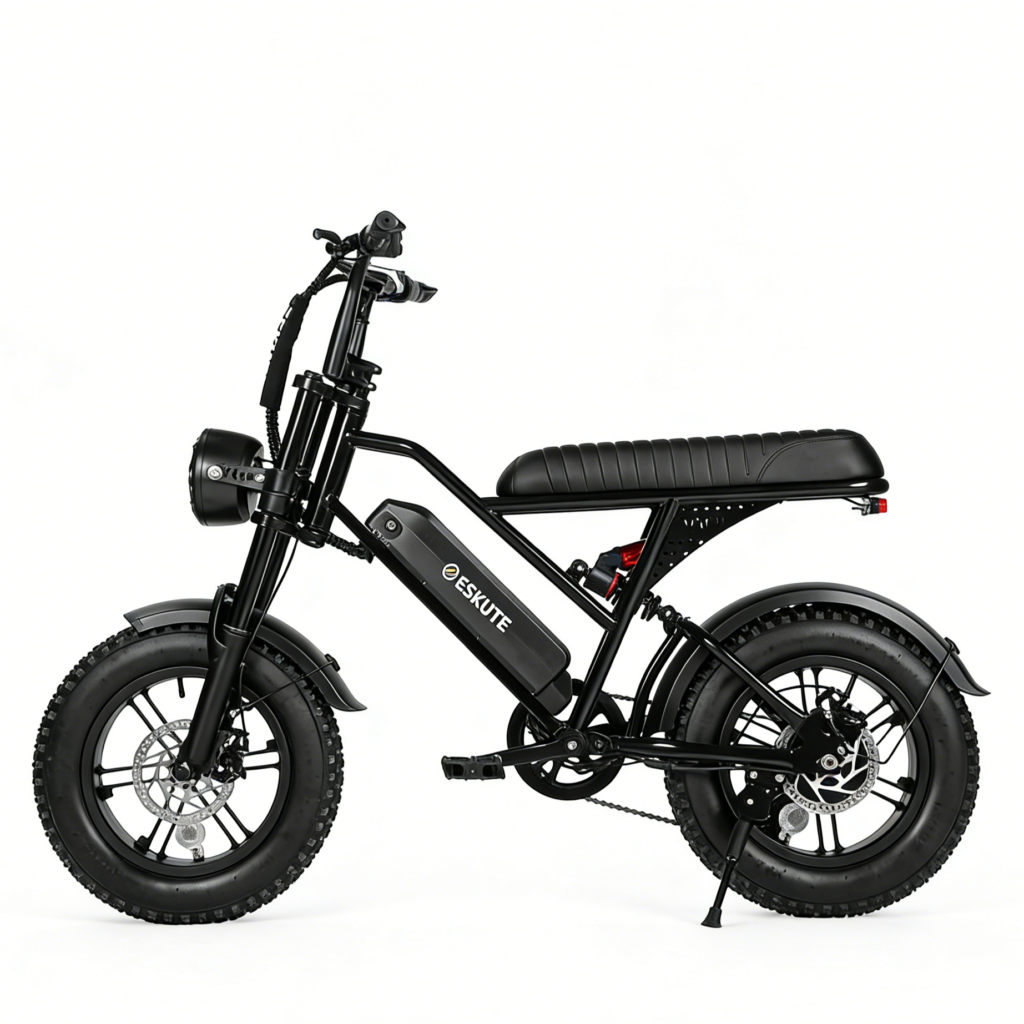
What separates a moped-style ebike from a conventional bicycle isn’t just its appearance — it’s the engineering philosophy behind it. These bikes are built around a low center of gravity, achieved through a heavier frame and a battery pack typically mounted near the bottom of the downtube. This positioning keeps weight close to the ground, dramatically reducing the likelihood of tipping during turns or sudden stops. Riders feel planted and in control rather than perched and precarious.
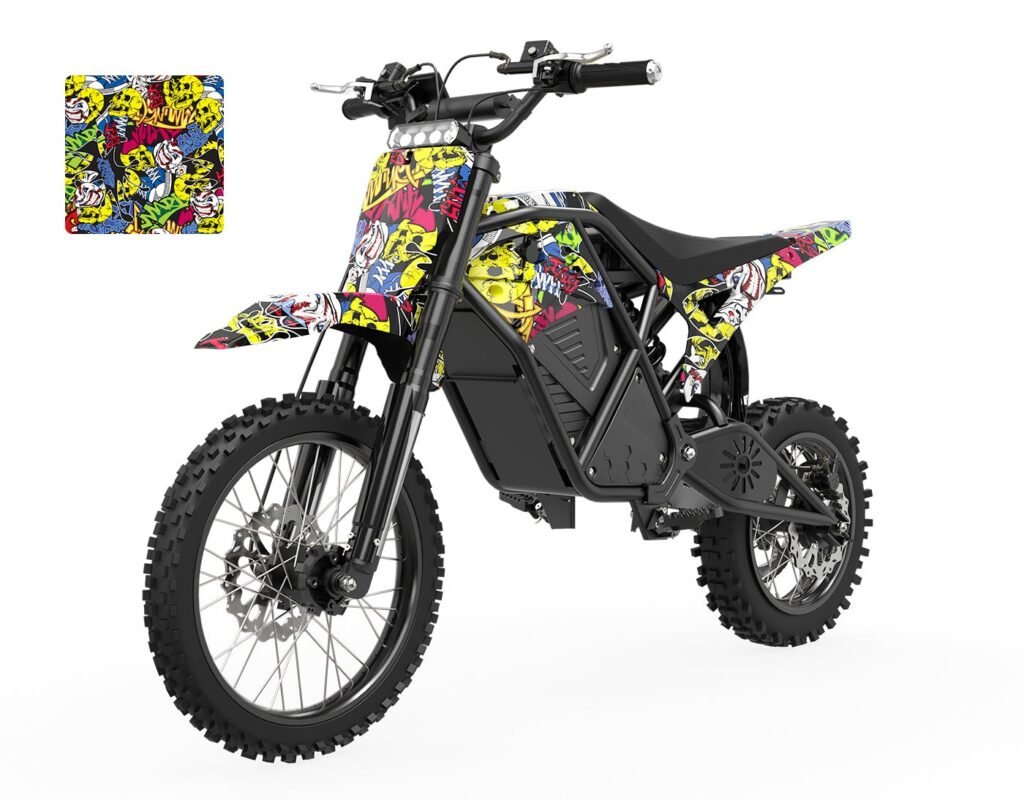
The frame itself plays an equally important role. Moped-style ebikes use reinforced steel or aluminum alloys that absorb road vibration and resist flex under load, giving riders a planted, predictable feel. Unlike traditional lightweight bicycle frames that can feel skittish at higher speeds, this added structural integrity translates directly into confidence — especially for riders who aren’t experienced cyclists. The handlebars are typically wider and positioned higher, promoting an upright posture that improves sightlines and reduces fatigue over longer rides.
Controls are another area where the moped-style platform excels. Throttle response, pedal assist levels, and braking are all designed to feel intuitive from the first ride. Traditional bikes demand constant physical effort and quick reflexes; moped-style ebikes smooth out those demands by letting the motor absorb the hardest work. This means less physical strain and more mental bandwidth to focus on road awareness. For families evaluating electric options, these foundational design choices aren’t just conveniences — they’re the baseline from which every age-specific safety feature is built.
Safety Features Tailored for Different Age Groups
For Young Riders: Essential Protections and Controls
Younger riders bring enthusiasm to every ride, but they also bring inexperience — and that combination demands purposeful safeguards. Speed limiters are among the most valuable tools available, allowing parents to cap the bike’s maximum output so teens can build road confidence without the risk of uncontrolled acceleration. Many moped-style ebikes also include parental lock functions accessible through a companion app or onboard display, letting adults set boundaries remotely without constant supervision. Integrated front and rear lighting improves visibility during early morning school commutes or evening rides, ensuring young riders are seen by drivers even in low-light conditions. Adjustable saddle height and handlebar reach are equally important — a properly fitted bike gives younger riders better control and reduces the awkward overreaching that often leads to wobbles or falls. Pairing these features with a properly fitted helmet and knee pads creates a layered safety approach that grows alongside the rider.
For Older Riders: Ensuring Stability and Comfort
For older adults or those managing mobility challenges, getting on and off the bike confidently is the first hurdle. Step-through frames eliminate the need to swing a leg over a high top tube, dramatically reducing the risk of falls during mounting and dismounting. Brands like ESKUTE have made step-through designs a central part of their moped-style lineup, recognizing that accessible entry points are fundamental to rider confidence at any age. Once seated, a wide, ergonomically contoured saddle distributes weight evenly and minimizes joint pressure over longer rides. Responsive hydraulic or semi-hydraulic disc brakes are particularly important here — they deliver consistent stopping power with minimal hand-squeeze force, which matters for riders with reduced grip strength. The pedal assist system also plays a protective role by preventing overexertion on inclines, keeping heart rate manageable and reducing the fatigue that contributes to loss of control. Together, these features don’t just accommodate older riders; they actively build the physical and psychological confidence that keeps them riding safely and independently.
Design and Stability: Core Elements for All-Age Use
When engineers talk about what makes a moped-style ebike genuinely stable, wheel geometry is usually the first topic on the table. Most models in this category use 20-inch wheels, which offer a meaningful advantage over the taller 26- or 29-inch wheels found on traditional bikes. Shorter wheels lower the overall ride height, reduce the distance a rider falls if they do lose balance, and respond more predictably to steering input. Wider tires — typically in the 3- to 4-inch range on fat-tire variants — increase the contact patch with the road surface, which translates directly into grip on wet pavement, gravel, or uneven terrain that might otherwise send a narrower tire sliding.
Suspension is the next layer of stability that often goes unappreciated until it’s absent. Front fork suspension absorbs the impact of potholes, curb edges, and road seams before that force travels up through the handlebars and into the rider’s arms. For older adults, this reduces the jarring that can compromise grip and steering. For younger riders, it makes unexpected surface changes far less likely to cause a sudden wobble. Some moped-style ebikes also integrate rear suspension or a suspension seatpost, softening the ride further and keeping the rear wheel in better contact with the ground during acceleration.
Weight distribution ties all of these elements together. The battery placement near the bottom bracket and the motor positioned at the rear hub or mid-drive keeps mass centered and low rather than concentrated at the top of the frame. This balanced configuration means the bike resists tipping in tight turns and recovers more naturally when a rider shifts their weight unexpectedly. For families riding together — with different body types, skill levels, and confidence — this engineered balance functions as a passive safety system, quietly compensating for the small errors every rider makes and making moped-style ebikes a reliable choice across the entire household.
Practical Steps to Maximize Safety for Families
Owning a moped-style ebike is only half the equation — how a family uses and maintains it determines whether that safety potential is fully realized. Before anyone rides, every family member should complete a short orientation session that covers the pedal assist levels, throttle response, and braking distance at different speeds. Understanding how the bike behaves before hitting traffic is far more effective than learning through trial and error on a busy street.
A consistent pre-ride habit makes a measurable difference in long-term safety. Run through these essentials before each outing:
- Check tire pressure and inspect for cuts or embedded debris
- Test both brakes for firm, even resistance
- Confirm lights are functioning and the battery has sufficient charge for the planned route
- Verify that the saddle height and handlebar position are properly adjusted for the rider using the bike that day
Maintenance is equally non-negotiable. Brake pads wear down gradually and hydraulic fluid can degrade, so scheduling a professional inspection every three to six months keeps stopping power reliable. Chain lubrication and bolt-torque checks are simple tasks most owners can handle at home with basic tools, and staying on top of them prevents the mechanical surprises that cause accidents.
Choosing the right model matters as much as maintaining it. Families with very young children or members who struggle with balance should seriously evaluate electric trikes, which eliminate the balancing requirement entirely and offer a stable three-point platform. For households with mixed needs, a family-friendly ebike such as those in the ESKUTE range — which often feature rear cargo racks and passenger pegs — can accommodate multiple riders in a single trip while keeping the load centered and controlled.
Finally, always match the bike to the environment. Urban commuters benefit from integrated mirrors and horn systems, while riders tackling mixed terrain should prioritize fat-tire models with front suspension. Making deliberate, informed choices at every stage — from purchase to daily use — transforms a well-designed bike into a genuinely safe family tool.
Safe, Inclusive, and Built for Every Rider
Moped-style ebikes have earned their place as a genuinely family-friendly transportation option, and the reasons go well beyond aesthetics. From the low center of gravity and reinforced frame construction that form the safety foundation, to the speed limiters and parental controls that protect younger riders, to the step-through frames and responsive braking systems that support older adults — every layer of design reflects a deliberate commitment to keeping riders of all ages secure. Stability-focused engineering choices like wide tires, front suspension, and balanced weight distribution work quietly in the background, compensating for the small errors that every rider makes regardless of experience level.
What makes these bikes particularly valuable for families is that safety isn’t a single feature — it’s a system. The right design, combined with consistent maintenance habits, proper fit adjustments, and informed model selection, creates a riding environment where confidence replaces anxiety. Whether a household includes a teenager building independence, a parent running daily errands, or a grandparent staying active, moped-style ebikes can meet each rider where they are.
As electric mobility continues to evolve, manufacturers are investing more heavily in age-inclusive engineering, and the options available to families will only improve. The most important step any family can take right now is to treat safety as an active, ongoing priority rather than a one-time purchase decision. Choose thoughtfully, ride prepared, and maintain consistently — that’s how a well-designed ebike becomes a trusted part of everyday family life.