A very well-coordinated system is relied upon by the human body which makes each action, reaction and inner process to take place at the appropriate time and in an efficient manner. The nervous system at the centre of this coordination, is a complex network that controls movement, sensation, thought, and automatic body functions. The nervous system is active at all times, whether it is the simple day-to-day activities like walking and talking or the more complicated activities such as decision-making and emotional control. Other than its use in daily life it is also very important in medicine. Neuroscience is critical to the medical field because it helps to understand the mechanism of the nervous system, determine what occurs when it fails to operate properly, and develop strategies to help treat neurological issues. It is not only important to understand this system to be able to appreciate how the body works but also to improve the health outcomes and to advance medical science.
The Nervous System in Everyday Life
The nervous system is a key aspect in almost all facets of everyday life, and people are not always aware of it. It helps people to communicate with the environment through processing sensory data and enabling relevant responses. By way of illustration, when an individual touches a hot object, the sensory receptors transmit messages to the brain which swiftly perceives the threat and initiates a withdrawal mechanism. Likewise, walking, writing and talking are all activities that require accurate communication between the brain, the spinal cord and the muscles. These daily activities emphasize the role of the nervous system in the synthesis of sensory information, motor control, and thought processes in an uninterrupted experience.
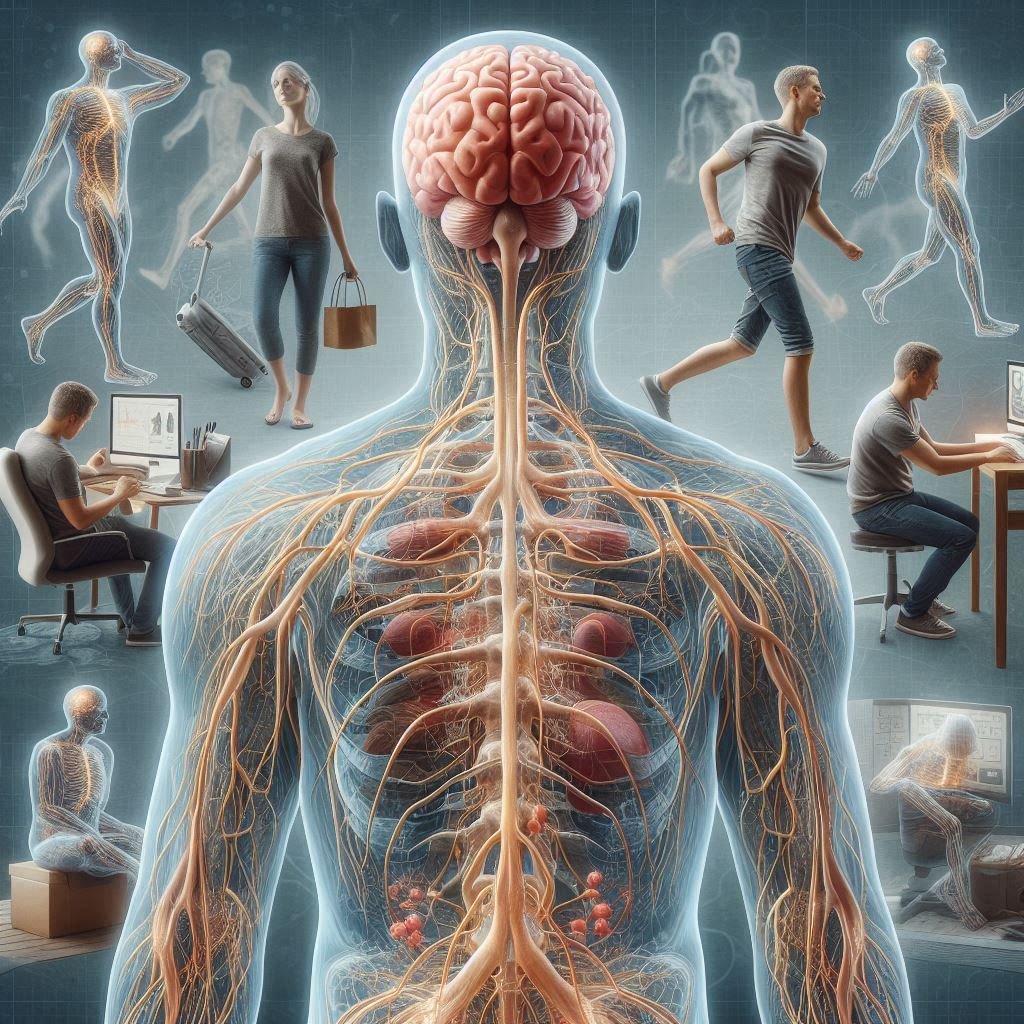
Besides the voluntary activities, the nervous system controls involuntary activities which are important to life. The heartbeat, breathing, digestion, and temperature are functions that happen automatically, which means that the body would be stable even when an individual is not consciously thinking about them. This self-regulation is evidence of the manner in which the nervous system ensures balance and sustenance of life. Knowledge about these processes plays a vital role in identifying why neuroscience is an essential aspect of health care because it offers basics of diagnosing and curing diseases that interfere with normal body functions.
Understanding Neurological Processes
Neurological processes entail transmission of signals by the use of neurons which are specialized cells that are meant to facilitate communication. These signals are transmitted as electrical impulses in neurons and are transmitted between cells, by chemical messengers known as neurotransmitters. This system enables the brain to communicate with other body parts by sending commands and checking the feedback by the sensory receptors. It is the efficiency of these processes that contribute to quick reaction to stimuli and accurate coordination of movements.
These processes are also the main subject of neuroscience that studies the work of the nervous system at the structural and functional level. Through the study of signal transmission and processing, scientists can obtain information on how the brain regulates behavior, thinking and the physiological processes. This information is crucial in detecting the abnormalities in neural communication and coming up with effective medical solutions. The significance of neuroscience in health care can be seen in terms of how this knowledge can result in better diagnosis and treatment of neurological conditions.
Medical Diagnosis of the Nervous System
Perhaps one of the greatest contributions of neuroscience to the field of health care is a diagnosis of medical conditions. Numerous diseases, including stroke, epilepsy, Parkinson, and multiple sclerosis, are associated with the impairment of the nervous system. The study of neurological processes will help the healthcare workers detect the root causes of such conditions and the most suitable treatment option. The brain imaging, nerve conduction studies, and nerve conduction studies, as well as the neurological examination, are all diagnostic tools whose principles are founded on neuroscience.
Such diagnostic tools enable physicians to evaluate the structure and functioning of the nervous system on a detailed basis. As an illustration, imaging methods could be used to identify abnormalities in the structure of the brain whereas electrical examinations could be used to check the quality of transmission of signals via the nerves. This degree of accuracy is necessary to diagnose and plan treatment accurately. It is here that the role of neuroscience in healthcare is especially critical, as it offers the knowledge and tools that are required to comprehend the intricate neurological disorders and enhance patient outcomes.
Neurological Disorders Treatment and Management
Treatment of the neurological disorders is strongly dependent on the knowledge of the functioning of the nervous system. Neuroscience has enabled the creation of different therapies and interventions to address particular neural communication aspects. Medications, such as, may be used to change the levels of neurotransmitters to treat conditions like depression, anxiety, and Parkinson disease. Surgery can be employed to excise tumors, repair injured neural structures and rehab therapy therapies can be employed to restore lost functions in patients through specific exercises and training.
Besides the conventional therapies, some of the new technological systems that have introduced new avenues of treating the neurological conditions include neurostimulation, brain-computer interfaces, among others. The foundations of these innovations lie in a profound knowledge of brain pathways and signal transmission and underscore the continued relevance of neuroscience in medical care. Researchers can use further investigation of the functioning of the nervous system to create better treatments and enhance the quality of lives of people with neurological conditions.
Preventive Health and Nervous System
Another area in which neuroscience comes in is in preventive care. Knowing the effect of the nervous system on factors like stress, food, and exercise, medical practitioners can offer guidance on how to ensure the nervous system remains healthy. Regular exercise, balanced diet, proper sleep and stress management (lifestyle choices) may considerably influence the way the nervous system works.
It is usually better to prevent rather than treat neurological disorders once they have developed. To illustrate, blood pressure management and healthy living can decrease stroke risk, whereas cognitive stimulation and socialization could slow the progression of neurodegenerative diseases. Neuroscience is also essential to the healthcare sector in the context of these preventive practices due to the scientific foundation of solutions that offer long-term health and well-being.
Applications of Neuroscience in the Real World
The real life applications of neuroscience are many and not just restricted to the clinical field. In learning, the learning process through the brain can be used to enhance the teaching process and the performance of students. In psychology, knowledge about the workings of the brain may be used in the explanation of behavior and emotional reactions. In technology, neuroscience is advancing to create artificial intelligence and brain-computer interfaces to support individuals with disabilities.
These applications show that the study of the nervous system can be widespread in the society. Using the understanding of neural processes to other areas, researchers and professionals can come up with new solutions to complex problems. Such flexibility highlights the significance of neuroscience in healthcare and in general, because it is used to enhance innovations in various fields that enhance human life.
The Future of Neuroscience in Healthcare
Neuroscience has a bright future in terms of health care with current studies centered around learning more about the brain and the nervous system. Scientists are now able to study neural activity on new levels due to advances in technology, and they are making new discoveries regarding the nature of how the brain works, as well as how diseases progress. Such observations are laying the groundwork to more personalized and effective therapies, new prevention and rehabilitation methods.
The role of neuroscience in healthcare is only going to continue to grow as more studies are conducted. Gene therapy, regenerative medicine, and cutting-edge neuroimaging procedures are only a few examples of innovations that can revolutionize the treatment of neurological conditions. Neuroscience will remain an important part of the world as it develops upon the existing knowledge and expands into new horizons to help improve health outcomes and the quality of life of people worldwide.
Conclusion
Nervous system plays a crucial role in daily life as well as in medical science because it is the basis of movement, sensation, thinking and automatic body processes. It is one of the most crucial systems in the human body due to its complexity and efficiency. Neuroscience is essential in healthcare as it helps understand how this system works, what occurs when it malfunctions, and develop effective treatment and prevention approaches. The importance of neuroscience in healthcare is crucial in enhancing patient care and outcomes since it is used to diagnose neurological disorders and develop new forms of treatment. Learning the nervous system and its functions, both individuals and healthcare workers will be able to value its importance and strive to preserve and enhance neurological health.