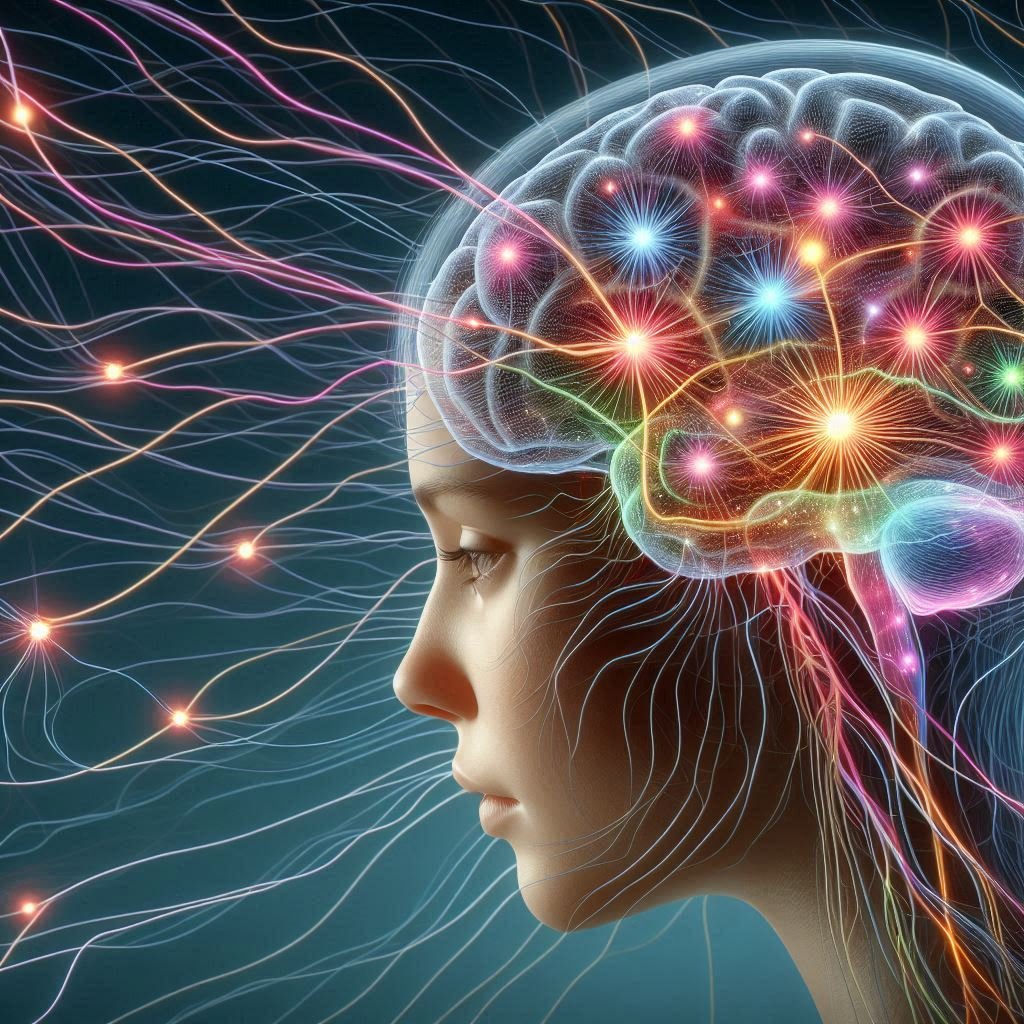
Human body is a highly complex system of communication which enables the body to work in a smooth manner, adapt to changes and ensure that there is balance in the body at all times. The brain is the central to this system and it transmits and receives signals constantly with other parts of the body. These messages are transmitted via special pathways called neural pathways and form a complex network that links the brain, spinal cord and peripheral nerves. All our actions are based on this system of communication, be it voluntary or involuntary, such as walking or breathing. The knowledge of how these pathways functions can be used to explain how the body manages to coordinate movement, process information and respond to the environment in real time. This article discusses the science of brain signals and body communication, how neural pathways work and why they are important in our daily lives.
Learning about Neural Pathways and Communication Networks
Neural pathways are organized pathways of interconnected neurons transmitting signals in the nervous system. These are the pathways that enable information to pass swiftly and effectively between various parts of the body and the brain. Neural pathways are the main concept in the study of communication in the body because they are likened to the highways of electrical and chemical signals in the body. The design of each pathway is specific to a given purpose, e.g., the transmission of sensory information to the brain or the transmission of motor commands to muscles.

The nervous system is divided into two principal parts; the central nervous system and the peripheral nervous system. The information is processed in the central nervous system and the peripheral nervous system is the means of communication between the brain and the rest of the body. These systems are interconnected by neural pathways, which maintain the correct transmission of signals and a fast rate. The efficiency of the communication network is shown by the fact that this organization enables the body to react to the stimuli nearly immediately. The absence of neural pathways would prevent the brain to manage the coordination of actions or to make sense of the surroundings.
The Process of Signal transmission to the Body by the Brain
Sending signals is initiated in the brain where the information is processed and decisions are made. At the time the brain determines the need to perform an action, electrical impulses are sent out over the neural pathways to the spinal cord and subsequently to the relevant muscles or organs. These messages are carried through motor neurons, which are special cells that help in transmitting the instructions of the central nervous system to the body. It is the capacity of the brain to transmit signals via neural networks that enables human beings to walk, talk and pick things.

This is done by a very accurate coordination of various parts of the brain. The motor cortex designs and initiates movement and the cerebellum makes sure that the movement is smooth and balanced. The signals are adjusted continuously with the feedbacks of the body enabling the body to make accurate and controlled actions. The rate of these signals is amazing and in most cases is in milliseconds. This fast communication underscores the significance of neural pathways in ensuring the effective communication between the brain and the body.
Body sends Signals to the Receiver
The nervous system is not a one directional communication system; the brain also receives an input on the body via sensory channels. Changes detected by sensory receptors include temperature, pressure, pain, and light on the skin, muscles and organs. These messages are sent to the brain via the sensory neurons, which form part of the neural pathways of conveying information to the central nervous system.
After the signals get to the brain, they are processed and interpreted to form significant experiences. To illustrate, when you open a hot object, the heat is felt by sensory receptors and is relayed to the brain via neural pathways. This information is perceived by the brain as pain and a signal is sent back to remove your hand is sent immediately. This two-way communication is important so that the body is able to respond to the environment in a certain way. The effectiveness of such a system is determined by the integrity and speed of neural pathways, enabling quick and correct exchange of information.
The purpose of Electrical and Chemical Signals
Signal transmission via neural pathways is a process that entails electrical and chemical mechanisms. Signals in a neuron are sent as electrical impulses called action potentials. These impulses travel in the axon of the neuron that transmits information between various parts of the cell. The signal is sent to the end of the neuron, and it becomes transformed into a chemical signal as neurotransmitters.

The neurotransmitters are released into the synapse, the tiny space between the neurons, and bind to receptors on the adjacent neuron. Through this, the signal is able to proceed with its journey along the neural pathway. This is due to the fact that the electrical and chemical signaling combined makes communication in the nervous system quick and accurate. Various neurotransmitters have particular functions, affecting activities like movement, mood, attention, and memory. This complicated interaction demonstrates the complexity of neural pathways and their significance in the coordination of body functions.
Neural Pathways and Reflex Actions
The neural pathways allow the rapid response to be well illustrated with reflex actions. A reflex is automatic reaction to a stimulus that takes place without conscious thought. Reflexes are processed by the spinal cord in most cases, instead of the brain, and therefore, this process can respond even quicker. An example of this would be when you accidentally touch a hot object, the signal is passed to the spinal cord via sensory neural pathways and the motor pathways instantaneously relay a response to pull away your hand.
It shows how neural pathways may bypass the brain to focus on speed and protection. What happens is that the brain will still be informed of what has happened but only after the reflex action has taken place. This mechanism plays a critical role in survival because it reduces the chances of injury since it allows the body to respond to harmful stimuli instantly. Reflexes underline the effectiveness and flexibility of neural circuits in ensuring the safety and responsiveness of the body.
Organization and Co-ordination in our day-to-day life
Neural pathways do not exist in isolation, and they coordinate complex activities, which involve various systems within the body. The daily activities of walking, talking, and driving involve the combination of sensory, motor, and cognitive functions. The brain is a continuous input to the brain where the information is processed and commands are relayed through the neural pathways to facilitate a smooth and coordinated behaviour.
To illustrate, when walking on a rough surface the sensory pathways give information on position and balance, and the motor pathways control muscle activity to ensure stability. Meanwhile, cognition will enable you to strategize your movements and prevent obstacles. The fact that neural pathways are interconnected enables this smooth integration as various components of the nervous system are able to communicate and work together.
The importance of Neural Pathways to Health and Function
The effectiveness of neural pathways is critical to good health and well-being. Injuries to such pathways may interfere with communication between the brain and the body, causing movement, sensation, and coordination problems. Neural pathways are usually affected in cases of nerve injuries, neurological disorders and degenerative diseases and this indicates their significance in ensuring normal body functioning.
To keep the neural pathways healthy, it is important to take care of the nervous system, which can be achieved by good lifestyle practices, such as good nutrition, physical exercise, sleep and managing stress. These attributes aid in the well-being of neurons and the effectiveness of transmitting signals. Knowledge on the role of neural pathways may enable individuals to value the need to preserve their nervous system and health in general.
Conclusion
The neuroscience of brain signals and communication within the body unveils how phenomenally complex and efficient the nervous system is. The brain has the capacity to transmit and receive messages that govern all facets of human life through interrelated networks of neurons referred to as neural pathways. These pathways make the body work well and adapt to changing conditions; from voluntary movements to automatic responses. Through the knowledge of how neural pathways operate, it is easy to realize that the body is able to move, think and respond through this complex form of communication. This information not only makes us appreciate the human body more but also emphasizes the need to keep these crucial channels in good health to have a healthy and responsive life.