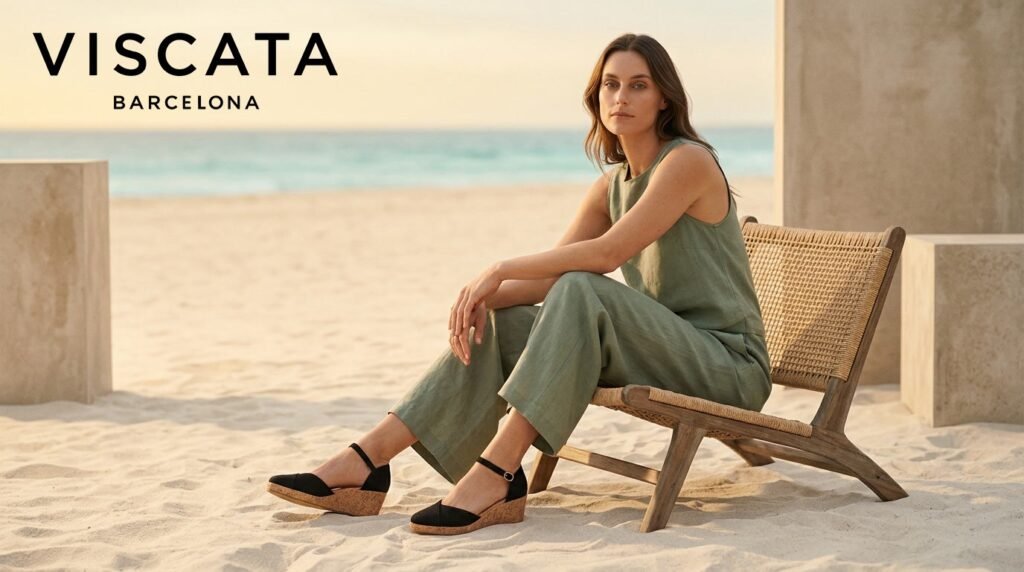
Canvas, suede, and leather each change the way an espadrille behaves. The silhouette may stay familiar, but the feel, structure, and upkeep shift noticeably depending on the material you choose.
That matters more than it seems at first. One material may be better for heat and easy wear, another for texture and seasonal flexibility, and another for longer-term durability. Viscata offers all three across its espadrille range, which makes the choice less about quality and more about what you want the shoe to do.
Canvas Works Best When Lightness Matters
Canvas is the material most people associate with espadrilles, and for good reason. It is lightweight, breathable, and easy to wear in warm conditions.
That makes canvas a practical choice for everyday use, especially when comfort from the start matters. The material feels flexible on the foot, and it usually requires less break-in time than leather. It also pairs naturally with the casual character of an espadrille, which is why canvas remains such a common choice for this style.
Care is relatively simple. Dust and light marks can usually be handled with a soft brush or damp cloth. Canvas also typically holds color consistently across its surface, which helps explain why it works so well in both neutrals and seasonal tones.
Its main limitation is moisture. Canvas is not waterproof, and repeated exposure to wet conditions will affect how it wears over time.
Choose canvas if you want something breathable, low-maintenance, and easy to wear right away.
Suede Adds Texture Without Feeling Too Formal
Suede changes the look of an espadrille more than people expect. The shape stays relaxed, but the finish feels softer and more refined.
This is where suede stands apart. It brings texture, depth, and a slightly richer look than canvas without pushing the shoe too far away from its casual roots. That makes it useful for wardrobes that lean more on tone and fabric than on bold prints or sharper styling.
It also feels soft from the beginning. Suede tends to be comfortable against the foot and usually does not require an extended break-in period. In practical terms, it often works well for slip-ons, flats, and other styles that sit close to the foot.
The tradeoff is care. Suede is more sensitive to water and surface marks, so it benefits from a water-repellent spray and more regular upkeep than canvas. Ignore that, and it tends to show wear faster.
Choose suede if texture matters to you and you do not mind giving the material a little more attention.
Leather Brings More Structure and Staying Power
Leather changes the character of an espadrille in a different way. It adds more structure, feels more polished, and generally holds up better under varied, sustained use than canvas or suede.
It also behaves differently on the foot. Leather does not give as quickly at first, so the break-in period is usually longer. Once it softens, though, it tends to hold its shape well and maintain a more defined fit over time.
This makes leather a strong option for people who want an espadrille that feels a little more substantial. It can also handle occasional moisture better than canvas or suede, although it still benefits from proper care.
In visual terms, leather pushes the espadrille slightly further toward polished dressing. The jute sole keeps it grounded, but the upper adds enough refinement to make it work in settings where canvas might feel too casual.
Choose leather if you want more structure, more durability, and a finish that feels slightly more elevated.
How the Materials Compare in Practice
Here is the simplest way to think about it:
• Canvas is the easiest and lightest option.
• Suede adds softness and texture.
• Leather offers more structure and generally longer wear.
None of them is universally better. They just do different jobs.
That is the part people tend to overcomplicate. The better material is usually the one that fits the conditions you wear your shoes in most often.
A Simple Way to Decide
If you mostly want an espadrille for warm days, travel, and easy casual wear, start with canvas. If you want something softer-looking with more visual depth, suede makes sense. If you expect to wear the pair often and want a more structured finish, leather is usually the stronger option.
Viscata’s collection includes all three, so the decision comes down to what matters most to you: breathability, texture, or durability. Looking at the range with that in mind makes the choice much easier.