Every parent knows the struggle: you want a home that looks beautiful, but the moment kids and pets enter the picture, every design choice becomes a safety calculation. Rugs, in particular, sit at the center of this dilemma — they need to be soft enough for little ones to tumble on, tough enough to survive a dog’s enthusiasm, and ideally free of anything that could cause harm. Jute rugs have surged in popularity as a natural, eco-friendly flooring option, drawing attention with their earthy texture and understated elegance. But are they actually a smart choice for households that see daily chaos?
The answer isn’t straightforward. Jute brings genuine advantages — it’s a plant-based fiber, largely free of synthetic chemicals, and carries a certain durability that appeals to busy families. At the same time, it comes with real limitations that parents and pet owners need to understand before making a purchase. This article takes a practical look at jute rugs through the lens of family life, examining their safety profile, how well they hold up under heavy use, and what specific features to prioritize when shopping. You’ll also find actionable maintenance tips to help any jute rug last longer in a home where spills, scratches, and foot traffic are simply part of the daily routine.
Understanding Jute Rugs: Safety and Durability Fundamentals
Natural Fiber Safety: What Parents Need to Know
Jute is a plant-derived fiber harvested primarily in South Asia, and its natural origin is one of its most compelling selling points for health-conscious families. Unlike synthetic rugs made from nylon or polypropylene, jute doesn’t rely on petroleum-based chemicals during production, which means it’s far less likely to off-gas volatile organic compounds into your living space. For households with young children who spend significant time on the floor, that matters. Jute is also generally considered hypoallergenic, though it’s worth noting that individuals with grass or plant allergies may occasionally react to natural fiber dust. The texture is where jute diverges most noticeably from synthetic alternatives — it’s coarser than wool or cotton, which can feel rough on bare knees and sensitive skin. Children who play directly on jute may find it less comfortable than a plush carpet, making it better suited for areas where shoes are typically worn rather than dedicated play zones.
Assessing Durability for High-Traffic Areas
Jute fibers are surprisingly strong under dry conditions, making them reasonably resilient in moderate-traffic areas like living rooms and dining spaces. The weave density of a jute rug directly determines how well it holds up over time — tighter weaves resist fiber separation and surface wear far better than loosely constructed options. However, jute has a well-documented vulnerability to moisture. When wet, the fibers weaken, become prone to mildew, and can leave brown staining on floors beneath. This is a critical limitation in homes where spills are routine. Pet water bowls, juice cups, and muddy paw prints all pose a genuine threat to a jute rug’s structural integrity. For high-traffic zones that see frequent mess, jute alone may struggle to meet the durability demands of an active family without consistent and prompt maintenance.
Evaluating Jute Rugs for Child and Pet Safety
Beyond the general safety and durability picture, families need to examine jute rugs through a more specific lens — one that accounts for the particular hazards that children and pets introduce. Loose fibers along the edges of a jute rug can become a choking hazard for toddlers who explore everything with their mouths, making reinforced or bound borders a non-negotiable feature for homes with very young children. Edge stability also matters for trip prevention; curling corners are a common complaint with natural fiber rugs, especially in high-traffic zones where the rug shifts repeatedly throughout the day. Material softness is another consideration — while jute’s coarse texture works well in entryways or dining rooms, dedicated play areas benefit from rugs with a softer surface, which is why jute-cotton blends have become a practical middle ground for families who want natural materials without sacrificing comfort underfoot.
Minimizing Risks: From Allergens to Accidents
Reducing risk starts before the rug even arrives home. When shopping, look for rugs that carry certifications confirming non-toxic dyes and finishes — labels from organizations like OEKO-TEX indicate the product has been tested for harmful substances. Once the rug is in place, slip resistance becomes the immediate priority. Jute rugs on hardwood or tile floors can slide dangerously under running feet, so pairing any jute rug with a quality non-slip rug pad is essential rather than optional. Inspect the rug’s edges and surface every few weeks for signs of fraying or fiber separation, particularly in corners where pets tend to scratch or children grab. Catching early damage prevents small problems from becoming larger safety concerns.
Pet-Specific Considerations: Claws and Stains
Pets present a distinct set of challenges that jute handles with mixed results. On the positive side, jute’s tight weave in higher-quality rugs resists snagging better than looped pile carpets, meaning cat and dog claws are less likely to pull individual fibers free. However, accidents involving urine are particularly problematic — the moisture weakens jute fibers while the ammonia accelerates discoloration and odor retention in a way that’s difficult to fully reverse. For households with dogs still in training or cats prone to marking, a polyester-jute blended rug offers a more forgiving surface, as the synthetic component adds moisture resistance without completely abandoning the natural aesthetic. Brands like Lahome offer polyester-jute blended options specifically designed with family use in mind, making it easier to find constructions that balance natural appeal with practical durability. Alternatively, placing a washable flat-weave cover over a jute rug in pet-heavy zones gives you the look you want with a removable, cleanable layer absorbing the brunt of daily pet activity.
Choosing the Right Jute Rug: Practical Solutions and Keyword Integration
Solution Steps: How to Select a Safe and Durable Jute Rug
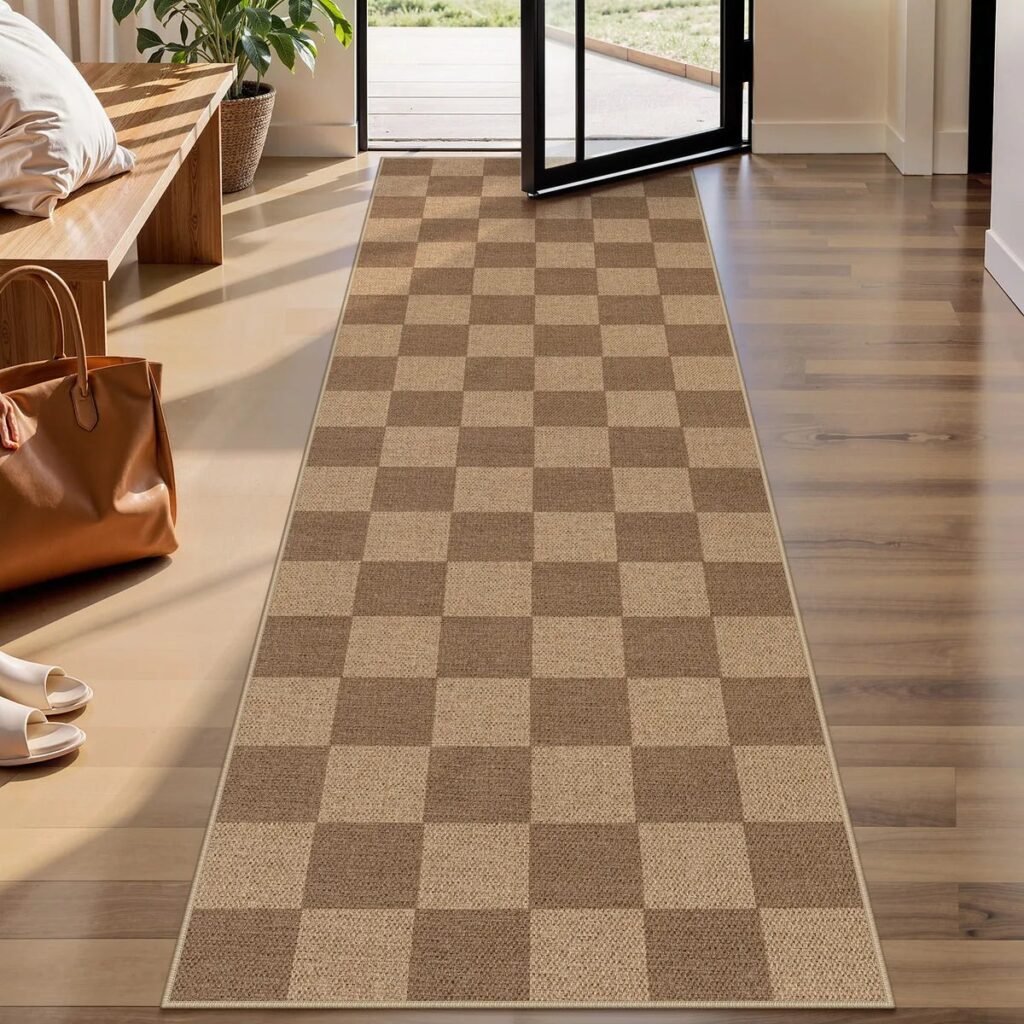
Selecting the right jute rug for a family home requires more than picking a color that matches your sofa. Start by measuring the room and matching the rug size to actual traffic patterns — an easy jute rug 8×10 works well in open living rooms or dining areas where families gather, providing enough coverage to anchor furniture while giving kids room to move without constantly stepping off the edges. Once size is settled, shift your focus to material composition. Pure jute performs beautifully in low-moisture, low-traffic spaces, but for rooms where spills and pet activity are daily realities, polyester jute rugs offer a meaningful upgrade. The synthetic fibers woven through the natural jute add moisture resistance and make surface cleaning considerably easier without sacrificing the organic, textured look that makes jute appealing in the first place. Next, examine the backing and underside of any rug you’re considering. A non-slip backing or the addition of a quality rug pad is non-negotiable on hard floors — this single feature prevents the majority of trip-and-fall accidents that occur when rugs shift underfoot. Finally, think carefully about placement. Narrow spaces like hallways and entryways are ideal candidates for a jute runner rug, which provides a welcoming, natural aesthetic while protecting high-traffic flooring in a format that’s easier to replace when wear becomes visible.
Keyword-Focused Recommendations for Different Needs
Different rooms and different households call for different solutions. For families managing both children and pets, polyester jute rugs stand out as the most versatile choice — the blended construction cleans up faster after accidents, resists staining better than pure jute, and holds its shape under repeated vacuuming. In dedicated pet zones or playrooms, look specifically for pet-friendly rugs that feature tight, flat weaves with minimal looping, since loops give claws and curious fingers something to pull. Bound or serged edges on these rugs prevent fraying and eliminate the loose fiber risk that concerns parents of toddlers. For transitional spaces like mudrooms, back hallways, or front entries where shoes come off and paws come in, a jute runner rug in a darker natural tone hides surface dirt between cleanings while protecting the floor beneath. Whatever the setting, always cross-reference any rug with available certifications — OEKO-TEX Standard 100 or similar labels confirm that dyes and finishing chemicals have been independently tested, giving families a reliable baseline for non-toxic assurance before anything enters the home.
Maintenance and Care for Long-Lasting Performance
Even the best jute rug will deteriorate quickly in a family home without a consistent care routine. The good news is that maintaining jute doesn’t require specialized products or professional cleaning — it requires speed, the right technique, and a few preventive habits applied regularly. Understanding how to handle the inevitable spills, scratches, and daily grime that come with kids and pets is what separates a jute rug that lasts years from one that needs replacing within months.
Cleaning Protocols for Accidents and Spills
Speed is the single most important factor when a spill hits a jute rug. Blot — never rub — liquid immediately using a clean, dry cloth, working from the outer edge of the spill inward to prevent spreading. For solid messes, scrape away the bulk with a spoon or dull knife before any moisture treatment. When mild cleaning is necessary, mix a small amount of dish soap with cold water, apply sparingly with a damp cloth, and blot dry immediately afterward. Avoid soaking the rug or using a wet mop, as excess moisture is jute’s primary enemy. After any wet cleaning, elevate the rug slightly and allow air to circulate underneath until it’s completely dry — a fan speeds this process considerably and prevents mildew from taking hold. For households using washable flat-weave covers over their jute base, simply remove and machine-wash the cover while the jute layer stays dry and undisturbed.
Preventive Measures to Reduce Wear and Tear
Prevention consistently outperforms reactive cleaning when it comes to jute longevity. Vacuum the rug weekly using a suction-only setting — avoid beater bar attachments, which fray natural fibers over time. Rotate the rug every three to four months so foot traffic wears the surface evenly rather than creating thinned patches in heavily used corridors. Place furniture coasters or felt pads under chair and table legs to distribute weight and prevent fiber compression in fixed spots. Keep the rug out of prolonged direct sunlight, which causes jute to become brittle and fade unevenly. In humid climates or damp seasons, a dehumidifier in the room helps maintain the dry environment jute needs to stay structurally sound. These small, consistent habits compound into significantly extended rug life — a meaningful return on investment for any family home.
Making Jute Work for Your Family Home
Jute rugs can absolutely work in homes with kids and pets — but only when chosen and maintained with intention. Their natural fiber composition, minimal chemical processing, and earthy durability make them a genuinely appealing option for health-conscious families. The limitations are real, particularly around moisture sensitivity and coarse texture, but they’re manageable with the right approach. Opting for polyester jute rugs in high-traffic or accident-prone areas gives you the organic aesthetic without sacrificing practicality. Pairing any jute rug with a quality non-slip pad, checking for OEKO-TEX certification, and choosing reinforced edges addresses the most common safety concerns before they become problems. On the maintenance side, fast spill response, regular vacuuming with the correct attachment, and seasonal rotation extend rug life considerably in busy households. The bottom line is that jute doesn’t have to be an either-or decision between style and function. With informed choices at the point of purchase and consistent care habits in place, a jute rug can anchor your living space beautifully for years — surviving the daily reality of muddy paws, curious toddlers, and everything in between.