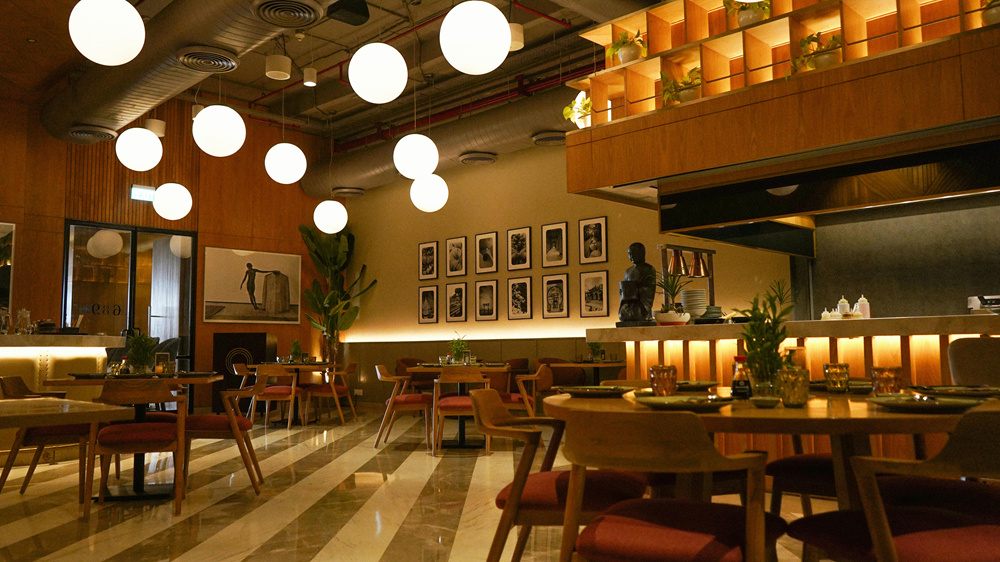
Restaurant success depends on more than great food and friendly service. The physical layout of a space directly shapes how efficiently staff can work and how comfortably guests can dine. Poor traffic flow can overwhelm servers, delay service, and quietly reduce revenue even when demand is high. A thoughtfully designed floor plan, on the other hand, supports smooth movement, clear communication, and a rhythm that keeps both staff and guests satisfied. When traffic flow is treated as a strategic tool rather than an afterthought, restaurants gain a powerful advantage.
Why Traffic Flow Matters More Than Most Operators Realize
Traffic flow refers to how people and objects move through a space during service. In a restaurant, this includes servers, hosts, food runners, guests, and even dishes traveling between tables and the kitchen. When pathways are unclear or cramped, small delays compound quickly. Servers take longer routes, collide with one another, or spend extra energy navigating obstacles.
These inefficiencies increase physical strain and mental fatigue, which contributes directly to burnout. Over time, stressed staff are more likely to make mistakes or leave altogether. Clear traffic flow reduces unnecessary movement and helps employees conserve energy across long shifts. A space that supports intuitive motion allows staff to stay focused on hospitality rather than logistics.
Designing Clear Service Paths Between Key Zones
At the core of strategic traffic flow is the relationship between the dining room, kitchen, bar, and service stations. Servers should be able to move between these zones using direct routes that avoid guest congestion whenever possible. When service paths overlap with customer entry points or high traffic seating areas, delays and discomfort follow.
Well planned layouts often separate inbound and outbound movement. For example, clean dishes should not cross paths with dirty ones, and food delivery routes should avoid host stands or waiting areas. Service stations placed at logical intervals reduce long walks back to the kitchen and allow staff to stay closer to their sections. These design decisions may seem subtle, but they significantly influence speed and accuracy during peak hours.
Seating Layouts That Support Speed Without Rushing Guests
Table placement plays a major role in balancing efficiency and comfort. Overcrowding the dining room may increase seating capacity on paper, but it often slows service and reduces turnover in practice. When tables are spaced too closely, servers struggle to move freely and guests feel rushed or cramped.
Strategic layouts consider sightlines, aisle widths, and access points. Servers should be able to approach tables from consistent angles without weaving between chairs. Guests should feel relaxed rather than pressured by constant traffic passing nearby. When movement feels controlled and purposeful, diners tend to enjoy their experience more and finish meals at a natural pace. This leads to faster table turns without sacrificing satisfaction.
Reducing Staff Fatigue Through Smarter Spatial Planning
Server burnout is often blamed on staffing levels or customer volume, but layout frequently plays an equal role. Excessive walking, awkward reach zones, and poorly placed storage increase physical strain. Over a long shift, these inefficiencies take a real toll.
Smart floor plans reduce steps by aligning work zones with service responsibilities. Beverage stations near clustered tables, POS systems placed along natural routes, and accessible storage all help servers work more comfortably. Restaurants that consult with experienced designers, including architecture firms in Denver or your area, often uncover layout adjustments that dramatically improve staff endurance. When employees move with ease, morale improves and service quality follows.
How Flow Impacts Turn Times and Revenue
Table turns depend on timing. Orders need to be taken promptly, food delivered quickly, and checks closed without delay. Poor traffic flow disrupts each of these moments. A server delayed by congestion cannot greet a new table or drop the check at the right time.
By contrast, efficient layouts support a steady service cadence. Servers can anticipate needs, respond quickly, and maintain momentum. This consistency leads to faster turn times that feel seamless rather than rushed. Over the course of a day or week, even small time savings per table add up to meaningful revenue gains. Guests leave with a positive impression, staff remain energized, and operations run profitably.
Conclusion
A restaurant floor plan is more than a backdrop for dining. It is a working system that shapes behavior, energy, and outcomes. Strategic traffic flow reduces server burnout by minimizing unnecessary movement and frustration. At the same time, it increases table turns by supporting prompt, polished service. When operators treat layout as a core operational strategy rather than a fixed constraint, they create spaces that serve both people and performance. Thoughtful design decisions today can lead to smoother shifts, happier teams, and stronger bottom lines tomorrow.