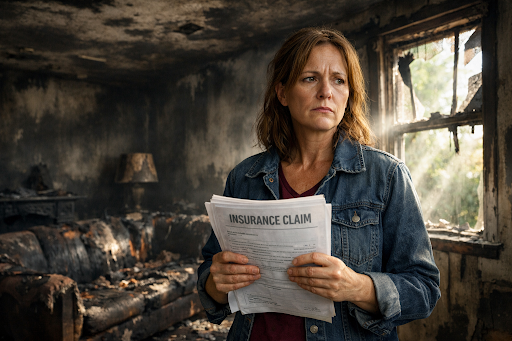
Few experiences can shake a homeowner like the aftermath of a fire. Beyond the immediate danger, the lingering smoke, charred belongings, and structural damage create both emotional and financial stress. Understanding the claims process for fire and smoke damage is crucial to ensure you receive the compensation needed to rebuild and recover.
Even minor fires can lead to complex insurance claims, and mistakes during the process can result in delayed payouts or insufficient coverage. This guide dives deep into the essential steps, practical tips, and expert insights that homeowners should know when navigating fire and smoke damage claims.
Understanding Fire and Smoke Damage
Fire damage isn’t just about what’s visibly burned. Smoke infiltrates walls, ceilings, and ductwork, leaving odors and residue that are difficult to remove. Some types of smoke damage can be particularly insidious:
- Soot Damage: Fine black particles from incomplete combustion settle on surfaces, sometimes causing long-term staining and corrosion.
- Acidic Residue: Smoke from synthetic materials can leave corrosive residue, which deteriorates metals, electronics, and appliances.
- Odor Penetration: Smoke odor can cling to porous materials like upholstery, carpets, and curtains, often requiring professional deodorization techniques.
According to the National Fire Protection Association, roughly 356,000 residential fires occur annually in the U.S., highlighting the importance of prompt and accurate insurance claims. Even if damage seems minor, delayed reporting can result in lower compensation or denial of certain aspects of your claim.
Immediate Steps After a Fire
After ensuring your safety and contacting emergency services, there are critical actions homeowners should take:
- Document the Damage: Take detailed photos and videos of affected areas, including structural damage, personal belongings, and appliances.
- Contact Your Insurance Company: Notify your insurer immediately and provide the documentation you’ve collected.
- Prevent Further Damage: Temporary measures such as boarding up windows or covering holes in the roof can prevent water intrusion or additional damage.
- Retain Receipts: Keep all receipts for temporary repairs, lodging, or cleanup services. These expenses may be reimbursable under your policy.
Even trusted restoration companies like SERVPRO and Belfor Property Restoration advise homeowners to maintain thorough records. These records serve as evidence and support your case if disputes arise over coverage limits.
Filing Your Fire and Smoke Damage Claim
When filing a claim, homeowners should be meticulous in detailing every affected area. Policies often differentiate between:
- Structural Damage: Walls, roofing, and flooring compromised by heat, flame, or smoke.
- Contents Coverage: Personal items such as furniture, electronics, and clothing.
- Additional Living Expenses: Costs incurred if you cannot live in your home during repairs.
Working with a knowledgeable adjuster can make a significant difference. For example, a fire and smoke damage claim adjuster in Bradenton, FL, can provide accurate assessments, ensuring that nothing is overlooked during the claims process. These experts understand how policies respond to complex damages such as smoke infiltration, water used to extinguish the fire, and hidden structural deterioration.
Common Pitfalls Homeowners Face
Even experienced homeowners sometimes encounter challenges that can delay or reduce claim payouts. Here are common pitfalls to avoid:
- Underestimating Smoke Damage: Many homeowners focus only on visible fire damage, overlooking pervasive smoke and soot that can cause long-term issues.
- Delayed Reporting: Waiting too long to file a claim can result in denied coverage or disputes over the cause of damage.
- Hiring the First Contractor: While emergency repairs are sometimes necessary, engaging reputable restoration specialists is critical. Cheap or inexperienced services can create additional problems, complicating insurance settlements.
- Incomplete Inventory: Failing to list damaged personal items meticulously can result in reduced reimbursement.
Practical Tips for Maximizing Your Claim
To secure full compensation, consider these actionable steps:
- Hire a Licensed Public Adjuster: Public adjusters work exclusively for the homeowner, not the insurance company, ensuring that all damages are fully documented and evaluated.
- Separate Fire and Smoke Damage: Clearly distinguish between direct fire destruction and secondary smoke or water damage when documenting losses.
- Keep Communication Records: Maintain emails, messages, and phone logs with insurance representatives, contractors, and adjusters.
- Understand Policy Limits: Knowing your coverage caps can help you prioritize repairs and negotiate effectively with insurers.
Competitors such as Pilot Catastrophe Services or Crawford & Company provide emergency claims support, but engaging a local expert often ensures faster response and personalized attention.
When Additional Damage Complicates Your Claim
Sometimes, a fire is accompanied by other events, such as a storm or severe weather, that worsen property damage. In such cases, a storm damage insurance adjuster in Bradenton, FL, can help evaluate overlapping damages and prevent underpayment or policy conflicts.
This is particularly important in Florida, where hurricanes and storms often coincide with secondary home incidents.
Long-Term Considerations
Recovering from a fire extends beyond immediate repairs. Homeowners should:
- Monitor Air Quality: Even after cleanup, smoke particles can linger, affecting indoor air quality. Professional testing ensures a safe environment.
- Document Renovations: Keep records of all repairs for future insurance purposes or potential resale.
- Invest in Prevention: Installing fire alarms, sprinkler systems, and flame-resistant materials can reduce the severity of future incidents.
By approaching fire and smoke damage claims systematically, homeowners not only maximize their insurance benefits but also protect their property and peace of mind.
Conclusion
Navigating a fire or smoke damage claim can be complex, but with the right preparation, documentation, and expert support, homeowners can streamline the process and secure full compensation. From immediate post-fire actions to detailed claims documentation and professional adjuster assistance, each step is critical to achieving a successful outcome.
For expert guidance and support in managing your fire and smoke damage claims, visit Phoenix Claims Consulting. Their experienced team helps homeowners in Bradenton and beyond recover quickly, efficiently, and confidently.



Somebody essentially lend a hand to make significantly posts I might state That is the very first time I frequented your web page and up to now I surprised with the research you made to create this particular put up amazing Excellent job