The human body is a constant target for harmful microorganisms which include bacteria, viruses, and other pathogens. But we are also equipped with a very complex immune system which comes to our rescue. At the core of this defense system are white blood cells which play a key role in identifying, attacking, and getting rid of what’s harmful to us. These special cells are also very much the reason we stay healthy and which prevent infections from spreading in the body.
White blood cells what is also referred to as leukocytes mainly produce in the bone marrow and travel through the blood and lymphatic systems. Their function is to identify foreign substances and to quickly respond in to protect the body. Should white blood cells not function properly even the smallest of infections could become life threatening.
Studying the functions of white blood cells, what they are and how they go about their work gives us great insight into the body’s immunity. Also we see that it is important to support these cells via healthy life choices.
What Are White Blood Cells?
White blood cells are an integral part of the immune system that which goes out to war against infections and foreign invaders. In contrast to red blood cells that transport oxygen, white blood cells mainly focus on the immune response. While there are less of them in terms of number, they have a much more varied role.
These cells are in constant motion as they travel through the blood stream and tissues in search of signs of infection or injury. Upon detection of harmful pathogens, they trigger immune responses to counter the threat. Also white blood cells have the ability to talk to each other via chemical signals which in turn produces a coordinated and efficient defense.
White blood cells are a key component of the body’s protective system which they achieve through adaptation and response to many different threats.
Types of White Blood Cells
There are many forms of white blood cells which each play a particular role in the body’s protection. They work as a team to put up a strong defense against infections.
- Neutrophils
Neutrophils make up the largest group of white blood cells and are the first out of the gate in response to infection. They rush to the infected site and by way of phagocytosis put away harmful microorganisms. This quick response plays a large role in how we get control of an infection at it first sign.
- Lymphocytes
Lymphocytes are at the core of adaptive immunity. They include B cells and T cells, also known to be the cells which recognize certain pathogens. B cells generate antibodies to go after the foreign cells, and T cells have roles in eliminating infected cells and in overall regulation of the immune response.
- Monocytes
Monocytes which are present in the blood stream then enter tissues at which point they transform into macrophages or dendritic cells. These cells play a role in identifying pathogens and presenting them to other immune cells which in turn sets off a more powerful immune response.
- Eosinophils and Basophils
Eosinophils also do not present as a common cell type but are very much a part of the picture. They play a role in fighting off parasites and also in allergy. Basophils which are a less common cell type release histamine and other chemical mediators which cause inflammation and also play a role in the coordination of the immune response.
White Blood Cells which Identify Harmful Invaders
White blood cells’ ability to tell between the body’s which are its own cells and which are foreign invaders is key to good immunity. This process includes the recognition of certain markers we call antigens which are present on pathogens.
When foreign substances enter the body white blood cells identify these antigens which in turn sets off an immune response. Dendritic cells which are specialized cells process the antigens and present them to lymphocytes thus triggering a targeted response.

This recognition system is for white blood cells which they respond properly to threats but also which does not damage healthy tissues. Also it enables the immune system to adapt and improve its response as time goes by.
Mechanisms of Action in Fighting Infections
White blood cells which put forth many methods to get rid of harmful invaders. Also these processes are very much coordinated which see to the involvement of many different cell types.
In the main process of phagocytosis which is carried out by cells such as neutrophils and macrophages we see them engulf and break down pathogens. Also this process does which in turn signals other immune cells to respond.
Another key process is the production of antibodies by B cells which in turn bind to what is specific to the pathogen, thus marking it out for destruction and prevention of infection of other cells.
T cells play a role in directly killing off infected cells which in turn stops pathogens from replicating in the body. Also some T cells regulate the immune response which helps to avoid over reaction that may hurt the body.
Also white blood cells produce cytokines which are signals that in turn get the other immune cells to the site of infection and cause them to work better.
White blood cells in immunity
White blood cells play a key role in innate and adaptive immunity. In the case of innate immunity we see an immediate response to infection, from there we turn to adaptive which puts forward a more targeted and longer lasting response.
In the area of innate immunity cells such as neutrophils and macrophages react fast to a large variety of pathogens. This response is non specific but plays a key role in the early stages of fighting off infections.
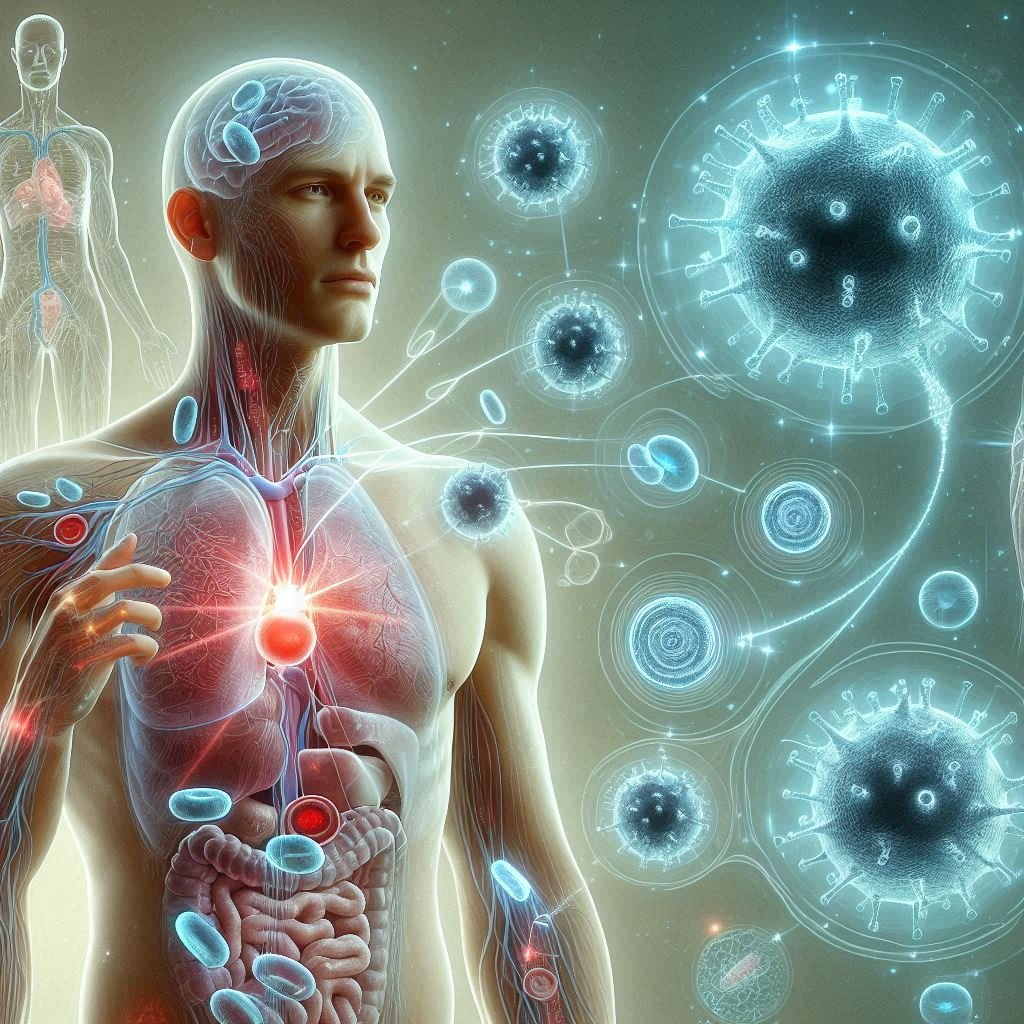
Adoptive immunity also includes lymphocytes which present particular pathogen determinants and which also remember them for past encounters. This memory element of the immune system causes a better response to the same pathogen at a later exposure.
Issues which affect White Blood Cell Function
White blood cell performance is at the affect of many variables which include what we put in our bodies and our over health. To do what is asked of them best we must do what we can to maintain optimal health.
Poor diet may also cause weak immunity with reduced activity of white blood cells at times. Also important for growth and function are vitamins and minerals which are essential.
Sleep also plays a role in weakening immune responses which in turn leaves the body more prone to infections. Sleep is a factor in the health and proper function of immune cells.
Chronic stress also plays a role in which the body’s immune system is weakened. Stress hormones may put the body at a greater risk of catching infections.
Supporting Healthy White Blood Cells
Maintaining high levels of white blood cells is achieved by adopting healthful practices which support the whole immune system. A diet which is balanced and which includes lots of fruits, vegetables, and protein puts the base for immune cell production.
Regular physical activity increases circulation at the same time that it causes white blood cells to move around the body more efficiently. Also exercise may see to put a brake on stress which in turn produces better health from an immunological perspective.

Sufficient sleep is key to a strong immune system. It is while you are asleep that the body repairs and regenerates cells which includes white blood cells.
Hydration is also key to support of nutrient and immune cell transport in the body. Also via use of relaxation methods we may see better immune function.
Role of White Blood Cells in Health Protection
White blood cells play a key role in disease prevention by way of detecting and removing pathogens before such have a chance to become severe health issues. Also these cells take part in the identification of defective cells, a factor that is at work to prevent some health problems.
A robust immune system which is supported by healthy white blood cells decreases your risk of infection and also sees you recover from illness at a faster rate. This also puts into play the importance of improving and maintaining that function via healthful lifestyle choices.
Conclusion
White blood cells are integral to the body’s health as they play a key role in fighting off infections. They do this by identifying, attacking and removing what which is harmful to the body which in turn keeps the body at a constant state of health in the face of pathogen exposure.
Knowledge of what different white blood cells do and the ways in which they act into play in the function of the immune system. Also we see that which foods we put in our body, how we live our life via exercise, sleep and stress management play a great role in supporting these cells.
By living healthy which means incorporating proper diet and exercise, people are able to fortify their immune system and put their white blood cells at better performance. Also this in turn is very helpful in the prevention of disease and in improving overall health.