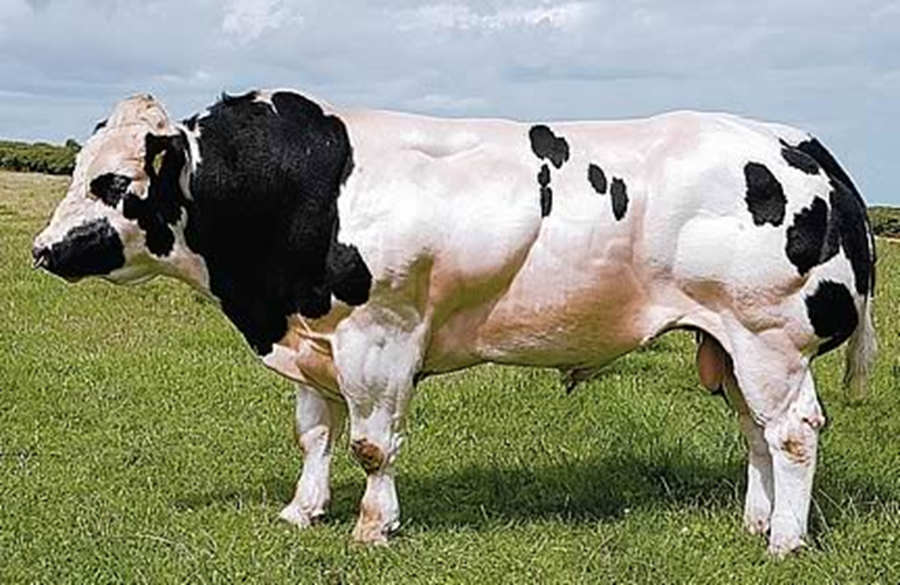
Ayrshire cattle are one of the most popular dairy breeds, known for their hardiness, excellent milk quality, and adaptability to various farming environments. Originating from Scotland, these cows are highly valued for their efficiency in milk production and resistance to certain health challenges. However, like all livestock, Ayrshire cattle are susceptible to specific diseases that can affect their productivity and overall health. Awareness of these conditions and proper prevention measures is essential for farmers aiming to maintain a healthy herd. In this article, we will explore common diseases in Ayrshire cattle and provide practical prevention tips, while also touching on comparisons with the Guernsey breed.
Common Bovine Diseases Affecting Ayrshire Cattle
Mastitis
Mastitis is one of the most frequent and economically significant diseases in dairy cattle, including Ayrshire cattle. It is an inflammation of the udder tissue, typically caused by bacterial infections such as Staphylococcus aureus and Escherichia coli. Mastitis can result in reduced milk yield, changes in milk quality, and in severe cases, systemic illness in cows.
Symptoms of mastitis include swelling, heat, redness in the udder, abnormal milk appearance such as clots or discoloration, and pain during milking. Early detection is crucial for effective treatment.
Bovine Respiratory Disease (BRD)
Bovine respiratory disease is a significant health challenge in Ayrshire cattle, particularly in young calves. This disease complex involves infections of the lungs and airways, often triggered by viruses like bovine respiratory syncytial virus (BRSV) or bacteria such as Mannheimia haemolytica. Stress factors, such as weaning, transport, and environmental changes, can exacerbate the condition.
Symptoms include coughing, nasal discharge, fever, rapid breathing, and reduced feed intake. Severe cases can lead to pneumonia, which is a leading cause of calf mortality.
Foot and Mouth Disease (FMD)
Foot and Mouth Disease is a highly contagious viral disease affecting cloven-hoofed animals, including Ayrshire cattle. FMD spreads rapidly through direct contact with infected animals, contaminated equipment, and even through the air in certain conditions. The disease is characterized by fever, blisters in the mouth and on the hooves, lameness, and reduced milk production. Outbreaks can cause significant economic losses and require strict quarantine measures.
Bovine Viral Diarrhea (BVD)
Bovine Viral Diarrhea is a viral infection that affects the reproductive and immune systems of Ayrshire cattle. Infected cows may exhibit diarrhea, fever, oral lesions, reduced appetite, and decreased milk yield. BVD can also lead to reproductive problems such as abortion, stillbirths, and congenital defects in calves.
Johne’s Disease
Johne’s disease, caused by Mycobacterium avium subspecies paratuberculosis, is a chronic intestinal disease affecting Ayrshire cattle. It leads to severe weight loss, diarrhea, reduced milk production, and general deterioration of health. The disease progresses slowly and is difficult to cure once established, making prevention and early detection critical.
Parasitic Infections
Ayrshire cattle are also prone to various parasitic infections, including gastrointestinal worms, liver flukes, and external parasites like lice and ticks. These infections can cause anemia, poor growth, reduced fertility, and decreased milk production. Calves and young cattle are especially vulnerable to parasites, which can lead to significant economic losses if left untreated.
Prevention Tips for Ayrshire Cattle
Maintain Proper Hygiene and Cleanliness
Maintaining a clean and dry environment is crucial for preventing diseases such as mastitis, BRD, and parasitic infections. Regular cleaning of barns, milking equipment, and feeding areas reduces the risk of bacterial and viral contamination. Bedding should be changed frequently, and proper ventilation should be ensured to minimize respiratory stress.
Implement Vaccination Programs
Vaccination is one of the most effective methods for preventing infectious diseases in Ayrshire cattle. Farmers should work closely with veterinarians to establish a comprehensive vaccination schedule that covers diseases like FMD, BVD, and respiratory infections. Timely vaccinations help strengthen the herd’s immunity and reduce disease outbreaks.
Regular Health Monitoring
Frequent health checks allow for early detection of illnesses in Ayrshire cattle. Farmers should monitor vital signs, observe for abnormal behavior, check milk quality, and perform routine examinations of hooves, skin, and eyes. Early intervention can prevent minor health issues from developing into severe problems.
Proper Nutrition and Feeding Practices
A well-balanced diet is essential for maintaining a strong immune system in Ayrshire cattle. Providing high-quality feed, adequate minerals, vitamins, and clean water supports overall health and reduces susceptibility to diseases. Special attention should be given to lactating cows and growing calves, as they have higher nutritional needs.
Control of Parasitic Infections
Regular deworming and external parasite control are necessary to prevent infestations. Using safe anthelmintics and following veterinary guidelines helps reduce the parasite burden in Ayrshire cattle. Additionally, rotating pastures and maintaining clean grazing areas can minimize exposure to parasites.
Quarantine and Biosecurity Measures
Introducing new animals to the herd carries a risk of disease transmission. Quarantining new arrivals for at least 2–3 weeks allows time for health assessment and necessary vaccinations before integration. Biosecurity measures such as disinfecting equipment, restricting visitor access, and preventing contact with wild animals help protect the herd from infectious diseases.
Proper Breeding and Genetic Selection
Selective breeding for disease-resistant traits can help enhance the overall health of Ayrshire cattle. Choosing breeding stock with strong immunity, good udder conformation, and resistance to common infections ensures that future generations are less susceptible to disease. While Ayrshire cattle are naturally hardy, combining this with sound breeding practices increases herd resilience.
Comparing Ayrshire Cattle with Guernsey Breed
While Ayrshire cattle are known for their hardiness and adaptability, the Guernsey breed also has unique advantages. Guernsey cows produce milk with higher butterfat and protein content, making them ideal for dairy products such as cheese and butter. However, Guernsey cattle are often more sensitive to environmental stress and certain infections compared to Ayrshire cattle.
Both breeds benefit from similar disease prevention strategies, including vaccination, hygiene maintenance, and proper nutrition. Farmers who manage mixed herds of Ayrshire cattle and Guernsey breed cows must pay special attention to environmental conditions and stress factors to ensure optimal health and productivity.
Conclusion
Maintaining a healthy herd of Ayrshire cattle requires knowledge of common diseases and proactive prevention measures. Mastitis, respiratory infections, BVD, Johne’s disease, and parasitic infections are among the most prevalent conditions affecting these cows. By implementing proper hygiene practices, vaccination programs, nutritional support, and biosecurity measures, farmers can reduce the risk of disease and enhance productivity. Understanding the differences between Ayrshire cattle and the Guernsey breed also helps in tailoring management practices for each breed’s specific needs.
A well-maintained herd not only ensures higher milk production and better quality but also contributes to the long-term sustainability of dairy farming operations. Consistent monitoring, preventive care, and informed management practices are key to keeping Ayrshire cattle healthy, happy, and productive for years to come.