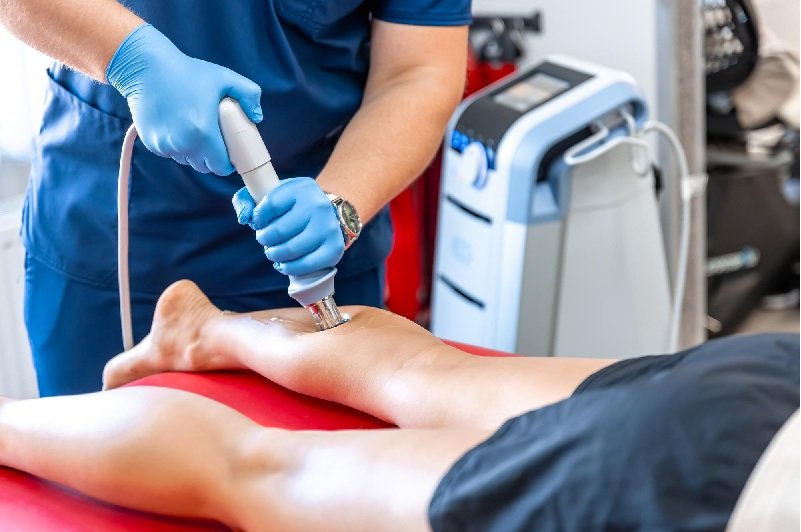
If you’re looking at https://www.lakesidechicagochiro.com/musculoskeletal-shockwave-therapy/, you’re probably dealing with pain that just won’t settle down with rest, stretching, or basic rehab. Musculoskeletal shockwave therapy, often called extracorporeal shockwave therapy (ESWT), is a non-invasive treatment that uses acoustic waves to stimulate a healing response in irritated or degenerative soft tissues.
In real-world use, it’s most often used for stubborn tendon and fascia problems, especially when symptoms have lingered for weeks or months. Research and clinical guidance commonly discuss ESWT for conditions like plantar fasciitis (heel pain), lateral epicondylitis (tennis elbow), and certain types of calcific tendinopathy.
What shockwave therapy is not. A “magic wand” that instantly fixes every ache. What it can be. A helpful option when a tendon or soft tissue injury is slow to respond and you need a structured plan that pushes healing forward while you keep building strength and better movement patterns. In a clinic setting, it’s usually part of a bigger musculoskeletal plan, not a standalone promise. That’s also why providers typically track symptoms and function over time instead of judging results after a single visit.
Common Issues Like Tendon Pain and Stubborn Soft Tissue Injuries
Shockwave therapy is most often discussed for “tendinopathy-style” problems. That’s the nagging tendon pain that flares with activity, improves a bit with rest, then returns as soon as you load it again. Common examples include plantar fasciitis (heel/arch pain), Achilles tendon pain, patellar tendon pain, tennis elbow, and some shoulder tendon issues. Evidence support is strongest in conditions like plantar fasciitis and lateral epicondylitis, with broader use across other stubborn tendon conditions depending on the case.
People often consider ESWT when they’ve already tried the basics and still can’t get back to normal activities. Basics might include load management (not pushing through pain every day), targeted strengthening, mobility work, footwear changes or orthotics for foot issues, and addressing training errors that keep re-irritating the tissue. When those steps help only partially, shockwave may be used to “restart” the healing process in tissue that’s been irritated for a long time.
It can also be useful when pain is localized and consistent. Same spot. Same trigger. Same post-activity flare. That pattern often points to a tendon or fascia that needs a better loading plan, plus a therapy that supports tissue remodeling. Importantly, a good clinician will still screen for red flags and rule out problems that need a different approach (like fractures, infections, or nerve-related symptoms) before choosing shockwave.
What to Expect During Treatment and How Progress Is Measured
A typical shockwave session is done in-office and doesn’t involve injections or surgery. The clinician targets the painful area and delivers controlled pulses to the tissue. You’ll usually feel tapping or pressure, and it can be uncomfortable over sensitive spots, but it should stay tolerable and brief. The goal isn’t to “power through” unbearable pain—it’s precise dosing so the tissue gets stimulated without creating a setback.
Right after a session, many people feel temporary soreness, kind of like you worked the area hard. That’s why most plans pair treatment with smart activity guidance. Not total rest, but also not jumping straight into the same high-impact routine that caused the flare. Your clinician may suggest short-term modifications, then build you back up with progressive loading (strength work and controlled return to sport or daily activity).
Progress should be measured in practical, repeatable ways, not vibes. Pain ratings at specific activities (first steps in the morning, stairs, gripping, running). Functional milestones (walking tolerance, workout load, time on your feet). Range of motion and strength checks when relevant. Some clinics also use quick questionnaires that score pain and function over time. The key is trend lines: less pain at the same activity, or more activity with the same pain. That’s the “real-world” signal that the tissue is improving.
With Lakeside Spine and Wellness Inc., the best expectation is a clear plan, honest progress checks, and adjustments based on measurable change—not guesswork.