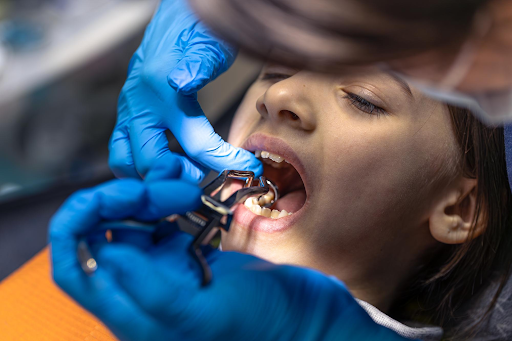
Maxillary protrusion is a common dental and facial condition in teenagers where the upper jaw extends forward more than normal, creating an imbalanced facial profile. During adolescence, rapid jaw growth and dental development make this an ideal time to diagnose and correct such issues. Seeking care at the Best Dental Clinic ensures that teenagers receive comprehensive evaluation, advanced imaging, and customized treatment planning designed to support both functional and aesthetic improvement. Early intervention not only enhances appearance but also prevents long-term complications related to bite alignment and jaw development.
Understanding Maxillary Protrusion in Teenagers
Maxillary protrusion occurs when the upper jaw, also known as the maxilla, grows disproportionately forward compared to the lower jaw. This can result in an overbite, lip incompetence, difficulty closing the mouth comfortably, and sometimes speech challenges. In teenagers, this condition may become more noticeable as facial growth accelerates during puberty.
The causes of maxillary protrusion may include genetics, prolonged thumb sucking during childhood, tongue thrusting habits, or abnormal jaw growth patterns. Since teenagers are still in a developmental phase, orthodontic and corrective treatments can guide jaw growth effectively and achieve better outcomes than in adulthood.
The Importance of Early Diagnosis
Early diagnosis plays a critical role in successful correction. Routine dental check-ups during childhood and adolescence help identify jaw irregularities before they become severe. Dentists and orthodontists use clinical examinations, digital X-rays, and 3D imaging to assess jaw alignment and tooth positioning.
When detected early, Maxillary protrusion can often be managed with less invasive procedures. Timely treatment helps reduce the risk of functional problems such as chewing difficulty, excessive tooth wear, and temporomandibular joint discomfort. Addressing the issue during teenage years also supports healthy self-esteem, as facial appearance can significantly influence confidence during this stage of life.
Orthodontic Treatment Options
For mild to moderate cases, orthodontic treatment is often the first line of correction. Braces or clear aligners gradually reposition teeth and improve bite alignment. In growing teenagers, functional appliances may be used to guide jaw growth and encourage better balance between the upper and lower jaws.
Orthodontic intervention during growth spurts can be highly effective because the jawbones are still adaptable. Treatment duration varies depending on severity, but consistent follow-ups ensure steady progress and optimal results. Modern orthodontic technology provides more comfortable and discreet solutions compared to traditional methods.
Orthognathic Surgery for Severe Cases
In cases of severe, primarily skeletal maxillary protrusion, orthognathic surgery may be recommended once facial growth is nearly complete. This procedure involves repositioning the upper jaw to achieve facial balance and proper bite alignment. Surgical correction is typically combined with orthodontic treatment for comprehensive results.
Advances in surgical planning, including digital simulation and 3D modeling, enable precise, predictable outcomes. Teenagers undergoing surgical correction benefit from improved facial harmony, enhanced chewing function, and better long-term stability. Although surgery may sound intimidating, modern techniques prioritize safety, minimal discomfort, and faster recovery.
Functional Benefits of Early Correction
Correcting maxillary protrusion is not solely about aesthetics. Proper jaw alignment improves chewing efficiency, speech clarity, and breathing patterns. When the upper jaw protrudes excessively, it can strain surrounding muscles and joints. Early treatment reduces these risks and promotes balanced oral function.
Additionally, aligned teeth are easier to clean, lowering the chances of cavities and gum disease. Teenagers who receive early treatment often enjoy healthier smiles well into adulthood. Addressing structural concerns at the right time ensures long-term dental stability and reduces the need for extensive corrective procedures later in life.
Emotional and Social Impact
Adolescence is a sensitive period when self-image plays a significant role in emotional well-being. A protruding upper jaw can sometimes make teenagers feel self-conscious about their appearance. Early correction helps improve facial symmetry and smile aesthetics, boosting confidence during school and social interactions.
Supportive care from experienced dental professionals can also ease anxiety about treatment. Clear communication, advanced technology, and a patient-centered approach create a comfortable environment that reassures both teenagers and their parents.
Recovery and Long-Term Care
Orthodontic treatments typically require consistent follow-up visits to monitor progress. After braces or aligners are removed, retainers are often prescribed to maintain results. In surgical cases, recovery involves a carefully monitored healing period, dietary adjustments, and post-operative evaluations.
Long-term success depends on maintaining good oral hygiene and attending regular dental check-ups. Teenagers who complete treatment usually experience lasting improvements in both function and appearance, provided they follow professional recommendations.
Choosing the Right Dental Care Provider
Selecting a trusted dental facility is essential for successful treatment outcomes. The Best Dental Clinic offers access to experienced orthodontists, advanced diagnostic tools, and comprehensive care tailored to each patient’s needs. Personalized treatment plans ensure that teenagers receive the most appropriate and effective intervention based on their specific condition and growth stage.
A collaborative approach involving dentists, orthodontists, and, if necessary, oral surgeons guarantees that every aspect of care is carefully managed. Parents should feel confident asking questions and discussing concerns to fully understand the treatment process and expected results.
Conclusion
Maxillary protrusion treatment during the teenage years offers a powerful opportunity to correct jaw alignment at the most effective stage of growth. Early diagnosis allows dental specialists to guide facial development, improve bite function, and enhance overall facial harmony before the condition becomes more complex in adulthood. With modern orthodontic techniques and, when necessary, advanced surgical options, treatment today is safer, more precise, and highly predictable.
Addressing maxillary protrusion early not only improves chewing, speech, and oral health but also strengthens self-confidence during a crucial stage of emotional development. Choosing the Best Dental Clinic ensures access to expert evaluation, personalized treatment planning, and continuous support throughout the correction process. With timely care and professional guidance, teenagers can achieve long-lasting functional and aesthetic benefits, setting the foundation for a healthy and confident future.