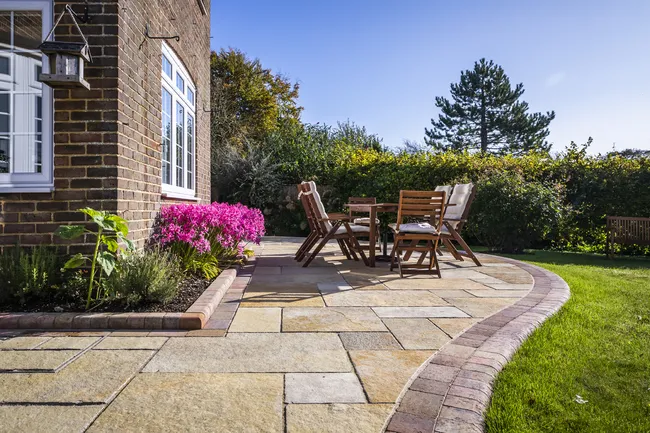
Creating a beautiful outdoor space is no longer just about planting flowers and placing a few chairs on the lawn. Modern landscapes demand structure, durability, and visual harmony. This is where Garden Slabs and Patio Slabs step in as essential design elements. They provide strength, functionality, and aesthetic appeal while shaping outdoor spaces that are both practical and inviting.
As someone deeply experienced in digital content strategy and search-focused writing, I have seen growing interest in durable landscaping materials that combine style with performance. Homeowners today are investing in outdoor spaces that reflect their personality while standing strong against weather and time. Choosing the right slabs can completely transform your garden or patio into a long-lasting extension of your home.
Why Durable Slabs Matter in Modern Landscaping
Durability is the backbone of any successful landscape design. Outdoor areas face constant exposure to rain, heat, frost, and foot traffic. Without high-quality materials, surfaces quickly crack, fade, or become uneven.
Garden Slabs are specifically designed to withstand these environmental pressures. They are manufactured using materials such as concrete, natural stone, porcelain, or sandstone, each offering distinct benefits. When installed correctly, they provide a stable surface that can last for decades.
Patio Slabs serve a similar purpose but are typically chosen for seating areas, dining spaces, and entertainment zones. Their durability ensures that furniture remains stable and that surfaces resist stains, moss growth, and weather damage.
Durable slabs are important because they:
• Reduce long-term maintenance costs
• Withstand heavy foot traffic
• Resist cracking and shifting
• Maintain color and texture over time
• Improve property value
Investing in high-quality slabs from the start saves both money and frustration in the future.
Types of Garden Slabs for Contemporary Spaces
Selecting the right type of slab plays a crucial role in achieving a modern landscape. Each material offers different textures, finishes, and strengths.
Concrete Slabs
Concrete is a popular and affordable option. Modern manufacturing techniques allow concrete slabs to mimic natural stone, wood, or even marble. They are strong, versatile, and available in various colors and finishes.
Concrete Garden Slabs are ideal for structured layouts, geometric patterns, and minimalist designs.
Natural Stone Slabs
Natural stone provides timeless elegance. Materials like granite, limestone, and sandstone create organic textures and subtle color variations. They blend beautifully with plants and natural surroundings.
Although slightly more expensive, natural stone offers exceptional longevity and premium visual appeal.
Porcelain Slabs
Porcelain has gained significant popularity in modern landscaping. It is non-porous, resistant to stains, and extremely durable. Porcelain Patio Slabs are perfect for sleek outdoor dining spaces and contemporary garden paths.
They are also low maintenance and easy to clean, making them suitable for busy households.
Designing a Modern Patio with the Right Slabs
Modern landscapes focus on clean lines, open spaces, and seamless transitions between indoor and outdoor areas. Patio Slabs play a central role in achieving this look.
When designing a patio, consider:
• Color coordination with your home exterior
• Slip resistance for safety
• Size and layout pattern
• Drainage and ground preparation
Large-format slabs are particularly popular in modern designs. They create fewer joints, giving patios a spacious and uncluttered appearance.
Neutral tones such as grey, beige, and charcoal work well in contemporary settings. They complement outdoor furniture and greenery without overwhelming the space.
A well-designed patio becomes a social hub. Whether hosting summer barbecues or enjoying a quiet evening outdoors, the right slab selection enhances both comfort and durability.
Installation Tips for Long-Lasting Performance
Even the highest quality Garden Slabs can fail if installed incorrectly. Proper installation ensures strength, alignment, and drainage.
Here are essential installation considerations:
First, prepare a solid base. The ground must be excavated and compacted properly to prevent shifting.
Second, use a suitable sub-base material. Crushed stone or hardcore provides stability and allows water to drain effectively.
Third, ensure correct spacing and leveling. Uneven slabs not only look unattractive but can also become safety hazards.
Finally, seal the slabs if required. Some materials benefit from protective sealing to prevent staining and moisture penetration.
Professional installation is often recommended for larger projects. However, skilled DIY enthusiasts can achieve excellent results with careful planning.
Maintenance and Care for Extended Lifespan
Durability does not mean zero maintenance. Regular care keeps Garden Slabs and Patio Slabs looking fresh and structurally sound.
Basic maintenance includes:
• Sweeping debris regularly
• Washing with mild detergent
• Removing moss or algae buildup
• Checking joints for erosion
Porcelain slabs typically require less maintenance compared to natural stone. Natural materials may need periodic sealing to preserve their appearance.
Avoid harsh chemicals that can damage the surface. Instead, opt for gentle cleaning solutions that maintain texture and color.
With consistent upkeep, slabs retain their original charm and continue to enhance your landscape for years.
Enhancing Aesthetic Appeal Through Creative Layouts
Modern landscaping thrives on creativity. Slabs are no longer limited to simple square arrangements. Designers now experiment with patterns, textures, and mixed materials.
Popular layout ideas include:
• Herringbone patterns for dynamic pathways
• Random stone patterns for organic gardens
• Large rectangular slabs for minimalist patios
• Mixed textures combining stone and gravel
Combining Garden Slabs with greenery creates contrast and depth. For example, leaving small gaps between slabs allows grass or decorative pebbles to fill the space naturally.
Lighting also enhances slab installations. Soft ground lighting along pathways highlights texture and ensures safety at night.
Creative planning transforms ordinary paving into a standout design feature.
Environmental Considerations in Slab Selection
Sustainability is becoming a priority in modern landscaping decisions. Many homeowners now seek materials that are environmentally responsible.
Some manufacturers produce recycled concrete slabs, reducing environmental impact. Locally sourced natural stone also lowers transportation emissions.
Permeable Patio Slabs are another eco-friendly option. They allow water to pass through, reducing runoff and supporting natural drainage systems.
When selecting slabs, consider:
• Material sourcing
• Longevity and lifecycle
• Water permeability
• Energy used in production
Choosing durable and responsibly produced materials supports both environmental health and long-term performance.
Cost Considerations and Long-Term Value
Budget plays a significant role in any landscaping project. While initial costs vary, focusing only on the cheapest option often leads to higher expenses later.
Concrete slabs are generally more affordable, while natural stone and porcelain may require higher upfront investment. However, durability and low maintenance often justify the cost.
High-quality Garden Slabs increase property appeal and market value. A well-designed patio enhances curb appeal and creates functional outdoor living space, which many buyers find attractive.
Think of slabs as a long-term investment rather than a short-term purchase. Durable materials deliver both financial and aesthetic returns over time.
Bringing Your Outdoor Vision to Life
Outdoor spaces have evolved into essential extensions of the home. Durable Garden Slabs and Patio Slabs provide the foundation for stylish, functional, and long-lasting landscapes.
By selecting the right materials, planning thoughtful layouts, and ensuring proper installation, you can create an outdoor environment that stands strong against weather and time. Whether you prefer sleek porcelain finishes or the natural beauty of stone, the right slab choice shapes the character of your entire landscape.
A modern garden is more than just greenery. It is a carefully structured space where design meets durability. With informed decisions and quality materials, your patio and pathways can become timeless features that elevate everyday living.