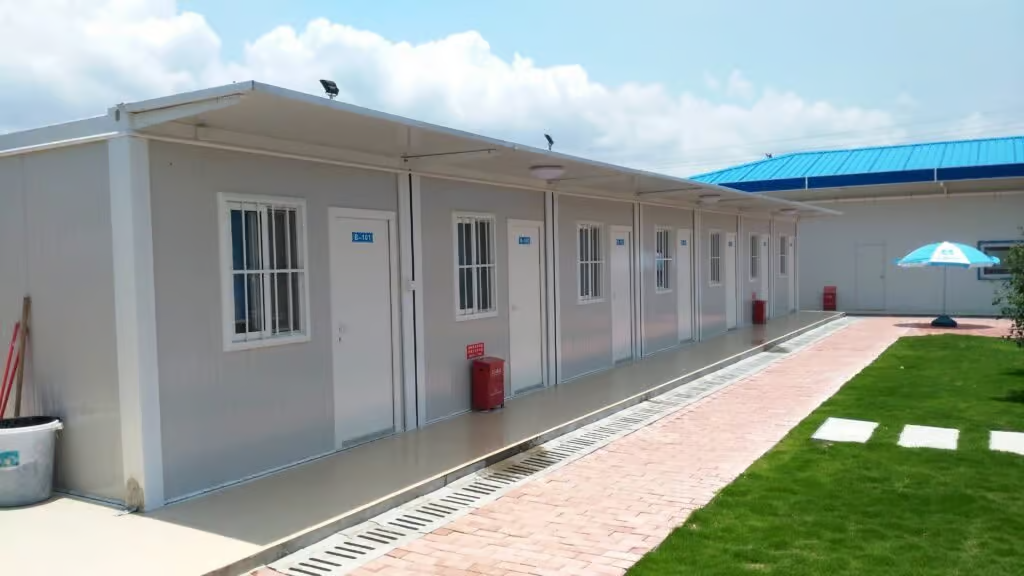
Container camps have emerged as a practical solution for industries, construction projects, and remote operations that require quick, safe, and durable accommodation. Built using shipping containers or prefabricated container units, these camps provide fully functional living and working spaces that can be deployed rapidly and relocated as needed. They are widely used in mining, oil & gas, construction, and exploration projects where permanent housing is not feasible.
This article will explore container camps, their benefits, applications, and essential considerations, highlighting why they are increasingly favored for temporary and remote workforce accommodation.
What Are Container Camps?
Container camps are modular accommodation facilities constructed from shipping containers or purpose-built container units. These camps can include sleeping quarters, dining areas, bathrooms, recreational spaces, and administrative offices, providing a complete living infrastructure in remote or temporary locations.
Key Features of Container Camps
- Modular and relocatable design
- Durable steel construction
- Quick installation and setup
- Insulated walls for climate control
- Integrated electrical, plumbing, and HVAC systems
Container Camps are designed to create a comfortable, safe, and operationally efficient environment for workers in challenging locations.
Advantages of Container Camps
Container camps offer several benefits that make them a preferred accommodation solution for industrial and remote operations.
1. Rapid Deployment
Container units can be transported and installed on-site quickly, ensuring immediate availability of living and working spaces.
2. Cost-Effective
Using modular containers reduces construction costs compared to traditional buildings.
3. Flexibility and Scalability
Camps can be expanded by adding additional container units, making them suitable for growing workforce requirements.
4. Durability
Constructed with steel frames and reinforced panels, container camps withstand harsh weather conditions and heavy use.
5. Mobility
Container camps can be relocated or reused at multiple sites, making them ideal for temporary projects or seasonal operations.
Applications of Container Camps
Container camps are highly versatile and are used in a variety of industries and scenarios.
Mining and Oil & Gas Operations
Provide living quarters, dining facilities, and offices for workers in remote locations.
Construction Projects
Offer safe and convenient on-site accommodation for engineers, supervisors, and laborers.
Remote Research and Exploration
Ideal for scientific and research teams working in isolated locations.
Emergency and Disaster Relief
Serve as temporary shelters and operational hubs during emergencies or natural disasters.
Types of Container Accommodation
Container camps can be tailored to suit different operational needs.
1. Sleeping Quarters
Dormitory-style or individual rooms with beds, storage, and climate control.
2. Dining and Kitchen Units
Fully functional kitchens and dining areas for meal preparation and staff convenience.
3. Office Units
Containers converted into administrative offices for on-site management.
4. Sanitation Units
Bathroom and shower facilities with proper plumbing and water supply.
5. Recreational Areas
Spaces for leisure, social interaction, and fitness activities.
Container Camps vs Traditional Accommodation
Container camps offer several advantages over conventional worker housing:
- Faster installation and operational readiness
- Lower construction and maintenance costs
- Modular design allows for expansion or reconfiguration
- Durable steel construction ensures long-term use
- Mobility for deployment at multiple sites
These benefits make container camps a practical choice for industries with temporary or remote workforce needs.
Design Considerations for Container Camps
Careful planning is essential to ensure that container camps meet operational, safety, and comfort requirements.
Space Planning
Optimize the layout for sleeping, dining, and work areas within the available container modules.
Climate Control
Insulation, ventilation, and HVAC systems help maintain a comfortable environment in extreme weather conditions.
Utilities Integration
Proper installation of electricity, plumbing, and sanitation ensures hygiene and convenience.
Safety and Security
Implement fire safety systems, secure access, and emergency protocols for personnel protection.
Maintenance and Longevity
Container camps are built for durability but require routine maintenance to remain fully functional and safe.
Maintenance Tips
- Inspect structural integrity and container joints
- Maintain electrical, plumbing, and HVAC systems
- Clean interiors and sanitation facilities regularly
- Check insulation, roofing, and ventilation systems
Routine maintenance ensures the camp continues to provide a safe, comfortable, and operational environment for workers.
FAQs
1. What is a container camp used for?
Container camps provide accommodation, dining, and administrative facilities for workers at remote or industrial sites.
2. Can container camps be relocated?
Yes, container camps are modular and designed for relocation to different sites as operational needs change.
3. Are container camps durable?
Yes, they are built with steel frames and reinforced panels, ensuring long-term durability and resistance to harsh environments.
Conclusion
Container camps are a versatile, efficient, and cost-effective solution for workforce accommodation in remote and industrial environments. Their modular design, quick deployment, and durability make them ideal for mining, construction, oil & gas, and emergency operations.
With customizable layouts, scalable modules, and integrated utilities, container camps ensure the comfort, safety, and productivity of personnel. As industries continue to operate in temporary and challenging locations, container camps remain a reliable and practical solution for workforce accommodation and operational efficiency.