Introduction
Knowing how to create a label is essential for businesses, laboratories, and personal projects that require organization, identification, and professional presentation. Labels provide important information, enhance branding, and ensure compliance with industry standards.
Creating an effective label involves careful planning, design, and material selection to ensure durability, readability, and functionality.
Key Steps to Create a Label
Step 1: Define the Purpose
Identify why you need the label. Is it for product packaging, inventory management, laboratory samples, or event organization? The purpose will guide your design, size, and material selection.
Step 2: Choose Label Material
Select a suitable material for your label based on its environment and use. Common materials include:
- Paper: Affordable and suitable for temporary labeling.
- Vinyl: Durable and resistant to water, ideal for outdoor use.
- Polyester/Polypropylene: Long-lasting and chemical-resistant, perfect for industrial and laboratory applications.
Step 3: Select Adhesive Type
Choose an adhesive that matches the application:
- Permanent: Stays on surfaces for long-term use.
- Removable: Can be peeled off without residue.
- Repositionable: Allows temporary placement and adjustment.
Step 4: Design the Label
Design a clear and visually appealing label using software or templates. Consider including:
- Text and essential information
- Logos and branding elements
- Barcodes or QR codes for tracking
- Color coding for organization
Step 5: Determine Label Size and Shape
Choose the right size and shape to fit the surface of the product, container, or item being labeled. Custom shapes can improve branding and visibility.
Step 6: Print the Label
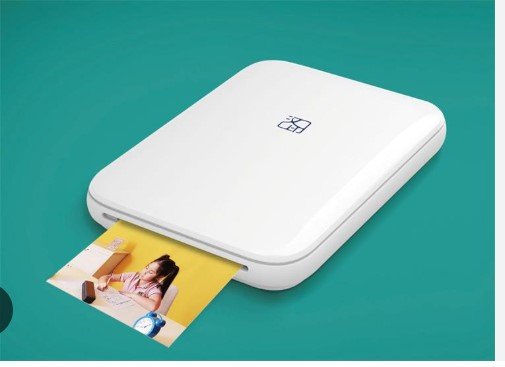
Use a suitable printer or labeling machine makeid m400a to produce high-quality, legible labels. Ensure proper alignment and test a sample before full production.
Step 7: Apply the Label
Clean the surface where the label will be applied for better adhesion. Carefully place the label to avoid wrinkles, air bubbles, or misalignment.
Applications
Product Packaging
Labels provide branding, instructions, and regulatory information on products.
Inventory Management
Labels help organize and track inventory in warehouses, offices, and stores.
Laboratory and Healthcare
Labels identify samples, reagents, and medical equipment for safety and traceability.
Events and Promotions
Labels can be used for giveaways, promotions, and event organization to improve visibility and presentation.
Advantages
- Professional appearance: Enhances branding and credibility.
- Improved organization: Simplifies tracking and identification.
- Durable and reliable: Can withstand environmental factors if proper materials are used.
- Customizable: Design, material, size, and adhesive can be tailored for any application.
- Compliance: Ensures labeling meets industry or regulatory standards.
Maintenance and Best Practices
- Store blank labels in a cool, dry environment.
- Clean surfaces before applying labels for better adhesion.
- Inspect and replace damaged or worn labels regularly.
- Keep digital design files for future reprints or updates.
- Use compatible printers and materials for optimal results.
Future Trends
Label creation is advancing with digital printing, smart labels, RFID integration, and eco-friendly materials. These innovations allow faster production, improved tracking, and environmentally responsible labeling solutions.
Conclusion
Knowing how to create a label is crucial for effective organization, branding, and compliance across industries. By following the right steps, selecting proper materials, and using modern printing solutions, labels can enhance visibility, improve workflow, and provide professional identification for products, equipment, or samples.
Frequently Asked Questions
What is the purpose of creating a label?
Labels are used for branding, identification, organization, and compliance across various applications.
Can labels be created on different materials?
Yes, labels can be printed on paper, vinyl, polyester, polypropylene, and other substrates depending on durability needs.
How do I ensure labels stick properly?
Clean the surface, choose the correct adhesive, and apply labels carefully to avoid air bubbles and wrinkles.
Can labels include barcodes or QR codes?
Absolutely, adding barcodes or QR codes allows for tracking, scanning, and inventory management.
Are there software solutions to create labels?
Yes, labeling software provides templates, design tools, and printer integration for professional results.