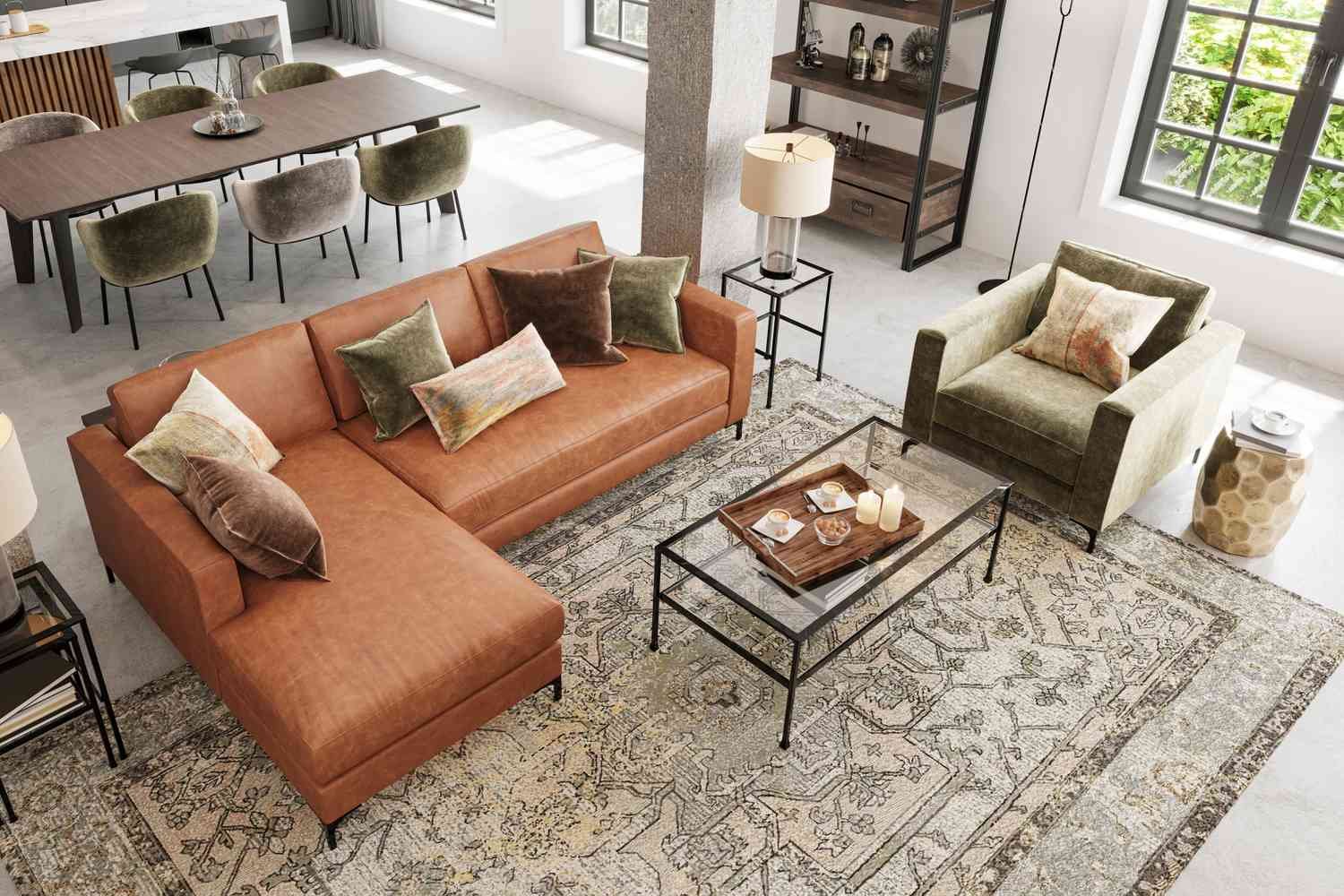
Is your room looking incomplete even after adding furniture and decor?
Many times, the problem is not the sofa, the bed, or the wall color. The real issue is the rug size. A rug that is too small or too large can change the whole look of a room. Even a beautiful rug will not look right if the size is wrong.
Choosing the correct rug size is not as hard as it seems. You just need to follow a few simple layout rules. When you understand how rugs should sit under furniture and how much space to leave around them, everything starts to make sense.
In this guide, you will learn the correct rug size for every room in your home. The rules are simple, practical, and easy to follow.
If you are ready to explore rugs in different sizes and layouts, you can browse the latest collection at Atlanta Designer Rugs and see how the right size transforms your space.
Why Rug Size Matters?
Many people focus on color and design first. While style is important, size should always come before design. Even the most beautiful rug will look wrong if the size does not match the room.
A properly sized rug can:
- Make a small room look larger
- Make a large room feel cozy
- Create clear zones in open spaces
- Help the furniture look balanced
- Add comfort under your feet
When the rug is too small, it can make furniture look like it is floating. When it is too large, it can hide too much flooring and make the room feel heavy. The goal is to find the middle ground.
Before buying any rug, measure your space. Always measure the seating area, not just the empty floor. Think about where your sofa, chairs, and tables sit. The rug should connect these pieces, not sit alone in the center.
Living Room Rug Sizes
The living room is where rug size matters the most. This space is usually the largest and most used area in the house. It is where family members gather, guests sit, and daily activities happen. Because so much happens here, the rug needs to be the right size to keep the space looking balanced and comfortable.
Rule 1: Front Legs on the Rug
One of the most common and safe layout rules is placing the front legs of your sofa and chairs on the rug. This works well for medium-sized rooms.
In this layout, the rug sits under the coffee table and extends enough to touch the front legs of all seating. It connects the furniture without needing a very large rug.
Common rug sizes for this layout:
- 5×8 feet for small living rooms
- 8×10 feet for medium spaces
Rule 2: All Furniture on the Rug
For larger living rooms, placing all furniture legs fully on the rug looks more elegant and balanced.
This layout needs a larger rug, often:
- 9×12 feet
- 10×14 feet
There should still be some visible floor around the edges of the room. Usually, leaving 8 to 12 inches of bare floor around the rug creates a clean border.
Rule 3: Small Rug Under Coffee Table Only
This is the most common mistake. A small rug placed only under the coffee table often looks disconnected from the rest of the furniture.
Unless you have a very compact seating area, avoid using rugs that are too small to anchor the sofa and chairs. A tiny rug can break the visual flow of the room and make the space feel unplanned. Choosing a slightly larger rug will help tie everything together and create a more finished look.
Bedroom Rug Sizes
The bedroom should feel soft and comfortable. A well-sized rug makes mornings and nights more pleasant. When you step out of bed, your feet should land on something warm instead of a cold floor. The right rug size also makes the bed area look balanced and neatly arranged.
Rug Under a Queen Bed
For a queen-size bed, common rug sizes are:
- 8×10 feet
- 9×12 feet
The rug should extend at least 18 to 24 inches beyond the sides and foot of the bed. This way, when you step out of bed, your feet land on the rug instead of the cold floor.
Rug Under a King Bed
For a king bed, go bigger:
- 9×12 feet is ideal
- 10×14 feet works in large bedrooms
A small rug under a king bed can look lost. Make sure the rug extends properly beyond the bed frame. The extra width on the sides helps the room look balanced and complete. It also adds more comfort when you walk around the bed.
Two Small Rugs Beside the Bed
If you do not want a large rug, you can place two runners or small rugs on each side of the bed. This works well in smaller bedrooms.
This layout gives comfort without covering the entire floor. It is also a budget-friendly option compared to buying one large rug. Make sure both rugs are the same size so the room looks neat and balanced. You can also choose simple designs to keep the bedroom calm and relaxing.
If you are decorating a smaller bedroom or compact space, you can also explore these layout ideas in the 15 Best Small Area Rugs guide to see practical size examples.
Dining Room Rug Sizes
Dining rooms follow one very important rule. The rug must be large enough for chairs to stay on it even when pulled out.
If the rug is too small, chair legs will catch on the edge. This not only looks odd but also feels uncomfortable. It can also damage the rug edges over time. A properly sized rug allows smooth movement and keeps the dining area looking neat and well-arranged.
Simple Dining Room Rule
Measure your dining table. Then add at least 24 inches on all sides. This extra space allows chairs to move freely.
For example:
- A table that is 6 feet long may need an 8×10 rug
- A larger table may require a 9×12 rug
The rug should be centered under the table and aligned with the shape of the table. A rectangular table looks best with a rectangular rug. A round table pairs well with a round rug.
Rug Sizes for Small Living Rooms
Small rooms need special attention. Many people think a small room needs a small rug. That is not always true.
In a compact living room, using a slightly larger rug can actually make the space look bigger. A rug that fits under the front legs of furniture creates a unified look.
If the rug is too tiny, it breaks the space and makes the room feel crowded. It can also make your furniture arrangement look random instead of planned.
Try to leave equal floor space on all sides. Balance is more important than exact measurements. Before buying, measure carefully and picture how the rug will sit with your sofa and table. A well-chosen size can make even a small room feel open and comfortable.
Rug Sizes for Large Open Spaces
Open floor plans are common in modern homes. In these spaces, rugs help define different areas.
For example, one rug can define the living area, while another defines the dining area. This helps separate spaces without using walls or dividers.
Make sure the rugs are large enough to anchor each zone. Do not use very small rugs in open spaces. They can make the room look scattered and unorganized. The furniture in each section should sit comfortably on the rug to create a clear layout.
Also, try to keep some visual balance. If one rug is very large and bold, the other should not be too small or too busy. Choosing rugs that share similar tones or patterns can help the entire space feel connected and harmonious.
Hallway and Entryway Rug Sizes
Hallways and entryways often use runners.
A runner should leave a few inches of floor visible on each side. It should not touch the walls. This small gap helps the space look neat and properly framed.
In an entryway, the rug should be large enough for people to step fully onto it when they enter. At the same time, it should not block the door from opening smoothly. It should sit flat and stay in place to avoid slipping.
Choose a size that fits the space without looking cramped. A well-sized runner can make even a narrow hallway feel longer, cleaner, and more welcoming.
Simple Layout Rules to Remember
Instead of memorizing many numbers, remember these simple rules. These guidelines make rug shopping easier and remove confusion.
First, rugs should anchor furniture, not float in the middle of the room. Furniture should feel connected and placed with purpose.
Second, leave some floor visible around the edges. This creates a frame effect and makes the room look clean and balanced.
Third, bigger is usually better than too small, especially in living rooms and bedrooms. A slightly larger rug often looks more intentional and complete.
Fourth, always measure before buying. Guessing often leads to mistakes and wasted money. Take a few minutes to check dimensions carefully.
These basic rules work for almost every room and help you choose a rug size with more confidence and clarity.
Common Rug Size Mistakes
One common mistake is choosing a rug based only on price. Smaller rugs are cheaper, so people buy them without thinking about layout. This can lead to a room that looks unfinished and poorly planned.
Another mistake is not measuring furniture placement. A rug may look large in the store but appear small at home. Store displays are often bigger, which can make rugs seem larger than they really are.
Some people also forget about scale. Large sofas need larger rugs. Big beds need wider coverage. The rug should match the size of the main furniture pieces in the room.
Taking a few extra minutes to measure your space can prevent these problems. Careful planning helps you avoid returns, extra costs, and disappointment after bringing the rug home.
How to Measure Your Space Correctly
Start by measuring the length and width of the room. Then measure your main furniture pieces. Write down the measurements so you do not forget them while shopping.
Use painter’s tape on the floor to outline the rug size you are considering. This simple trick helps you see how the rug will fit before you buy it. It also allows you to test different sizes without spending any money.
Walk around the taped area. Make sure doors can open freely. Check if the furniture will sit comfortably on the rug. Imagine daily movement in the room and see if the layout feels natural.
This method gives you a clear picture and reduces guesswork. It helps you feel confident about your decision and prevents costly mistakes later.
Choosing the Right Shape
Size is important, but shape also matters. The right shape can improve the overall layout and make the room feel more natural and balanced.
Rectangular rugs are the most common and work in most spaces. They fit well under sofas, beds, and dining tables, which is why they are a safe and popular choice.
Round rugs are great for round dining tables or small seating areas. They soften sharp corners in a room and can make compact spaces feel less rigid.
Square rugs can work well under square tables or in compact rooms. They create a clean and symmetrical look when paired with evenly arranged furniture.
Choose a shape that matches the layout of your furniture. When the rug shape follows the room’s structure, the entire space looks more thoughtful and well-arranged.
Final Thoughts on Rug Sizes
Rug sizes can feel confusing at first, but once you understand the basic layout rules, everything becomes easier.
The right rug size connects your furniture, defines your space, and makes your home feel balanced. It should not look too small or too overwhelming.
Measure your room carefully. Think about how your furniture is arranged. Follow simple spacing rules. When in doubt, choose a slightly larger size instead of a smaller one.
With the correct rug size in every room, your home will look more polished, more comfortable, and more thoughtfully designed.
If you are ready to choose the perfect rug size with confidence, explore the full collection at Atlanta Designer Rugs and find a rug that fits your room beautifully. The right size can completely transform your space.