The Problem Most Chicago Homeowners Ignore Until It’s Too Lat
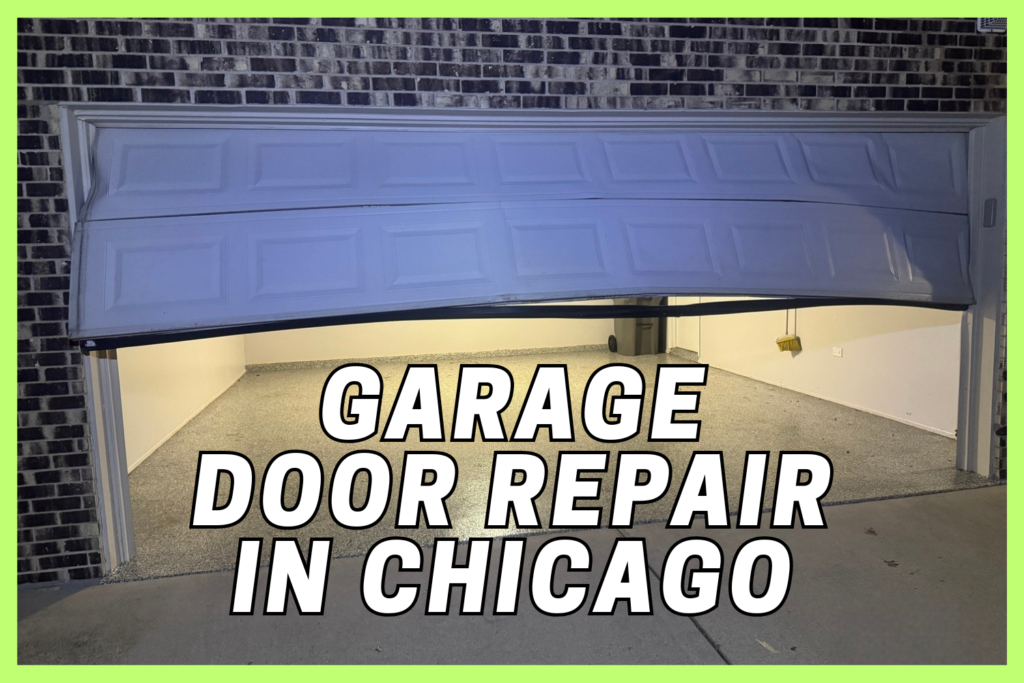
For many homeowners, the garage door is something you only notice when it stops working. It opens in the morning, closes at night and quietly handles hundreds of cycles every month. But in a city like Chicago where temperatures swing from freezing winters to humid summers, garage doors endure far more stress than most people realize.
A sudden breakdown isn’t just inconvenient. It can trap your car inside, leave your home exposed, or create a serious safety risk for your family. Because of that, knowing when repairs are needed and how to select a reliable professional matters far more than simply searching for the cheapest fix. Understanding what causes failures and who to trust when they happen helps homeowners avoid repeated repairs, unnecessary replacements and dangerous DIY mistakes.
Why Garage Doors Break More Often in Chicago Than You Think
Winter Is the Biggest Enemy of Moving Parts
Chicago winters place extreme mechanical stress on garage doors. Metal contracts in cold temperatures, lubrication thickens, and components become brittle. Springs lose flexibility, rollers stiffen, and openers must work harder to lift the same weight. This is why doors often fail during the coldest weeks of the year, not because they were installed incorrectly, but because cold weather exposes worn parts instantly.
Moisture, Rust & Road Salt Damage
Moisture doesn’t disappear when winter ends. Melting snow introduces water and road salt into tracks and hinges. Over time, corrosion weakens torsion springs, lift cables, bearings, and bottom brackets. Rust doesn’t just shorten lifespan; it increases the chance of sudden snapping.
Heavy Daily Usage in City Homes
Urban households typically operate garage doors far more frequently than suburban ones. Multiple drivers, deliveries, and attached garages increase cycle counts dramatically. A door rated for average usage may reach its wear limit years earlier in a busy household.

Warning Signs Your Garage Door Is About to Fail
Garage doors rarely stop working without warning. They show symptoms first, homeowners just don’t always recognize them. Watch for these signs:
- Grinding or screeching noises during movement
- Door jerks or shakes while opening
- Slow response after pressing the remote
- Door reverses before closing fully
- Uneven gaps on one side
- Loud snapping sound from the spring area
A snapped spring is especially serious. The door may weigh over 150 pounds, and the opener is not designed to safely lift it alone. When these signs appear, most homeowners search for professional services regarding garage door repair in Chicago to inspect the system before a complete failure occurs.
Should You Fix It Yourself or Call a Professional?
Many online tutorials make garage door repairs look simple. In reality, some parts are safe to check, while others can cause severe injury.
Safe Quick Checks You Can Do at Home
Homeowners can safely perform basic inspections:
- Replace remote batteries
- Clean photo-eye sensors
- Remove debris from tracks
- Check for visible obstructions
These solve minor operational issues but won’t fix mechanical wear.
Repairs That Are Actually Dangerous
Never attempt:
- Spring replacement
- Cable repair
- Track realignment
- Opener gear replacement
Garage door springs store extreme tension. Improper handling can release that energy instantly. The spring system counterbalances weight. Without proper tools and training, loosening a spring bolt can release hundreds of pounds of force. Every year, homeowners suffer serious injuries attempting this repair.
Because of the risks, property owners typically rely on experienced garage door technicians in Chicago, such as World of Doors, when structural components fail and safe handling is required.

How to Choose a Garage Door Company You Can Actually Trust in Chicago
Not all service providers offer the same reliability. Some are temporary lead-generation companies, while others are trained contractors. Choosing carefully prevents repeat failures.
- Check Local Experience, Not Just Advertising: Companies familiar with Chicago conditions understand winter performance requirements, insulated door needs, and high-cycle spring options. Experience in the local climate matters more than nationwide branding.
- Verify Insurance & Technician Certification: A legitimate contractor should provide liability insurance, worker protection coverage, and trained technicians. This protects both homeowner and property during service.
- Read Reviews the Right Way: Don’t only check ratings, read details. Look for patterns like punctual arrival, clear pricing, and lasting repairs. Consistent feedback indicates reliability.
- Ask About Parts Quality & Warranty: Cheap parts fail quickly. Ask whether they use high-cycle springs and offer warranties. A professional company prioritizes longevity, not temporary fixes.
- Look for Real Emergency Availability: A stuck garage door affects security and daily transportation. Reliable companies provide same-day or emergency service, not next-week appointments. When homeowners compare options, they typically search for a garage door company Chicago residents consistently trust for both urgent repairs and long-term maintenance.
Repair or Replace Your Entire Garage Door System? The Decision That Saves Homeowners Hundreds
Sometimes repairing repeatedly costs more than replacement.
- Repair makes sense if: The door is under 12 years old, damage is limited to one component, and the panels are structurally intact.
- Replacement makes sense if: You experience frequent breakdowns, rising repair costs, poor insulation, or visible warping or cracking.
The comparison below helps homeowners quickly decide which option is safer and more cost-effective.
| Situation | Garage Door Recommendation | Why It Matters | Cost Impact | Safety Level |
| Broken spring | Repair | Single component failure, door still structurally sound | Low to Medium | High risk if ignored |
| Snapped cable | Repair | Door can fall unevenly and damage panels | Medium | Dangerous to operate |
| Door off track | Repair (Urgent) | Can collapse if forced | Medium | High safety risk |
| Noisy operation | Maintenance / Minor repair | Usually lubrication or worn rollers | Low | Low risk |
| Opener not responding | Repair or replace opener | Electrical or motor wear | Low to Medium | Moderate risk |
| Panel dented | Repair or panel replacement | Cosmetic + insulation loss | Medium | Low risk |
| Multiple yearly breakdowns | Replace door | Parts reaching end of lifespan | High initially, saves later | Safe long term |
| Door older than 15 to 20 years | Replace | Efficiency & reliability decline | Higher upfront | Best safety |
| Severe rust or warping | Replace | Structural weakness | High | High risk if kept |
| Poor insulation in winter | Replace (upgrade) | Energy loss in cold climates | Saves energy cost | Improves comfort |
Simple Maintenance Tips That Prevent Emergency Repairs
Preventative care dramatically reduces breakdowns.
- Seasonal Lubrication: Apply garage-door-safe lubricant to hinges, rollers, and springs every 4 to 6 months.
- Sensor Cleaning: Dust and spider webs interfere with safety sensors, causing doors to reverse.
- Balance Testing: Disconnect opener and lift door halfway. If it falls or rises, spring tension is incorrect and needs professional adjustment.
- Weather Seal Inspection: Replace cracked bottom seals to keep out water and pests.
- Annual Professional Tune-Up: A yearly inspection catches worn components early, preventing sudden failure during extreme weather.
A Small Repair Today Prevents a Major Problem Tomorrow
Garage doors are the largest moving structure in most homes. Ignoring early symptoms often leads to expensive emergency replacements or safety hazards. Understanding warning signs, avoiding risky DIY repairs, and selecting a reputable professional ensures reliable operation year-round. A trusted technician doesn’t just fix the immediate problem. They extend the lifespan of the entire system. Being proactive keeps your home secure, your daily routine uninterrupted, and your repair costs predictable.
Frequently Asked Questions
How much does garage door repair usually cost in Chicago?
The cost of repair depends entirely on the specific issue and the parts required. Minor fixes like sensor alignment, track lubrication, or replacing basic rollers typically range from $100 to $200. Major repairs, such as replacing high-tension torsion springs or snapped cables, generally cost between $250 and $400. This is because these repairs require specialized safety equipment and heavy-duty, high-cycle parts rated to survive extreme Chicago winters.
How fast can a professional repair a garage door?
A reputable local company will stock their trucks with standard replacement parts, allowing them to complete most repairs in a single visit. For common emergencies like broken springs, snapped cables, or opener motor failures, a certified technician can usually diagnose the issue and have your door running smoothly within one to two hours of arriving at your home.
Is a broken spring dangerous?
Absolutely. Garage door springs act as a counterbalance and store immense kinetic energy. When a spring snaps, it releases enough force to cause severe injury or property damage. Furthermore, without the spring, the door is essentially dead weight, often exceeding 150 pounds. Attempting to lift the door or replace the spring without proper training and winding bars is highly dangerous and causes hundreds of homeowner injuries every year.
How long do garage doors last in cold climates?
In the harsh Chicago climate, a high-quality insulated steel door can last 15 to 25 years if properly maintained. However, the moving parts have shorter lifespans. Torsion springs usually last 10,000 to 15,000 cycles, which equates to about 7 to 10 years of average use. Garage door openers generally need replacement every 10 to 15 years as internal motor gears wear out and smart safety technology improves.
Why does my garage door stop working during winter?
Chicago’s extreme freeze-thaw cycles wreak havoc on mechanical systems. When temperatures plummet, the metal tracks, springs, and cables contract, making the entire system rigid. Standard grease hardens into a glue-like substance, forcing your opener motor to strain and overheat. Additionally, ice buildup at the bottom seal can freeze the door to the concrete floor, which can instantly strip the opener gears if you try to force it open.
Can I open my garage door manually during a power outage?
Yes, you can disconnect the door from the opener by pulling the red emergency release cord hanging from the trolley. However, you should only attempt this if the garage door springs are fully intact. If a spring is broken, pulling that cord will force you to manually lift the entire dead weight of the door. This can cause severe back injuries or cause the door to crash down unexpectedly.
How often should I service my garage door?
We highly recommend a professional tune-up once a year, ideally in the fall before the first deep freeze hits. A comprehensive annual service includes lubricating all moving parts with a weather-resistant spray, checking spring tension, inspecting cables for fraying, and testing the auto-reverse safety features. This proactive approach prevents costly emergency breakdowns in January.
When should I replace instead of repair my garage door?
You should consider replacement if your door is over 15 years old, lacks proper insulation, or requires mechanical repairs that cost more than half the price of a new system. Additionally, if the bottom panels are rusting, the door is visibly warped, or you notice a significant draft making your attached rooms freezing cold, upgrading to a modern insulated door will save you money on energy bills and future repairs.