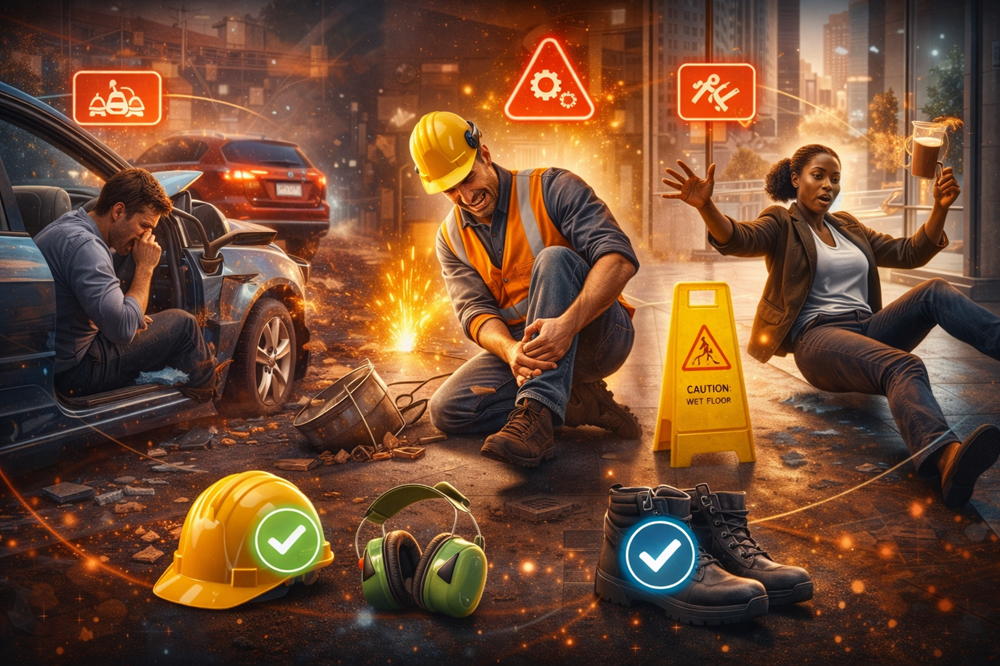
Personal injuries can happen in an instant, often when we least expect them. Whether on the road, at work, or in everyday environments, accidents can lead to physical, emotional, and financial challenges. While not every incident is preventable, understanding the most common causes of personal injury can help individuals take proactive steps to protect themselves. Awareness, preparation, and safe habits go a long way in reducing risk and promoting well‑being.
Motor Vehicle Accidents Remain a Leading Cause
Car, motorcycle, and pedestrian accidents continue to be among the most common sources of personal injury. Distracted driving, speeding, impaired driving, and failure to follow traffic laws all contribute to collisions that can result in serious harm. Even cautious drivers can be affected by the actions of others on the road. Staying alert, avoiding phone use, and maintaining safe distances can significantly reduce the likelihood of an accident. In situations where injuries occur due to another driver’s negligence, individuals often seek guidance from professionals such as a personal injury lawyer in Long Beach to understand their rights and options.
Slip‑and‑Fall Incidents Occur in Everyday Settings
Slip‑and‑fall accidents are surprisingly common and can happen anywhere—grocery stores, workplaces, sidewalks, or even private homes. Wet floors, uneven surfaces, poor lighting, and cluttered walkways are frequent contributors. These incidents can lead to injuries ranging from sprains to fractures or head trauma. To stay safe, individuals should pay attention to their surroundings, wear appropriate footwear, and report hazardous conditions when they see them. Property owners and businesses also play a role by maintaining safe environments and addressing risks promptly.
Workplace Injuries Affect Employees Across Industries
Workplace injuries are not limited to physically demanding jobs. While construction, manufacturing, and warehouse environments carry higher risks, office workers can also experience injuries from repetitive strain, poor ergonomics, or slips and falls. Common workplace hazards include heavy lifting, machinery accidents, chemical exposure, and inadequate safety protocols. Employees can reduce risk by following safety guidelines, using protective equipment, and participating in training programs. Employers, in turn, must prioritize safety culture, conduct regular inspections, and ensure compliance with occupational safety standards.
Medical Errors and Negligence Can Lead to Serious Harm
Medical professionals work hard to provide quality care, but mistakes can still happen. Misdiagnosis, medication errors, surgical complications, and improper treatment can result in significant injuries or long‑term health issues. Patients can advocate for their safety by asking questions, confirming medications, and seeking second opinions when necessary. Healthcare facilities can reduce risks by implementing strict protocols, improving communication among staff, and using technology to support accurate diagnoses and treatment plans. While not all medical complications are preventable, informed patients and diligent providers can help minimize the likelihood of errors.
Product Defects Pose Hidden Dangers
Defective products—from household appliances to children’s toys to automotive parts—can cause unexpected injuries. These defects may stem from design flaws, manufacturing errors, or inadequate safety warnings. Consumers can protect themselves by following usage instructions, registering products for recall notifications, and reporting issues to manufacturers. Companies have a responsibility to test products thoroughly, provide clear warnings, and take swift action when defects are discovered. Staying informed about recalls and safety alerts can also help individuals avoid preventable harm.
Conclusion
Personal injuries can arise from a wide range of situations, but understanding the most common causes empowers individuals to take meaningful steps toward safety. By staying alert on the road, being mindful of environmental hazards, following workplace safety practices, advocating for proper medical care, and staying informed about product risks, people can reduce their chances of injury. While accidents may still occur, awareness and proactive habits help create safer environments for everyone.