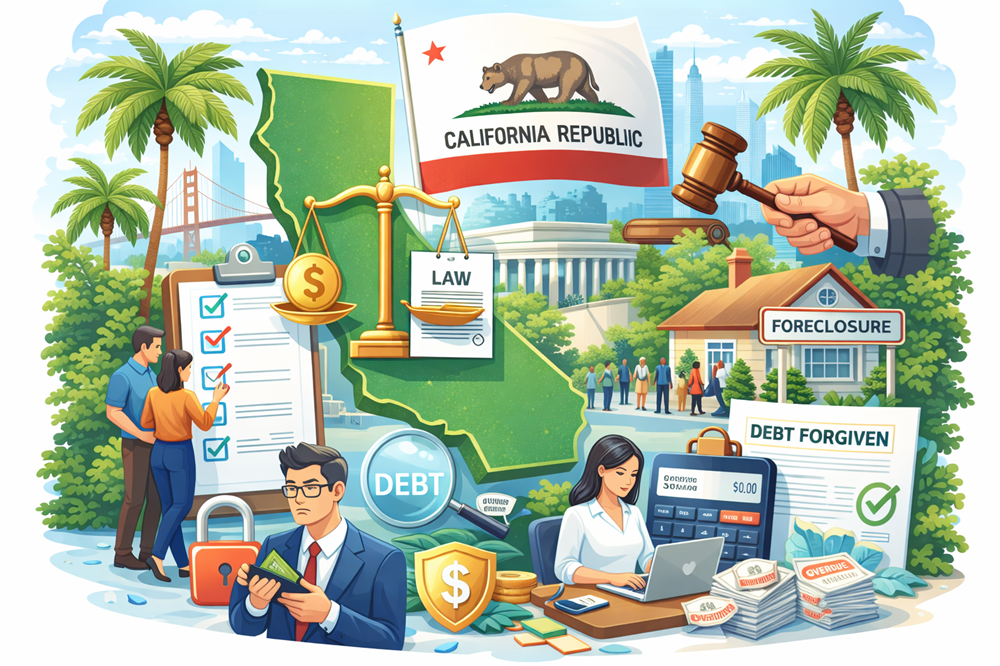
California has a reputation for setting trends, and consumer protection rules are no exception. For people dealing with debt, the state’s regulatory environment quietly shapes what happens next, often without borrowers realizing it. These rules influence timelines, reporting, communication, and even how much pressure consumers feel along the way.
From this angle, debt outcomes in California are not just about personal choices or income levels. They are also about how state specific laws interact with everyday financial realities. Many residents eventually look into options like debt settlement California after discovering that the rules governing creditors and collectors play a meaningful role in what is possible.
Understanding these consumer rules does not require legal expertise. It simply requires awareness of how protections, disclosures, and enforcement standards affect the debt experience from start to finish.
Why California Takes a Different Approach
California consumer law is designed with an emphasis on transparency and fairness. The state has historically taken a more active role in regulating financial services than many others. This approach reflects the size and diversity of its population, along with the high cost of living that often magnifies financial stress.
Rather than focusing only on punishment after violations occur, California rules aim to shape behavior upfront. Creditors and collectors operating in the state must follow specific standards that influence how accounts are managed and how consumers are treated.
Licensing and Oversight Set the Ground Rules
One major factor shaping debt outcomes is licensing. Many financial service providers must be licensed to operate legally in California. This creates accountability and gives regulators leverage to enforce compliance.
Oversight is handled by state agencies that monitor practices and respond to complaints. The California Department of Financial Protection and Innovation outlines consumer protections and enforcement priorities. This oversight affects how aggressively debts are pursued and how disputes are handled.
For consumers, this means there are clearer channels for recourse when something feels wrong.
Disclosure Requirements Influence Expectations
California places strong emphasis on disclosure. Consumers are entitled to clear information about balances, fees, and rights. These requirements influence how debt is communicated and how decisions are made.
When disclosures are clear, expectations shift. Borrowers are less likely to be surprised by sudden changes or hidden terms. This clarity can reduce panic driven decisions and encourage more informed responses to debt challenges.
Communication Rules Reduce Pressure Tactics
Another area where California stands out is communication standards. Rules govern when and how collectors can contact consumers. These limits reduce harassment and create boundaries that protect mental well being.
While debt does not disappear because of these rules, the experience of dealing with it changes. Less pressure means more space to evaluate options and respond thoughtfully rather than reactively.
This environment often leads to different outcomes than in states with fewer communication restrictions.
Statutes of Limitation Shape Long Term Outcomes
Time matters in debt, and California statutes of limitation play a role in shaping outcomes. These laws limit how long creditors can take legal action to collect certain types of debt.
Knowing that there are legal time frames influences both sides. Creditors adjust strategies, and consumers gain clarity about long term exposure. While these rules do not erase debt, they affect how it is enforced and resolved over time.
Credit Reporting Protections Add Another Layer
California consumer rules also intersect with federal credit reporting standards. State level protections reinforce accuracy and dispute rights, giving consumers tools to correct errors.
The Consumer Financial Protection Bureau provides guidance on credit reporting rights. In California, these rights are supported by a regulatory culture that encourages accountability.
Accurate reporting influences access to housing, employment, and future credit, making this an important part of overall debt outcomes.
How Enforcement Changes Behavior
Strong rules matter most when they are enforced. California has invested in enforcement actions that send signals to the market. When companies know that violations carry consequences, practices change.
This enforcement environment does not eliminate debt challenges, but it does influence how companies design processes and interact with consumers. Over time, this shapes the overall experience of debt in the state.
Why Outcomes Still Vary Widely
Even with strong consumer rules, outcomes are not uniform. Income, debt type, and timing still matter. California protections create a framework, not a guarantee.
Two people with similar debts may have different experiences based on circumstances. The key difference is that California’s rules provide guardrails that limit extremes and promote consistency.
The Cost of Living Factor Cannot Be Ignored
High housing, transportation, and healthcare costs in California add pressure that interacts with these rules. Consumer protections help manage the process, but they do not change the underlying cost structure.
This is why debt outcomes in California reflect both regulation and environment. Rules shape how debt is handled. Costs shape why debt exists in the first place.
Why Awareness Changes the Experience
Understanding California consumer rules empowers consumers. Awareness reduces fear and increases confidence. When people know what is allowed, what is required, and where to turn, decisions become less stressful.
This knowledge does not make debt easy, but it makes it navigable. It shifts the experience from confusion to clarity.
A System That Shapes the Path Forward
California consumer rules quietly influence every stage of the debt journey. Licensing, disclosure, communication limits, and enforcement all shape outcomes in ways many people never notice.
Recognizing this framework provides context. Debt outcomes are not random. They are shaped by a system designed to balance enforcement with protection. For California consumers, understanding that system is a powerful step toward making informed financial choices.