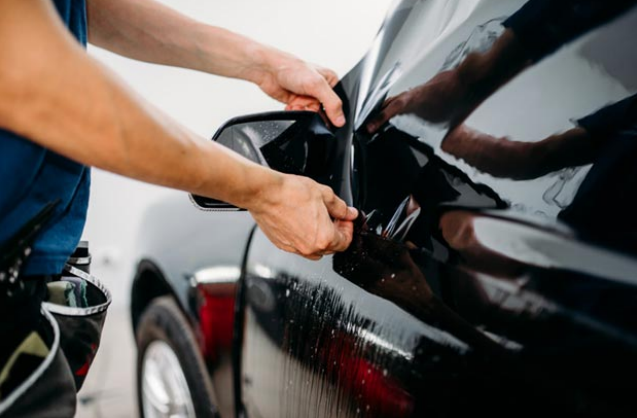
Understanding window tint regulations in Oklahoma is essential for every vehicle owner who wants to enhance comfort, reduce heat, and maintain full legal compliance. Window tinting offers undeniable benefits, including UV protection, interior preservation, glare reduction, and improved driving visibility. However, Oklahoma law enforces specific rules regarding tint darkness, reflectivity, placement, and safety compliance. We provide a comprehensive and authoritative guide to ensure drivers remain compliant while enjoying the full advantages of tinted windows.
Overview of Oklahoma Window Tint Laws
Oklahoma regulates vehicle window tinting through clear and enforceable standards designed to balance driver comfort with public safety. These laws define how dark or reflective window tint can be, where tint may be applied, and how compliance is evaluated during traffic stops. Failure to meet these requirements may result in citations, fines, or mandatory tint removal.
By understanding the legal thresholds, vehicle owners can make informed decisions and avoid unnecessary penalties.
Understanding Visible Light Transmission (VLT%)
At the core of window tint regulations in Oklahoma is Visible Light Transmission (VLT%), which measures the percentage of visible light allowed to pass through the window and tint film combined. A higher VLT% means lighter tint, while a lower percentage indicates darker tint.
Oklahoma law specifies minimum VLT requirements for certain windows to ensure sufficient visibility for drivers and law enforcement.
Legal Tint Darkness Limits in Oklahoma
Windshield Tint Regulations
- Oklahoma allows a non-reflective tint above the manufacturer’s AS-1 line.
- The AS-1 line is typically a strip approximately five inches from the top of the windshield.
- Tint below this line is not permitted, ensuring an unobstructed view of the road.
Front Side Window Tint Rules
- Front side windows must allow more than 25% of visible light to pass through.
- This means the tint must have a VLT greater than 25%.
- These limits maintain visibility during daylight and nighttime driving conditions.
Back Side and Rear Window Tint Standards
- Back side windows and the rear window offer greater flexibility.
- Oklahoma allows any level of darkness, provided the tint permits at least 10% light transmission.
- This allows for privacy and heat reduction while preserving basic visibility.
Reflectivity Limits for Window Tint in Oklahoma
Reflective window tint can reduce glare but may create safety concerns if excessively mirrored. Oklahoma law restricts reflectivity to prevent distractions and ensure visibility.
- Front side windows may not exceed 25% reflectivity.
- Back side windows and rear windows follow the same 25% reflectivity limit.
- Mirrored or metallic tints that produce a highly reflective appearance are prohibited.
These restrictions help maintain safe interactions between drivers, pedestrians, and law enforcement officers.
Window Tint Color Restrictions
While Oklahoma does not enforce a strict list of prohibited tint colors, caution is required. Certain colors may impair visibility or cause confusion on public roadways.
- Red and amber tints are strongly discouraged, as they may resemble emergency vehicle lighting.
- Neutral shades such as gray, charcoal, or smoke are widely accepted and commonly used.
- Using conservative tint colors minimizes the risk of being stopped for inspection.
Certification and Compliance Responsibilities
Tint Film Certification
- Oklahoma does not require manufacturers to certify tint films.
- Compliance responsibility rests entirely with the vehicle owner.
- Selecting a professional installer familiar with state regulations is strongly advised.
Sticker and Labeling Requirements
- Oklahoma vehicles are not required to display compliance stickers.
- Law enforcement officers may still assess tint compliance using light meters during traffic stops.
- Proper documentation from installers can be helpful if compliance is questioned.
Medical Exemptions and Special Considerations
Oklahoma allows medical exemptions for individuals with documented conditions that require additional UV protection.
- A licensed physician’s recommendation is required.
- Exempt vehicles may legally exceed standard tint darkness limits.
- Documentation should always be kept in the vehicle to avoid citations.
Medical exemptions provide critical protection while maintaining transparency and lawful operation.
Penalties for Illegal Window Tint in Oklahoma
Failure to comply with window tint regulations in Oklahoma can result in:
- Traffic citations
- Monetary fines
- Mandatory tint removal
- Vehicle inspection orders
Repeated violations may increase penalties, making compliance the most cost-effective and practical option.
Why Compliance with Window Tint Laws Matters
Window tint laws exist to protect everyone on the road. Proper visibility ensures:
- Safer lane changes and turns
- Reduced accident risks during low-light conditions
- Clear communication between drivers and law enforcement
Legal tint enhances comfort without compromising safety or accountability.
Legal Support and Community Commitment Across Oklahoma
We understand that vehicle-related compliance issues often intersect with broader legal concerns. Our commitment to safety and accountability extends across Oklahoma communities, including Oklahoma City, Edmond, Norman, Moore, Tulsa, Broken Arrow, Lawton, Enid, Stillwater, Muskogee, Shawnee, Bartlesville, Yukon, Bixby, Jenks, Duncan, Owasso, Del City, Midwest City, Ardmore, Ponca City, and Bethany.
We believe in holding insurance companies accountable and prioritizing people over corporations. By promoting safety standards and legal awareness, we contribute to preventing needless tragedies and fostering safer roadways for all.
Choosing the Right Tint Installer in Oklahoma
Selecting a professional installer ensures:
- Accurate VLT measurement
- Proper placement within legal boundaries
- High-quality materials that resist fading and peeling
Experienced installers understand Oklahoma’s regulations and help vehicle owners achieve both compliance and performance.
Conclusion
Adhering to window tint regulations in Oklahoma allows drivers to enjoy enhanced comfort, privacy, and vehicle aesthetics without legal risk. Understanding VLT percentages, reflectivity limits, placement rules, and compliance responsibilities empowers vehicle owners to make confident decisions. By following state guidelines and working with knowledgeable professionals, we ensure safety, accountability, and peace of mind on Oklahoma roads.