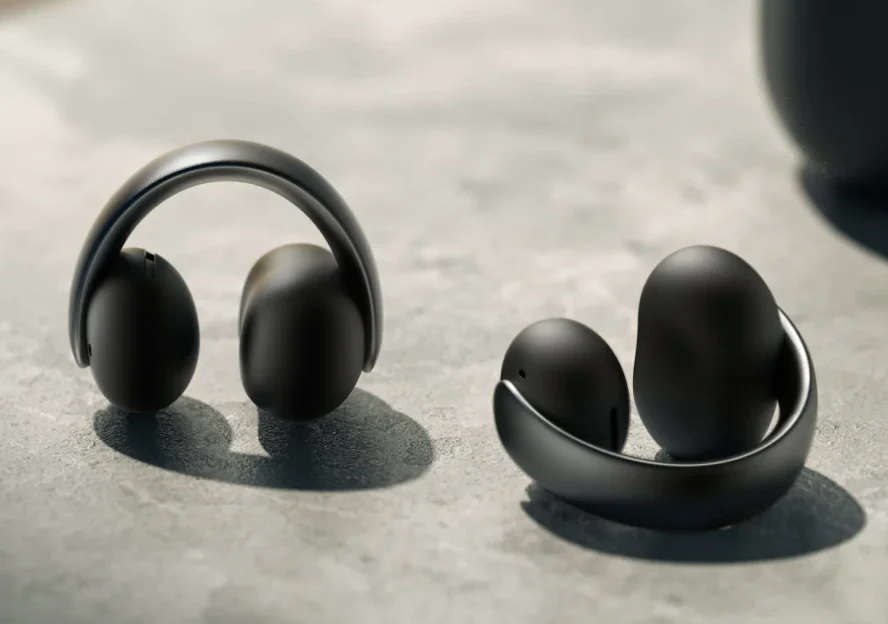
Let’s be honest — wearing headphones for hours can be uncomfortable, isolating, or even risky if you’re outdoors. This is where open ear headphones come in. They’re slowly taking over as a favorite choice for people who want great sound without losing touch with the world around them. Whether you’re jogging in the park, commuting in the city, or working from home, these headphones offer a unique combination of comfort, safety, and practicality.
In this guide, we’ll explore the benefits of open ear headphones, what features matter most, and how to choose the right pair for your lifestyle. By the end, you’ll understand why these are not just another gadget — they’re a smarter way to enjoy audio every day.
1. What Makes Open Ear Headphones Different?
If you’ve only used regular earbuds or over-ear headphones, you might be wondering what makes open ear headphones special. The main difference is simple: they don’t block your ears completely.
There are two main types:
- Air-conduction models – These rest just outside your ear canal, sending sound in without covering your ears. They’re lightweight and often very comfortable.
- Bone-conduction models – These are a bit different. They sit on your cheekbones or near your temples and use vibrations to transmit sound directly to your inner ear. It sounds unusual at first, but it works surprisingly well — especially for people who want to keep their ears open for safety.
In short, these headphones allow you to enjoy music or calls while still being aware of your environment. That’s a big deal if you walk, bike, or run outdoors.
2. The Benefits You’ll Actually Notice
2.1 Comfort That Lasts All Day
Let’s face it — traditional earbuds can hurt after a while. Over-ear headphones can get hot or heavy. Open ear headphones avoid both problems. They rest lightly on your ears or head, letting your ears breathe. You can wear them for hours without discomfort, which is perfect for long workdays, study sessions, or even multi-hour commutes.
Personally, I’ve tried some for a 3-hour train ride, and I didn’t even notice they were on. That’s the kind of comfort these headphones are known for.
2.2 Staying Safe Without Compromising Sound
One of the biggest advantages is safety. Because your ears aren’t fully covered, you can still hear the world around you. Imagine jogging in the park while listening to music. You can enjoy your favorite songs and still hear someone calling your name or a car approaching.
This situational awareness is something regular earbuds or over-ear noise-cancelling headphones simply don’t offer. For outdoor enthusiasts, commuters, or parents keeping an eye on kids, this is a lifesaver.
2.3 Healthy Ears Over Time
Wearing traditional earbuds constantly can trap moisture, wax, or bacteria, leading to discomfort or even minor ear infections. Open ear headphones sidestep this problem because nothing goes inside your ear canal. Your ears get airflow while still letting you enjoy clear sound.
It’s a small thing, but over time, it makes a huge difference for anyone using headphones daily.
2.4 Sound That Feels Natural
Another interesting benefit is how the audio feels. Unlike earbuds that sit right in your ears, open ear designs produce a more “natural” sound. Music doesn’t feel like it’s trapped inside your head; it blends with the environment.
While they might not give the deep, thumping bass of closed headphones, the clarity and balance make them perfect for podcasts, audiobooks, and casual music listening. It’s a different experience — more like a speaker near your ears than something isolating.
3. Features You Should Look For
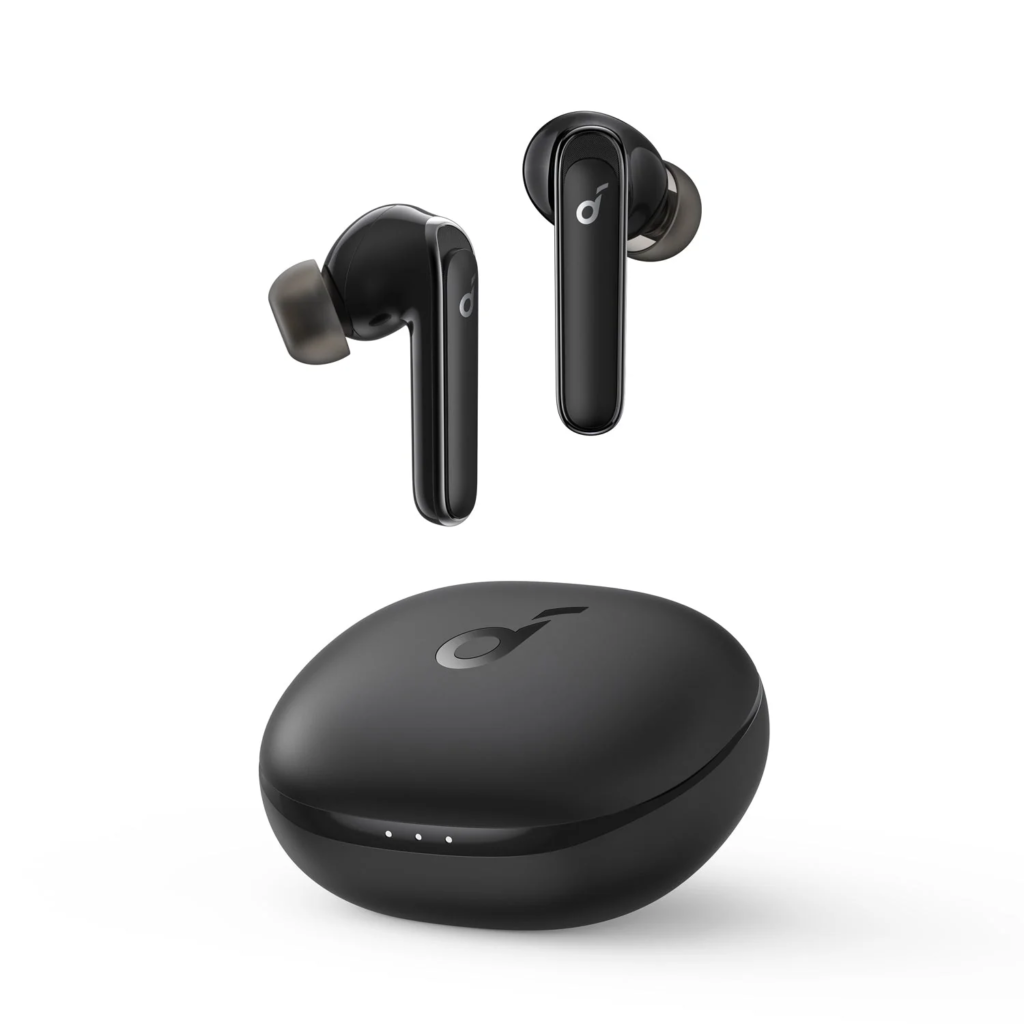
Not all open ear headphones are created equal. Here’s what to focus on when buying:
3.1 Fit and Comfort
Check for lightweight, flexible designs. Ear hooks, headbands, or wrap-around frames help the headphones stay in place, especially during activity. You don’t want them bouncing or slipping if you run, bike, or move around a lot.
3.2 Sound Quality
Even if you don’t need heavy bass, clarity matters. Look for models with crisp mids and highs. Some newer open ear headphones have enhanced bass drivers for fuller sound without blocking your ears.
3.3 Battery Life and Connectivity
Most open ear headphones today are wireless. Make sure you get at least 8–10 hours of playback, stable Bluetooth connection (5.2 or above is best), and multipoint pairing if you switch between devices often.
3.4 Durability and Water Resistance
If you plan to use them while running or commuting, look for water and sweat resistance. Many have IPX4 ratings or higher. Durable construction is important too — you don’t want them breaking if dropped or tossed in a bag.
4. Everyday Scenarios Where They Shine
Open ear headphones aren’t just for sports. Here are some everyday scenarios where they’re useful:
- Jogging or cycling: Enjoy music but stay aware of traffic.
- Commuting: Listen without missing announcements or warnings.
- Working from home: Take calls and still hear your kids or doorbell.
- Office or study: Keep audio personal while not losing touch with surroundings.
Basically, they’re versatile and perfect for multitasking in real life.
5. How to Choose the Right Pair
Here’s a simple checklist:
- Think about your daily routine – Are you outdoors a lot, or mostly at home?
- Decide your audio preference – Natural clarity or slightly stronger bass?
- Battery & connectivity – Long battery life and stable Bluetooth are essential.
- Comfort & fit – Lightweight, secure, and easy to wear for hours.
- Durability – Water or sweat resistance if needed.
Once you’ve gone through these points, narrowing down to a few models becomes much easier.
6. Final Thoughts
Open ear headphones in 2026 are more than a trend — they’re a practical solution for anyone who wants great sound without compromising safety, comfort, or ear health. Whether you’re commuting, exercising, working, or just relaxing, these headphones let you stay connected to both your audio and your environment.
If you’re considering an upgrade, explore options for open ear headphones that match your lifestyle and priorities. They’re not just headphones — they’re a smarter, safer, and more comfortable way to enjoy audio every day.