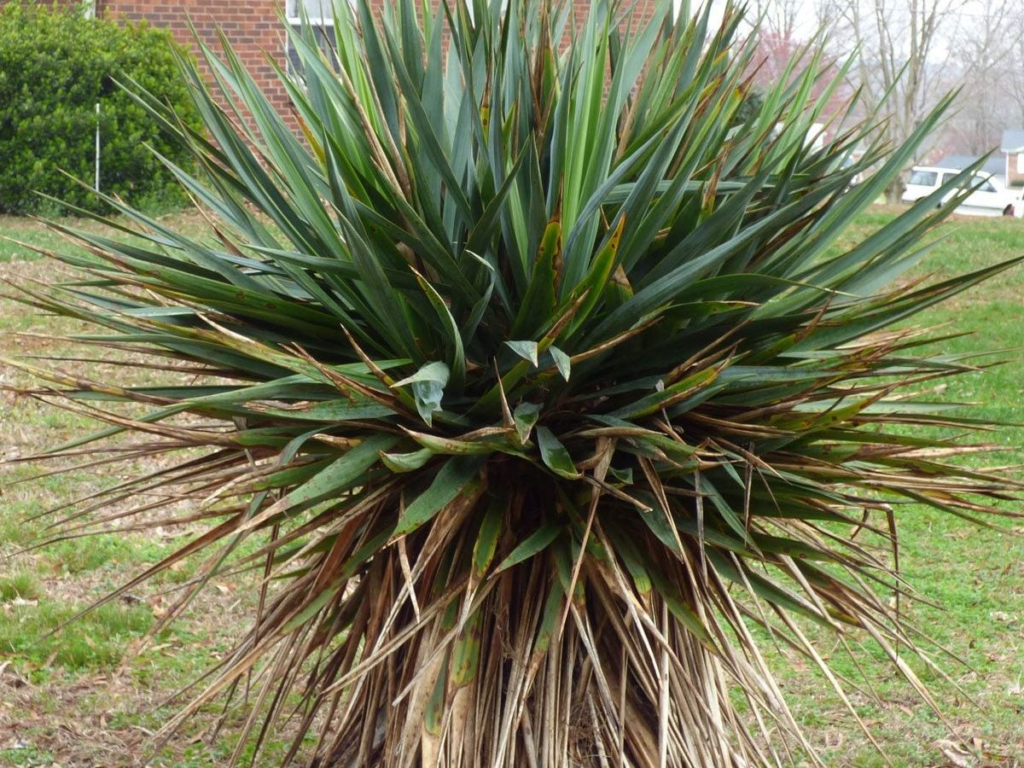
Yucca plants are known for being tough, drought-tolerant, and low-maintenance. So when a yucca plant starts turning yellow, drooping, or collapsing, it often confuses homeowners. The truth is: yuccas don’t die easily, which means when they do decline, something is seriously wrong.
Below are 10 proven reasons why yucca plants die, based on real garden and removal cases, along with what you can do about each one.
1. Overwatering (The #1 Yucca Killer)
Overwatering is the most common reason a yucca plant is dying.
Yucca plants are desert-adapted and store water in their roots and trunk. Too much water causes:
- Root suffocation
- Fungal growth
- Root rot
Signs:
- Yellow or soft leaves
- Mushy trunk base
- Foul smell from soil
Fix:
- Stop watering immediately
- Improve drainage
- In severe cases, removal may be the only option
2. Root Rot from Poor Drainage
Even if you don’t water often, poor drainage can kill yucca.
Clay soils, compacted ground, or pots without drainage holes trap moisture around roots, leading to rot.
Signs:
- Plant leaning or collapsing
- Sudden leaf drop
- Blackened roots
Once root rot sets in, yucca rarely recovers. Many homeowners then start researching how to kill yucca plants simply because revival isn’t possible.
3. Underwatering and Extreme Drought Stress
Although yucca is drought-tolerant, complete neglect can still kill it—especially young plants.
Signs:
- Dry, brittle leaves
- Leaf curl or browning tips
- Slow or no new growth
Fix:
- Deep but infrequent watering
- Water only when soil is fully dry
4. Yucca Root System Damage
Yucca plants rely on a strong underground root system. If roots are:
- Cut during landscaping
- Damaged by construction
- Compacted by vehicles
The plant may slowly die over months.
This is common in Australian gardens where yucca roots spread wide and shallow before diving deep.
5. Soil That Is Too Rich or Fertilised
Yucca does not like nutrient-rich soil. Excess fertiliser causes:
- Leaf burn
- Salt buildup
- Root stress
Signs:
- Brown leaf tips
- Sudden yellowing after fertilising
Fix:
- Stop fertilising
- Flush soil with water (if drainage allows)
6. Cold Shock or Frost Damage
Yucca tolerates heat well but can suffer in unexpected cold snaps, especially in southern Australia.
Signs:
- Blackened leaf tips
- Soft, collapsing leaves
- Delayed death weeks after frost
Cold damage often weakens the plant enough that rot or pests finish it off.
7. Pest Infestations (Often Missed)
Yucca can be attacked by:
- Scale insects
- Mealybugs
- Spider mites
These pests drain sap and weaken the plant.
Signs:
- Sticky residue
- White cottony patches
- Speckled or dull leaves
Severe infestations can kill yucca slowly.
8. Trunk or Crown Damage
The central growing point (crown) is vital. Damage from:
- Lawn equipment
- Pruning mistakes
- Falling branches
can permanently stop growth.
If the crown rots or cracks, the yucca usually cannot recover.
9. Yucca Is Root-Bound or Crowded
Potted or tightly planted yucca can decline due to:
- Lack of space
- Poor airflow
- Nutrient imbalance
Signs:
- Stunted growth
- Roots circling pot
- Frequent drying or waterlogging
Repotting helps only in early stages.
10. Natural Decline or Stress-Triggered Death
Sometimes yucca dies due to combined stress factors:
- Old age
- Repeated pruning
- Environmental changes
- Root disturbance
At this stage, homeowners often stop trying to save it and instead look into Yucca Removal Melbourne options to prevent regrowth and safety risks.
When a Dying Yucca Becomes a Safety Issue
A dying yucca can be more dangerous than a healthy one:
- Leaves become brittle and sharp
- Unstable trunks can fall
- Regrowth spikes appear unexpectedly
This is especially risky around children, pets, and walkways.
Many people researching dying yucca also ask whether it’s safe, covered in guides like is yucca poisonous to humans and are yuccas poisonous to animals.
Can a Dying Yucca Be Saved?
Sometimes, yes — if:
- Roots are still firm
- Trunk is solid
- No advanced rot is present
Often, no — if:
- Roots are mushy
- Trunk is soft
- Multiple shoots are failing
In these cases, removal is more practical than revival.
Why Removing a Dying Yucca Is Often the Best Option
A dying yucca rarely dies completely on its own. Instead, it:
- Sends up new shoots
- Regrows from roots
- Continues causing problems
That’s why many homeowners choose professional Yucca Removal Melbourne, which targets the root system and prevents regrowth.
Final Thoughts: Why Your Yucca Is Dying
Yucca plants die mainly due to:
- Overwatering
- Root rot
- Poor drainage
- Root damage
- Environmental stress
Because yucca is so resilient, visible decline usually means serious underground issues. Once roots are compromised, recovery is unlikely. If your yucca keeps declining or regrowing unpredictably, permanent removal—not ongoing treatment—is often the safest and most cost-effective solution.