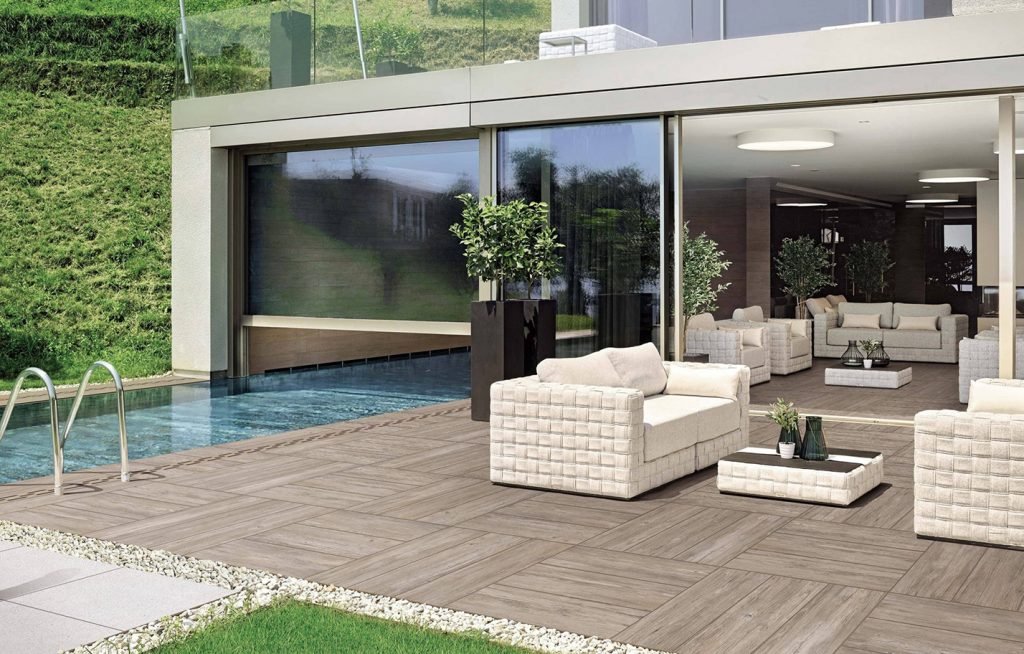
Melbourne’s weather is famously unpredictable, swinging from scorching 40-degree days to sudden cold snaps and heavy rain, sometimes within the same week. This creates unique challenges for outdoor tiles melbourne homeowners need to consider carefully. The right choice means tiles that won’t crack under thermal stress, stay safe when wet, and actually look good year after year despite UV exposure and temperature extremes. Getting this wrong costs thousands in replacements and creates genuine safety hazards around pools and entertaining areas.
Understanding Melbourne’s Thermal Cycling Problem
Here’s what most people don’t realize: Melbourne experiences around 100 freeze-thaw cycles annually in some suburbs. That’s huge. When water seeps into porous tiles, freezes overnight, then thaws the next day, it expands and contracts repeatedly. Over time, this literally tears tiles apart from the inside. You need tiles with a water absorption rate below 0.5% to handle this properly. Porcelain and dense natural stones work. Cheap ceramics? They’ll be cracked within two winters.
The temperature swings are equally brutal. A black tile in full sun can hit 70 degrees, then drop to 5 degrees overnight during autumn. That’s 65 degrees of expansion and contraction in 12 hours. Materials handle this differently, and it’s why some driveways look perfect after five years while others are a patchwork of replaced sections.
Slip Resistance Isn’t Optional Here
Melbourne gets proper rain, not just drizzle. We’re talking 600mm annually with some areas pushing 1000mm. When those tiles around your pool or deck get wet, they need an R11 slip rating minimum, though honestly R12 is better if you’ve got kids or elderly family visiting. The Australian Standards AS 4586 testing shows that textured porcelain consistently outperforms polished natural stone in wet conditions, which surprises people who assume granite is always superior.
I’ve seen too many outdoor areas with beautiful smooth tiles that become ice rinks the moment it rains. Not worth it. The slight texture you need for safety barely affects the aesthetic anyway.
UV Stability Matters More Than You’d Think
Melbourne’s UV index hits extreme levels (11+) regularly in summer. Cheaper tiles, especially those with surface-applied colors, fade noticeably within 18 months. Through-body porcelain, where the color runs all the way through, maintains its appearance because there’s nothing to fade. Natural stone varies wildly here. Bluestone holds up brilliantly, but some sandstones bleach out and look washed out after just one harsh summer.
Check if tiles are rated for outdoor UV exposure specifically. Indoor tiles used outside often develop a chalky, faded appearance that makes your whole space look neglected.