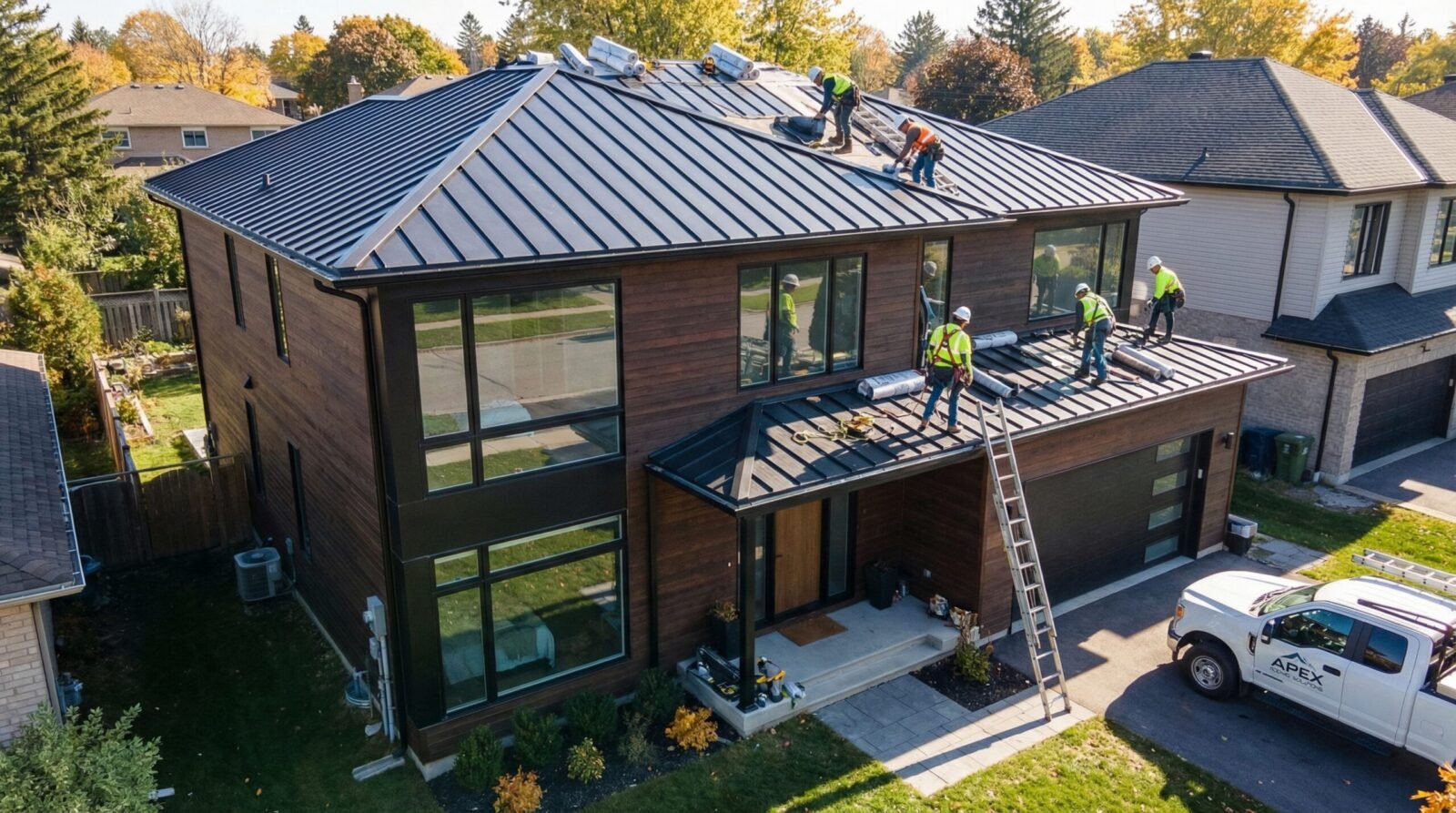
When it comes to maintaining the longevity and integrity of your home, one of the most important factors that homeowners often overlook is roof ventilation. In Lee’s Summit, where the weather can shift drastically between the hot, humid summers and cold winters, proper ventilation is key to protecting your roof and home. Not only can it extend the life of your roofing system, but it also contributes to energy efficiency, comfort, and overall health of your home.
In this article, we’ll explore why roof ventilation matters, the common signs that your roof might need better ventilation, and the role of a reliable roofing company in Lee’s Summit, like Shamrock Roofing, in addressing these issues.
What Is Roof Ventilation and Why Does It Matter?
Roof ventilation refers to the system of intake and exhaust vents that allow air to flow freely through the attic. The main goal of roof ventilation is to create a balance of airflow, which helps regulate temperature and moisture levels inside your attic. Proper ventilation ensures that the air inside your attic is neither too hot nor too humid, preventing a variety of problems, including:
- Moisture Buildup: Moisture can accumulate in an improperly ventilated attic, leading to mold, mildew, and rot. This not only damages the wood structure but also poses a health risk to your family.
- Heat Accumulation: In the summer months, a hot attic can transfer heat to the living areas below, making your home uncomfortably warm and driving up energy costs. In the winter, without adequate ventilation, warm air can cause ice dams to form along the eaves, leading to roof damage.
- Energy Efficiency: A well-ventilated roof helps reduce your energy bills. By allowing hot air to escape in summer and reducing moisture in winter, your home can stay cooler in the summer and warmer in the winter.
- Preserving Roofing Materials: Without proper ventilation, roofing materials can degrade faster. The trapped heat and moisture can cause shingles to crack, warp, and deteriorate. This can result in costly repairs or even a premature roof replacement.
How Does Roof Ventilation Work?
The two most common types of roof vents are intake vents and exhaust vents:
- Intake Vents: These are located at the lower part of the roof, often near the eaves. Intake vents allow cool air from outside to flow into the attic.
- Exhaust Vents: Exhaust vents are placed at the top of the roof, near the ridge, allowing hot air and moisture to escape. These vents work by creating a natural flow of air as cooler air enters from the intake vents and forces the warmer, moisture-laden air out.
The key to effective roof ventilation is balance. There should be a ratio of intake to exhaust vents, typically 50% intake and 50% exhaust. This balance ensures that the airflow is constant and efficient.
Signs of Poor Roof Ventilation
How can you tell if your roof ventilation isn’t working as it should? Here are a few signs to look for:
- Ice Dams in Winter: Ice dams form when warm air in the attic melts snow on the roof, which then refreezes at the edges. This can cause serious damage to your shingles, gutters, and eaves.
- Hot Attic: If your attic feels excessively hot in the summer, it’s a sign that your roof ventilation isn’t working properly. The attic temperature should be close to the outside temperature.
- Moisture Issues: Excess moisture in the attic can lead to the growth of mold, mildew, and rot. If you notice any musty smells, water stains, or visible mold in your attic, poor ventilation might be to blame.
- Higher Energy Bills: If your home is harder to cool in the summer or heat in the winter, it could be due to a lack of roof ventilation. When your attic isn’t properly ventilated, it can affect the overall comfort and energy efficiency of your home.
- Premature Roof Damage: Shingles that curl, crack, or lose granules may be a sign of improper attic ventilation. The heat buildup can damage your roofing materials, leading to premature wear and tear.
How a Roofing Company in Lee’s Summit Can Help
If you notice any of the above signs, it may be time to have a professional roofing company in Lee’s Summit inspect your roof’s ventilation system. A certified roofing contractor can assess your attic’s ventilation and recommend the right solutions to fix any issues.
Common Roof Ventilation Solutions
- Ridge Vents: These are installed along the peak of the roof, providing continuous exhaust ventilation. Ridge vents are highly effective in promoting airflow throughout the attic.
- Soffit Vents: Located in the eaves of the roof, soffit vents provide intake ventilation by allowing cool air to flow into the attic, helping to push hot air out through the exhaust vents.
- Gable Vents: These are installed in the gable ends of the roof and provide additional airflow. However, they may not be as effective when used alone, especially in homes with complex roof designs.
- Powered Vents: For homes with limited natural airflow, powered vents (also known as attic fans) can help improve ventilation. These vents are typically powered by electricity or solar panels and can increase airflow by actively pulling air out of the attic.
- Solar Vents: These are an eco-friendly option that uses solar energy to power the attic fan, ensuring ventilation without impacting your electricity bill.
Why Work with a Trusted Roofing Company in Lee’s Summit?
Hiring a reliable roofing company in Lee’s Summit, such as Shamrock Roofing, can ensure that your roof’s ventilation system is properly installed and maintained. Experienced roofers will assess your home’s unique needs and recommend the best options for improving airflow in your attic.
A qualified roofing contractor will also be able to perform necessary repairs or replacements on your roof if ventilation issues have already caused damage. Whether you’re installing a new roof, replacing old shingles, or simply updating your ventilation system, working with professionals guarantees a job done right the first time.
Conclusion
Proper roof ventilation is essential for protecting your Lee’s Summit home from the harmful effects of temperature and moisture buildup. It helps preserve your roofing materials, improves energy efficiency, and reduces the risk of mold and mildew growth. If you suspect that your roof isn’t ventilating properly, don’t wait for the damage to worsen.
Consider reaching out to a trusted roofing company like Shamrock Roofing, who can help assess and improve your roof’s ventilation system. They offer reliable services and expert advice to keep your roof in top condition, ensuring the comfort and protection of your home for years to come.